6 citations
,
July 2018 in “DOAJ (DOAJ: Directory of Open Access Journals)” A woman had a rare liver tumor causing male-like physical changes, highlighting the need for thorough checks when such symptoms appear.
 May 2021 in “Journal of the Endocrine Society”
 The case shows the importance of quick and thorough evaluation of adrenal tumors to prevent rapid disease progression and poor outcomes.
 April 2025 in “Frontiers in Immunology”
 Tofacitinib effectively regrows hair in alopecia areata but may need continuous use.
248 citations
,
September 2006 in “PLANT PHYSIOLOGY” Extracellular ATP is crucial for plant root growth and signaling.
 2 citations
,
May 2021 in “Clinical Pharmacology in Drug Development”
2 citations
,
May 2021 in “Clinical Pharmacology in Drug Development” Clascoterone is safe for the heart, even at high doses.
 April 2019 in “The journal of investigative dermatology/Journal of investigative dermatology”
 Machine learning can predict how well patients with alopecia areata will respond to certain treatments.
1 citations
,
January 2020 in “VTechWorks (Virginia Tech)” αCT1 improves scar appearance by changing early collagen structure.
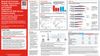 November 2025 in “SKIN The Journal of Cutaneous Medicine”
 Baricitinib helps regrow scalp, eyebrow, and eyelash hair in teens with severe alopecia areata.
 9 citations
,
April 2021 in “Expert opinion on pharmacotherapy”
9 citations
,
April 2021 in “Expert opinion on pharmacotherapy” Clascoterone is a new, effective, and safe acne treatment without systemic side effects.
 November 2024 in “Benha Journal of Applied Sciences”
 Reduced alpha smooth muscle actin may cause hair loss in androgenetic alopecia.
 April 2023 in “Journal of Investigative Dermatology”
 Acne patients have higher skin mTORC1 activity, which is reduced by isotretinoin treatment.
 January 2024 in “Wiadomości Lekarskie”
 The ABI1 gene contributes to prostate cancer progression and treatment resistance.
 April 2026 in “Zenodo (CERN European Organization for Nuclear Research)”
 The model improves understanding of androgen interactions by focusing on signal intensity and system capacity.
 1 citations
,
September 2023
1 citations
,
September 2023 AMT® shows promise as a safe and effective treatment for early-stage knee osteoarthritis.
 17 citations
,
August 2015 in “Journal of steroid biochemistry and molecular biology/The Journal of steroid biochemistry and molecular biology”
17 citations
,
August 2015 in “Journal of steroid biochemistry and molecular biology/The Journal of steroid biochemistry and molecular biology” The study found that urine metabolites M1b or M4 are the best indicators of ATD use in horses, with detection possible up to 77 hours in urine and 28 hours in blood.
3 citations
,
July 2025 in “Clinical and Experimental Dermatology” Ritlecitinib may be more effective for severe alopecia areata than conventional treatments.
11 citations
,
May 2012 in “Genesis” Bmpr2 and Acvr2a receptors are crucial for hair retention and color.
 10 citations
,
July 2022 in “Journal of Medicinal Chemistry”
10 citations
,
July 2022 in “Journal of Medicinal Chemistry” Adding a second method to PROTACs could improve cancer treatment.
8 citations
,
January 2017 in “Journal of Biological Chemistry” Astrotactin-2 is cleaved in a specific way that helps understand its maturation.
 6 citations
,
March 2019 in “JAAD case reports”
6 citations
,
March 2019 in “JAAD case reports” A new mix of anthralin and calcipotriene might help treat severe hair loss.
 25 citations
,
November 2022 in “British journal of dermatology/British journal of dermatology, Supplement”
25 citations
,
November 2022 in “British journal of dermatology/British journal of dermatology, Supplement” Baricitinib for severe alopecia areata is generally safe, with common side effects like infections and acne, and low rates of serious complications.
 222 citations
,
September 2016 in “JCI insight”
222 citations
,
September 2016 in “JCI insight” Tofacitinib is safe and effective for severe alopecia areata, but hair loss may return 2 months after stopping treatment.
30 citations
,
June 2000 in “Journal of dermatological science” Human keratinocytes do not naturally respond to androgens.
 February 2025 in “PubMed”
 CS12192 effectively treats alopecia areata with better safety than current options.
 11 citations
,
January 2018 in “Acta dermato-venereologica”
11 citations
,
January 2018 in “Acta dermato-venereologica” Tofacitinib works better and is more tolerable for severe alopecia than conventional treatments and DPCP immunotherapy.
 July 2012 in “European journal of cancer”
 MPA increases cancer spread by boosting Eph A2 activity.
 6 citations
,
July 2022 in “Journal of health economics and outcomes research”
6 citations
,
July 2022 in “Journal of health economics and outcomes research” Adolescents with severe alopecia incur significantly higher healthcare costs.
 33 citations
,
January 2009 in “Contraception”
33 citations
,
January 2009 in “Contraception” Chlormadinone acetate is a strong, well-tolerated hormone used in birth control and hormone therapy with benefits for menstrual pain and skin conditions.
 May 2023 in “International Journal of Trichology”
 Tofacitinib may be an effective and safe treatment for hair loss in teenagers with alopecia areata.
 17 citations
,
February 2019 in “Journal of steroid biochemistry and molecular biology/The Journal of steroid biochemistry and molecular biology”
17 citations
,
February 2019 in “Journal of steroid biochemistry and molecular biology/The Journal of steroid biochemistry and molecular biology” AKR1D1 controls glucocorticoid levels and receptor activity in liver cells.