 December 2016 in “Journal of Evolution of Medical and Dental Sciences”
 Chronic Acrodermatitis Enteropathica can persist into adulthood and requires careful zinc treatment.
 October 2025 in “Journal of Molecular Structure”
 Hyaluronic acid microneedles help deliver minoxidil derivatives effectively for hair regrowth.
3 citations
,
May 2025 in “Plant Cell & Environment” CLE14 peptide promotes root hair growth in Arabidopsis.
7 citations
,
December 2022 in “Skin Appendage Disorders” Certolizumab effectively treats psoriasis and psoriatic arthritis with fewer side effects than adalimumab.
Certain biomarkers can help distinguish between irritant and allergic contact dermatitis.
2 citations
,
May 2023 in “Indian Journal of Dermatology Venereology and Leprology” A new genetic mutation in the CAST gene may link PLACK syndrome to alopecia areata.
1 citations
,
June 2006 in “Experimental dermatology” Acetylcholine receptors might be involved in the development of acne inversa and smoking could worsen the condition.
 February 2025 in “Prospects in Pharmaceutical Sciences”
 Clascoterone is a promising topical treatment for hair loss and acne with fewer side effects.
Dexmedetomidine-loaded microneedles effectively reduce pain without sedation.
 2 citations
,
July 2023 in “Journal of cosmetic dermatology”
2 citations
,
July 2023 in “Journal of cosmetic dermatology” JAK inhibitors are more effective and safer for treating alopecia areata than dupilumab and apremilast.
 April 2024 in “Clinical and experimental dermatology”
 Tofacitinib is effective for severe alopecia areata, similar to oral betamethasone.
 August 2018 in “Journal of The American Academy of Dermatology”
 A 16-year-old girl's skin rash was likely caused by an infection and improved with topical steroids.
November 2025 in “The Journal of Dermatology” Nemolizumab improved both severe atopic dermatitis and alopecia areata in one patient.
 142 citations
,
March 2019 in “Frontiers in Cellular Neuroscience”
142 citations
,
March 2019 in “Frontiers in Cellular Neuroscience” The document concludes that adenosine receptor agonists have potential for treating various conditions, but only a few are approved due to challenges like side effects and the need for selective activation.
1 citations
,
December 2007 in “Journal of Microbiology and Biotechnology” Minoxidil in triamino alpha-cyclodextrin promotes hair growth effectively.
November 2022 in “Frontiers in pediatrics” A girl with skin rashes and low zinc levels improved with zinc supplements and had new gene mutations linked to her condition.
 43 citations
,
September 2014 in “Molecular Plant”
43 citations
,
September 2014 in “Molecular Plant” CLE40 and CRN/CLV2 pathways have opposite effects on root growth in Arabidopsis.
 September 2025 in “Tạp chí Da liễu học Việt Nam”
 2.5 mg/mL TAC is as effective and safe as 5 mg/mL, but 5 mg/mL may improve hair regrowth and density more.
 January 2024 in “Archives of Biological Sciences (Beograd)”
 AP collagen peptides may help hair grow better and become stronger.
1 citations
,
January 2022 in “Journal of Cancer Therapy” Ocoxin improves quality of life for advanced ovarian cancer patients on chemotherapy.
5 citations
,
March 2021 in “F1000Research” A specific gene variation increases the risk of high uric acid and cholesterol in young Mexican males.
 245 citations
,
January 1998 in “Genes & Development”
245 citations
,
January 1998 in “Genes & Development” Hoxc13 gene is essential for hair, nail, and papilla development.
 100 citations
,
May 2011 in “Journal of Pediatric and Adolescent Gynecology”
100 citations
,
May 2011 in “Journal of Pediatric and Adolescent Gynecology” The document concludes that proper diagnosis and a multidisciplinary approach are crucial for managing Congenital Adrenal Hyperplasia effectively.
85 citations
,
November 2004 in “Journal of the American Academy of Dermatology” The 308-nm excimer laser helps hair regrowth in some alopecia areata cases but not all.
5 citations
,
April 2019 in “Veterinary Dermatology” Cats infested with Lynxacarus radovskyi can lose hair without inflammation, treatable with selamectin.
 June 2023 in “British Journal of Dermatology”
 The prototype for analyzing skin aging works technically and clinically.
88 citations
,
January 2001 in “Dermatology” EE/CMA is more effective than EE/LNG in reducing acne.
 July 2024 in “JAAD Case Reports”
 Corticosteroid injections for hair loss may cause eye problems, so caution is needed.
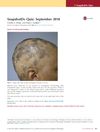 August 2018 in “Journal of Investigative Dermatology”
 Tofacitinib may help regrow hair in alopecia areata patients.
February 2009 in “Journal of the American Academy of Dermatology” Both skin products were equally effective in improving facial discoloration and skin quality.