January 2026 in “Open MIND” Targeting the PIEZO1 and MLCK axis may offer a new treatment for hair loss.
2 citations
,
September 2017 in “Journal of Investigative Dermatology” Notch1 signaling is impaired in hidradenitis suppurativa, affecting skin and hair cells.
3 citations
,
February 1983 in “Journal of Investigative Dermatology” Hair plucking quickly increases antizyme, reducing a specific enzyme activity in rats.
3 citations
,
July 2019 in “Fibers And Polymers/Fibers and polymers”  February 2025 in “PubMed”
 CS12192 effectively treats alopecia areata with better safety than current options.
3 citations
,
May 2023 in “Pediatric Dermatology” A 9-year-old boy had a rare scalp condition usually seen in young men.
 1 citations
,
September 2023 in “British journal of dermatology/British journal of dermatology, Supplement”
1 citations
,
September 2023 in “British journal of dermatology/British journal of dermatology, Supplement” WNT10A gene mutations cause short anagen hair syndrome.
 August 2016 in “Journal of Investigative Dermatology” 12 citations
,
January 1994 in “Dermatology”
August 2016 in “Journal of Investigative Dermatology” 12 citations
,
January 1994 in “Dermatology” The patient's hair had unique damage and a lower sulfur-to-nitrogen ratio compared to relatives, but not compared to healthy controls.
158 citations
,
December 2002 in “Development” Msx2-deficient mice experience irregular hair growth and loss due to disrupted hair cycle phases.
June 2025 in “British Journal of Dermatology” Nail abnormalities in children can indicate deeper health issues.
 September 2023 in “Skin Research and Technology”
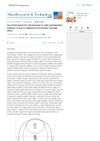
 The paper suggests a way to diagnose male hair loss and check treatment results using a dermoscope at four specific scalp points.
15 citations
,
August 2019 in “F1000Research” CMG2 and TEM8 receptors have distinct roles in skin and growth disorders, affecting collagen breakdown and growth.
 131 citations
,
March 2004 in “The American journal of pathology”
131 citations
,
March 2004 in “The American journal of pathology” Modulating BMP activity changes the number, size, shape, and type of ectodermal organs.
July 2024 in “Journal of Investigative Dermatology” OR101 may effectively treat atopic dermatitis and similar skin conditions.
 January 2024 in “bioRxiv (Cold Spring Harbor Laboratory)”
 The gene Ascl4 is not necessary for the development of hair, teeth, or mammary glands.
 3 citations
,
June 1998 in “Dermatologic Surgery”
3 citations
,
June 1998 in “Dermatologic Surgery” New instruments were introduced to make hair transplantation surgery more precise and improve graft survival.
 September 2016 in “Journal of Dermatological Science”
 Wnt-10b is important for keeping mouse skin cells healthy for hair growth.
 44 citations
,
May 1980 in “Archives of Dermatology”
44 citations
,
May 1980 in “Archives of Dermatology” "20-nail dystrophy" can have multiple causes.
 February 2026 in “Indian Journal of Dermatology”
 Upadacitinib may effectively treat twenty-nail dystrophy without causing pain.
9 citations
,
March 2005 in “International Journal of Cosmetic Science” The torsional method effectively evaluates hair damage and the performance of hair care ingredients.
January 2026 in “Dermatologic Therapy” Pinus massoniana needles extract may help treat hair loss by promoting hair growth and reducing oxidative stress.
Trichorrhexis nodosa causes hair to break easily, often affecting young to middle-aged black women.
3 citations
,
January 2018 in “Skin Appendage Disorders” Nail issues are common in alopecia areata patients.
May 2025 in “OPAL (Open@LaTrobe) (La Trobe University)” Linoleic acid and magnesium are key in alopecia areata progression, and tofacitinib can help by affecting their pathway.
May 2025 in “OPAL (Open@LaTrobe) (La Trobe University)” Linoleic acid and magnesium are key in alopecia areata progression, and tofacitinib can help by affecting their pathway.
May 2026 in “Journal of Dermatological Science” Collagen XVIIα1 decline causes skin and hair aging.
16 citations
,
September 2015 in “International Journal of Molecular Sciences” A specific gene variant causes severe skin issues and increases infection risk, requiring careful medical monitoring.
 April 2024 in “JEADV. Journal of the European Academy of Dermatology and Venereology/Journal of the European Academy of Dermatology and Venereology”
 A new change in the WNT10A gene caused a condition leading to short hair growth in a Chinese family.