October 2022 in “Dermatologic Therapy” Both treatments for resistant alopecia areata were equally effective.
 November 2023 in “The journal of investigative dermatology/Journal of investigative dermatology”
 Adipose stem cell exosomes can effectively reduce facial redness and improve skin health in atopic dermatitis patients.
27 citations
,
June 2017 in “Expert opinion on investigational drugs” New anti-acne medications are being tested to offer alternatives to current treatments.
May 2018 in “Dermatologic Surgery”  7 citations
,
September 2017 in “Pharmacoepidemiology and Drug Safety”
7 citations
,
September 2017 in “Pharmacoepidemiology and Drug Safety” The use of Diane-35 and its generics significantly decreased in the Netherlands.
July 2025 in “Journal of Investigative Dermatology” TRIV-509 quickly improves skin barrier and cell health in atopic dermatitis.
 April 2012 in “Journal of the American Academy of Dermatology”
 Clofazimine may be effective for treating ashy dermatosis.
 1 citations
,
January 2024 in “Curēus”
1 citations
,
January 2024 in “Curēus” Upadacitinib significantly improved a man's severe scalp condition when other treatments failed.
 January 2024 in “Journal of dermatology and skin science”
 Topical aprepitant reduces skin rash and hair loss caused by cancer treatment.
1 citations
,
August 2024 in “Skin Health and Disease” Topical immunotherapy with DPCP led to some hair regrowth in most pediatric alopecia areata patients, especially those with milder cases and longer treatment.
 April 2018 in “The journal of investigative dermatology/Journal of investigative dermatology”
 Samcyprone ointment is effective for treating common warts if a sensitization reaction occurs first.
20 citations
,
June 2019 in “Archives of dermatological research” Combining DPCP and anthralin helps regrow hair in some alopecia areata patients.
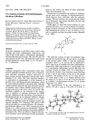 December 1998 in “Acta Crystallographica Section C-crystal Structure Communications”
 A new compound with strong antiandrogenic effects was found, potentially useful for treating conditions like acne and prostate cancer.
 42 citations
,
November 2018 in “Archives of dermatological research”
42 citations
,
November 2018 in “Archives of dermatological research” Apremilast was not effective in treating moderate-to-severe alopecia areata.
September 1998 in “JEADV. Journal of the European Academy of Dermatology and Venereology/Journal of the European Academy of Dermatology and Venereology” Intermittent isotretinoin can cause various skin, hair, and nail changes.
 March 2025 in “Canadian dermatology today.”
 Clascoterone cream 1% is effective and well-tolerated for treating acne and other related conditions.
 2 citations
,
May 2012 in “Indian drugs”
2 citations
,
May 2012 in “Indian drugs” Finasteride, a hair loss treatment, works better and is more stable when delivered through specially prepared gels, leading to increased hair growth.

Cyproterone acetate with ethynyl estradiol significantly improved acne and seborrhea in women, but was less effective for hair loss and excessive hair growth.
2 citations
,
May 2025 in “Journal of Clinical Medicine” Upadacitinib is safe and effective for treating alopecia areata and atopic dermatitis in children.
39 citations
,
January 1977 in “Dermatology” The treatment cleared psoriasis in some patients but caused side effects in most.
5 citations
,
December 2023 in “Clinical Case Reports” Adalimumab effectively stabilized severe folliculitis decalvans, preventing further hair loss and inflammation.
 October 2023 in “Applied materials today”
 New treatment for hair loss using special microneedles shows promise in reducing inflammation and promoting hair growth.
2 citations
,
January 1999 in “Dermatology” 87 citations
,
March 2013 in “Expert Review of Anticancer Therapy” Afatinib often causes skin problems that need proactive management.
18 citations
,
November 2009 in “Archives of Dermatology” Calcipotriol doesn't prevent hypertrophic scars, but keratinocyte activation is important in scar formation.
 February 2026 in “Reports — Medical Cases Images and Videos”
 Upadacitinib may help regrow hair in children with alopecia areata and is generally safe.
 2 citations
,
January 2014 in “Advanced Biomedical Research”
2 citations
,
January 2014 in “Advanced Biomedical Research” Oral isotretinoin and cyproterone compound are equally effective for treating acne in women with cutaneous hyperandrogenism.
75 citations
,
August 2005 in “Expert Opinion on Pharmacotherapy” Acitretin is effective for certain types of psoriasis, safe for long-term use, and often combined with other treatments.
 2 citations
,
July 2023 in “Journal of cosmetic dermatology”
2 citations
,
July 2023 in “Journal of cosmetic dermatology” JAK inhibitors are more effective and safer for treating alopecia areata than dupilumab and apremilast.
July 2026 in “Journal of the European Academy of Dermatology and Venereology”