July 2025 in “Journal of Investigative Dermatology” Nelfb is essential for dermal fat development and survival.
January 2025 in “Multimedialen Archiv und Publikationsserver der Christian-Albrechts-Universität zu Kiel (Christian-Albrechts-Universität zu Kiel)” Oxidized LDL reduces cell growth but affects stem cell differentiation less negatively than cytokine-induced inflammation.
May 2024 in “International journal of medicine and psychology.” Essential oils might help improve mood and reduce stress.
 April 2024 in “Applied biological chemistry”
 Piperine from black pepper can make hair less oily by blocking fat cell development in hair roots.
 September 2023 in “The FASEB journal”
 Foxn1 is important for fat development, metabolism, and wound healing in skin.
September 2020 in “Research Square (Research Square)” Enhanced stem cells from the placenta can reduce fat buildup in eye tissue for Graves' disease.
 January 2018 in “Hair transplant forum international”
 Nutrafol might help reduce hair loss due to inflammation, but more evidence is needed.
 67 citations
,
May 2018 in “Journal of Ginseng Research”
67 citations
,
May 2018 in “Journal of Ginseng Research” Red ginseng may improve immunity, fatigue, memory, blood circulation, and menopausal symptoms, and is generally safe to consume.
 1 citations
,
January 2016 in “International journal of research in ayurveda and pharmacy”
1 citations
,
January 2016 in “International journal of research in ayurveda and pharmacy” The study found that a specific combination of five medicinal plants effectively inhibits the fungus that causes dandruff.
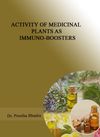
Tridax procumbens may boost the immune system.
 499 citations
,
September 2011 in “Cell”
499 citations
,
September 2011 in “Cell” Fat-related cells are important for initiating hair growth.
 106 citations
,
October 2016 in “Cell Stem Cell”
106 citations
,
October 2016 in “Cell Stem Cell” PDGFA/AKT signaling is important for the growth and maintenance of certain skin fat cells.
 22 citations
,
October 2011 in “Bone”
22 citations
,
October 2011 in “Bone” Androgens affect bone and fat cell development differently based on the cells' embryonic origin.
 18 citations
,
May 2017 in “Experimental Dermatology”
18 citations
,
May 2017 in “Experimental Dermatology” AMT may cause hair loss and changing dWAT activity could help treat it.
 8 citations
,
September 2018 in “Journal of Cosmetic Dermatology”
8 citations
,
September 2018 in “Journal of Cosmetic Dermatology” Lower irisin levels in the blood may indicate more severe acne.
 6 citations
,
April 2010 in “Cellular Reprogramming”
6 citations
,
April 2010 in “Cellular Reprogramming” Pig skin cells can turn into mesodermal cells but lose their ability to become neural cells.
 3 citations
,
January 2023 in “Physiological Research”
3 citations
,
January 2023 in “Physiological Research” Conditioned media from mesenchymal stem cells show promise for tissue repair and disease treatment, but more research is needed on their safety and effectiveness.
 1 citations
,
October 2023 in “bioRxiv (Cold Spring Harbor Laboratory)”
1 citations
,
October 2023 in “bioRxiv (Cold Spring Harbor Laboratory)” Printing human stem cells and a special matrix during surgery can help grow new skin and hair-like structures in rats.
 1 citations
,
November 2015
1 citations
,
November 2015 Dental pulp stem cells might not reliably become neurons.
 December 2023 in “International journal of high dilution research”
 Melatonin and Lissotriton improved hair quality and increased activity in mice.
 118 citations
,
July 2005 in “Journal of Ethnopharmacology”
118 citations
,
July 2005 in “Journal of Ethnopharmacology” Eclipta alba extract improved learning, memory, and stress-related ulcers in rats without affecting movement or causing anxiety.
 32 citations
,
January 2021 in “Molecules”
32 citations
,
January 2021 in “Molecules” Some Middle Eastern plants may help treat diabetes and could be alternatives to current drugs, but more research is needed.
 25 citations
,
March 2018 in “Clinics in Dermatology”
25 citations
,
March 2018 in “Clinics in Dermatology” Indigenous herbal medicines in the Indian subcontinent have potential for drug development but need more research and standardization.
 6 citations
,
October 2017
6 citations
,
October 2017 Indian Gooseberry has potential for cancer prevention and treatment and promotes hair growth.
 5 citations
,
May 2025 in “Scientific Reports”
5 citations
,
May 2025 in “Scientific Reports” Phyllanthus emblica leaves show potential for developing new antimalarial drugs with low toxicity.
 3 citations
,
January 2018
3 citations
,
January 2018 Amla oil may help treat hair loss.
 1 citations
,
October 2023 in “International Journal of Ayurvedic Medicine”
1 citations
,
October 2023 in “International Journal of Ayurvedic Medicine” Rasayana therapy can enhance female reproductive health at different life stages.
 1 citations
,
January 2017 in “Social Science Research Network”
1 citations
,
January 2017 in “Social Science Research Network” The document suggests creating a secure database for indigenous knowledge and recommends that the TKDL actively fight patents that slightly alter traditional knowledge.
 1 citations
,
July 2016 in “International Journal of Research in Ayurveda and Pharmacy”
1 citations
,
July 2016 in “International Journal of Research in Ayurveda and Pharmacy” An educational package was created to teach people about lesser-known herbal medicines in India.
 June 2026 in “International Journal of Drug Delivery Technology”
 The herbal hair oil is safe and may promote hair growth.