 77 citations
,
July 2012 in “Journal of Investigative Dermatology”
77 citations
,
July 2012 in “Journal of Investigative Dermatology” Wnt10b overexpression can regenerate hair follicles, possibly helping treat hair loss and alopecia.
 January 2021 in “Case Reports”
 A 71-year-old woman developed male-like features due to high testosterone levels caused by a benign ovarian tumor, which was successfully removed by surgery.
 1 citations
,
December 2020 in “Medicinskij alfavit”
1 citations
,
December 2020 in “Medicinskij alfavit” Telogen effluvium is a condition that causes temporary hair loss.
83 citations
,
September 1993 in “Endocrinology and Metabolism Clinics of North America” 6 citations
,
January 2017 in “JOURNAL OF CLINICAL AND DIAGNOSTIC RESEARCH” A rare hair follicle tumor was found on a woman's vulva.
June 2025 in “Histopathology” Epithelial elements in superficial angiomyxomas are non-neoplastic growths mimicking embryogenesis.
 1 citations
,
March 2021 in “Dermatological reviews”
1 citations
,
March 2021 in “Dermatological reviews” AGA, a common hair loss, is caused by genetics, hormones, age, and environmental factors.
 April 2023 in “Journal of Investigative Dermatology”
 The research found that a protein called PPARg is important for the formation and healing of sebaceous glands, which can regenerate independently from hair follicles.
21 citations
,
January 1999 in “Endocrine”  January 2012 in “Journal of Cosmetics, Dermatological Sciences and Applications”
 The document concluded that certain clinical signs and hair growth tests help diagnose Short Anagen Syndrome.
 1 citations
,
August 2024 in “Transgenic Research”
1 citations
,
August 2024 in “Transgenic Research” Activated β-catenin affects hair growth and skin thickness, and changes are reversible.
 February 2026 in “Zenodo (CERN European Organization for Nuclear Research)”
 New treatments for androgenetic alopecia are emerging, improving hair loss management.
 January 2014 in “Springer eBooks”
 Chronic telogen effluvium is a condition where there is prolonged shedding of hair.
 305 citations
,
February 2007 in “Hormone and metabolic research”
305 citations
,
February 2007 in “Hormone and metabolic research” Human skin makes sexual hormones that affect hair growth, skin health, and healing; too much can cause acne and hair loss, while treatments can manage these conditions.
 March 2019 in “Chinese Journal of Dermatology”
 Hair loss, known as androgenetic alopecia, is mainly caused by genetics, but also by hormone imbalances, shrinking hair follicles, inflammation, and environmental factors.
 2 citations
,
October 2017 in “Revista Da Associacao Medica Brasileira”
2 citations
,
October 2017 in “Revista Da Associacao Medica Brasileira” Removing p16INK4a from skin cells can lead to faster and more clumped growth, which might help with hair growth.
 43 citations
,
December 2008 in “Molecular biology of the cell”
43 citations
,
December 2008 in “Molecular biology of the cell” Disrupting Smad4 in mouse skin causes early hair follicle stem cell activity that leads to their eventual depletion.
January 1995 in “Revista de arqueología” 1 alpha,25-dihydroxy-vitamin D3 and calcipotriol speed up cell differentiation in hair follicles.
 14 citations
,
October 2019 in “Journal of Cellular Physiology”
14 citations
,
October 2019 in “Journal of Cellular Physiology” Micrografts promote hair growth in androgenetic alopecia treatment.
 February 2026 in “Zenodo (CERN European Organization for Nuclear Research)”
 New treatments for androgenetic alopecia are emerging, improving options for managing hair loss.
 June 2024 in “British Journal of Dermatology”
 Hidradenitis suppurativa has had many names, but its naming is still not agreed upon.
 13 citations
,
May 1993 in “International Journal of Dermatology”
13 citations
,
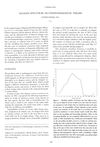
May 1993 in “International Journal of Dermatology” The paper suggests that telogen effluvium, a type of hair loss, may be a long-lasting condition triggered by stress or illness in people whose hair growth is unusually synchronized.
289 citations
,
May 2003 in “Journal of Investigative Dermatology” Human skin can produce steroids from cholesterol.

Padina arborescens and its component MOGG may help prevent hair loss through several actions, including blocking a hair loss-related enzyme.
 80 citations
,
January 1995 in “The American Journal of Medicine”
80 citations
,
January 1995 in “The American Journal of Medicine” Hair loss in androgenetic alopecia is caused by genetic factors and androgen excess, and can be treated with combined therapies.
October 2025 in “Journal of the Endocrine Society” A rare pituitary tumor in an 18-year-old male caused hormonal issues and vision loss, requiring surgery and further treatment.
 November 2021 in “CRC Press eBooks”
 Telogen effluvium is a common, temporary hair loss condition often affecting young women.
5 citations
,
November 2003 in “Biomedical Papers of the Faculty of Medicine of Palacký University, Olomouc Czech Republic” The exact causes of baldness are not fully understood, limiting treatment options.
14 citations
,
June 2012 in “Stem Cells” TACE/ADAM17 is essential for maintaining healthy hair and hair follicle stem cells.
 1 citations
,
May 2017 in “InTech eBooks”
1 citations
,
May 2017 in “InTech eBooks” Hair loss in Androgenetic alopecia (AGA) is due to altered cell sensitivity to hormones, not increased hormone levels. Hair growth periods shorten over time, causing hair to become thinner and shorter. This is linked to miscommunication between cell pathways in hair follicles. There's also a change in gene expression related to blood vessels and cell growth in balding hair follicles. The exact molecular causes of AGA are still unclear.