Search
for
Sort by
Research
750-780 / 1000+ results
research Essential Oil and Important Activities ofThuja orientalisandThuja occidentalis
Thuja orientalis and Thuja occidentalis essential oils have medicinal properties useful for developing treatments with antimicrobial and bioactive effects.
research Preparation, solubility, and anti-inflammatory effects of a complex of diphenylcyclopropenone/β-cyclodextrin derivatives as the treatment of alopecia areata
The DPCP/HPβCD complex improves solubility and anti-inflammatory effects for alopecia areata treatment.
research Autonomous, Moisture‐Driven Flexible Electrogenerative Dressing for Enhanced Wound Healing
The dressing speeds up wound healing by 41% using moisture-generated electricity and antibacterial properties.
research Hemiagenesis of the thyroid gland detected by coincidence—what is the clinical relevance?
THA is a rare condition with no significant clinical consequences if thyroid function is normal.
research Eclipta alba (Family: Asteraceae): A review of botanical, ethnopharmacological, phytochemical and pharmacological studies
Eclipta alba shows promise for medicinal use but needs more research.
research Assessment of Vitamin D Level in Patients of Alopecia Areata
Low vitamin D levels are common in people with Alopecia Areata.
research Case of intractable ophiasis type of alopecia areata presumably improved by fexofenadine
Fexofenadine may help treat a difficult type of hair loss.
research Arsenic Trioxide as Effective Therapy for Relapsed Acute Promyelocytic Leukemia
Arsenic trioxide effectively treats relapsed acute promyelocytic leukemia with manageable side effects.
research Tannic acid and silicate-functionalized polyvinyl alcohol–hyaluronic acid hydrogel for infected diabetic wound healing
The hydrogel helps heal diabetic wounds by reducing infection and inflammation.
research Alopecia areata mit gutem Ansprechen auf Tofacitinib
Tofacitinib helped regrow hair in a woman with alopecia areata.
research LATERALIZAÇÃO DO NERVO ALVEOLAR INFERIOR COMO ALTERNATIVA A INSTALAÇÃO DE IMPLANTES OSSEOINTEGRADOS NA REGIÃO POSTERIOR DA MANDÍBULA

research Alopecia Areata
Alopecia Areata is an autoimmune disease causing hair loss in patches, often starting before age 20, and while some cases recover on their own, treatments include topical corticosteroids, minoxidil, and promising new methods like IL-31 antibodies and 308-nm Excimer laser therapy.
research Ritlecitinib Efficacy in Adolescents With Alopecia Areata: A Real‐World Experience
Ritlecitinib shows promise in improving hair regrowth in adolescents with alopecia areata.
research 26143 Time to scalp hair, eyebrow, and eyelash improvement in patients with alopecia areata treated with baricitinib in the phase 2 portion of the phase 2/3 BRAVE-AA1 study
Baricitinib helped improve hair, eyebrow, and eyelash growth in alopecia areata patients.

research Uji Iritasi dan Aktivitas Penumbuh Rambut Hair Tonic dari Tanaman Usada Bali pada Mencit
The hair tonic from Usada Bali plants increased hair growth without irritating the skin.
research CLINICAL EXPERIENCE OF USING ANGELICA DAHURICA FOR ANDROGENIC ALOPECIA
Angelica Dahurica extract helps reduce hair loss and improve hair growth and scalp condition.
research Alopecia areata defeated by a single dose of natrum Mur at Dr. Batra’s
Natrum muriaticum may help reverse alopecia areata and improve well-being.
research A CASE-CONTROL STUDY TO ASSESS THE ASSOCIATION OF ALOPECIA AREATA WITH THYROID DYSFUNCTION AND THYROID AUTOIMMUNITY
People with alopecia areata are more likely to have thyroid autoimmunity, but not thyroid disease.
research The Antiandrogens

research ER-located Ca2+ ATPase ACA2 regulates Ca2+ cytoplasmic pool linked to root hair growth in Arabidopsis thaliana
ACA2 is crucial for root hair growth by controlling calcium levels in cells.
research Topical immunotherapy in alopecia areata
Topical immunotherapy, especially with DPCP, is effective for treating severe alopecia areata.
research Adjunctive Approaches for Androgenetic Alopecia: A Clinical Review of Nutritional, Light-Based, Topical, and Lifestyle Interventions
A holistic approach, including diet and stress management, may improve androgenetic alopecia treatment outcomes.
research Thionamide-Responsive Alopecia Areata in a 11 Year Girl
An 11-year-old girl's hair regrew after treating her thyroid condition with carbimazole.
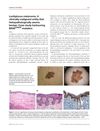
research Lentiginous melanoma. A clinically malignant entity that histopathologically seems benign. Case study harbouring BRAF V 600R mutation
A clinically suspected melanoma appeared benign under the microscope but was confirmed by specific tests and a rare mutation.
research Human T‐lymphotropic virus 1 (HTLV‐1)‐associated lichenoid dermatitis induced by CD8+ T cells in HTLV‐1 carrier, HTLV‐1‐associated myelopathy/tropical spastic paraparesis and adult T‐cell leukemia/lymphoma
HTLV-1-associated lichenoid dermatitis (HALD) is linked to an immune response against HTLV-1-infected cells.
research Hapten‐induced lymphadenosis benigna cutis secondary to squaric acid dibutylester sensitization for alopecia areata
Squaric acid dibutylester for alopecia areata can cause benign skin lymphoid growths.
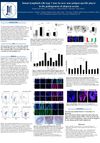
research Innate lymphoid cells type 1 may be new, non-antigen-specific player in the pathogenesis of alopecia areata
Innate lymphoid cells type 1 may contribute to alopecia areata by damaging hair follicles.
research Regrowth of hair in congenital triangular alopecia induced by sublingual minoxidil
Sublingual minoxidil helped regrow hair in a person with congenital triangular alopecia.
research Diffuse Alopecia Areata
Diffuse alopecia areata causes widespread hair thinning due to an autoimmune response.