 6 citations
,
January 2010 in “Neoplasma”
6 citations
,
January 2010 in “Neoplasma” Certain gene patterns in breast cancer are linked to how active hormone receptors are and could affect patient survival.
 6 citations
,
September 2005 in “Expert Opinion on Pharmacotherapy”
6 citations
,
September 2005 in “Expert Opinion on Pharmacotherapy” Androgen therapy can help with symptoms like low libido in women, but more research is needed to understand its long-term safety and effects on health.
 1 citations
,
December 1992 in “International Journal of Dermatology”
1 citations
,
December 1992 in “International Journal of Dermatology” No significant hormone differences found in postmenopausal women with androgenetic alopecia.
 1 citations
,
September 2018 in “Australasian Journal of Dermatology”
1 citations
,
September 2018 in “Australasian Journal of Dermatology” A boy with GAPO syndrome had hair loss similar to male pattern baldness without hormone issues, possibly due to skin or blood vessel problems.
 October 2025 in “Scientific Reports”
 AR gene variations don't affect aging markers in men.
 November 2024 in “Benha Journal of Applied Sciences”
 Reduced alpha smooth muscle actin may cause hair loss in androgenetic alopecia.
 November 2020 in “Elsevier eBooks”
 Antiandrogens and androgen inhibitors like spironolactone, finasteride, and dutasteride can treat hair loss and skin conditions, but they have risks and side effects, including potential harm to pregnant women and risks of cancer and heart issues. Herbal remedies also have antiandrogenic effects but lack safety validation.
 January 2016 in “Journal of SAFOG”
 Girls with PCOS and menstrual disorders have notably higher androgen hormone levels.
 December 2015 in “University of Birmingham Institutional Research Archive (University of Birmingham)”
 AKR1C3 could be a treatment target for metabolic issues in PCOS.

Hormonal treatments can help with hair loss, acne, and excess hair growth, but it takes 3-6 months to see results and patients should know the possible side effects.
Women with androgenetic alopecia (hair loss) have normal prostate specific antigen levels but higher testosterone levels.
Topical minoxidil helps treat hair loss in teens, but more research needed for safe options.
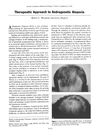 November 1999 in “Journal of Cutaneous Medicine and Surgery”
 Treatments for hair loss include hormone modifiers, minoxidil, and hair transplant surgery.
 151 citations
,
August 2010 in “British Journal of Dermatology”
151 citations
,
August 2010 in “British Journal of Dermatology” Guidelines for diagnosing common hair loss include detailed history, clinical examination, and various diagnostic techniques.
 29 citations
,
July 2009 in “BJU international”
29 citations
,
July 2009 in “BJU international” Blocking DHT production more strongly may help control advanced prostate cancer and improve quality of life.
 December 2025 in “IP Indian Journal of Clinical and Experimental Dermatology”
 Androgenetic alopecia treatments are becoming more personalized and include new therapies like topical antiandrogens and regenerative strategies.
 57 citations
,
August 1995 in “British Journal of Dermatology”
57 citations
,
August 1995 in “British Journal of Dermatology” Acne severity is linked to higher levels of certain androgenic hormones, even when those levels are within the normal range.
 16 citations
,
January 2000 in “The Journal of clinical endocrinology and metabolism/Journal of clinical endocrinology & metabolism”
16 citations
,
January 2000 in “The Journal of clinical endocrinology and metabolism/Journal of clinical endocrinology & metabolism” Antiandrogen drugs can reduce PSA levels in women with excess hair, suggesting PSA is a sign of male hormone activity in women.
 2 citations
,
October 2022 in “Frontiers in genetics”
2 citations
,
October 2022 in “Frontiers in genetics” Late diagnosis of congenital adrenal hyperplasia can greatly affect physical development, gender identity, and sexual health.
 1 citations
,
March 2021 in “Dermatological reviews”
1 citations
,
March 2021 in “Dermatological reviews” AGA, a common hair loss, is caused by genetics, hormones, age, and environmental factors.
 October 2025 in “Clinical Cosmetic and Investigational Dermatology”
 Experts created guidelines for treating hair loss in Egypt, focusing on personalized care.
 209 citations
,
September 2008 in “Dermatologic Therapy”
209 citations
,
September 2008 in “Dermatologic Therapy” Androgens can both increase and decrease hair growth in different parts of the body.
 186 citations
,
July 1998 in “Journal of Cutaneous Medicine and Surgery”
186 citations
,
July 1998 in “Journal of Cutaneous Medicine and Surgery” Shorter CAG repeats may cause hair and skin issues, while longer ones may link to acne.
 182 citations
,
June 2002 in “Journal of Neuroscience”
182 citations
,
June 2002 in “Journal of Neuroscience” Androgens can help prevent memory problems caused by apoE4.
 157 citations
,
April 1994 in “Clinical endocrinology”
157 citations
,
April 1994 in “Clinical endocrinology” Androgens can cause hair growth in some areas and hair loss on the scalp.
 155 citations
,
December 2003 in “British Journal of Dermatology”
155 citations
,
December 2003 in “British Journal of Dermatology” Hair loss increases with age; alcohol raises risk, more female partners lowers it.
 153 citations
,
March 2017 in “Endocrine”
153 citations
,
March 2017 in “Endocrine” Male pattern baldness involves genetics, hormones, and needs better treatments.
 135 citations
,
March 1984 in “Fertility and sterility”
135 citations
,
March 1984 in “Fertility and sterility” Higher levels of unbound testosterone are linked to increased insulin resistance, especially in women with polycystic ovary syndrome.
 116 citations
,
September 2001 in “Journal of The American Academy of Dermatology”
116 citations
,
September 2001 in “Journal of The American Academy of Dermatology” Hair loss occurs due to fewer papillary cells, smaller follicles, and shorter growth phases.
 103 citations
,
June 2007 in “Endocrinology and Metabolism Clinics of North America”
103 citations
,
June 2007 in “Endocrinology and Metabolism Clinics of North America” Male pattern hair loss is genetic and influenced by hormones, with treatments like minoxidil and surgery available.