 4 citations
,
January 2018 in “Elsevier eBooks”
4 citations
,
January 2018 in “Elsevier eBooks” Hormones are crucial for regulating body functions and imbalances can lead to health issues.
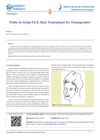
A hair transplant using hair from the back of the head and pubic area was successful in creating a feminine hairline for a male-to-female transgender person.
 January 2017 in “Elsevier eBooks”
 Stress and hormones like progesterone can affect absence seizures, but their effects change with different life stages.
 July 2025 in “Australasian Journal of Plastic Surgery”
 A precise incision technique reduces hair loss and scarring on the scalp.
 February 2024 in “Curēus”
 Regional nerve blocks are better than ring blocks for pain relief during PRP hair treatment.
The document is a detailed guide on skin conditions and treatments for dermatologists.
 January 2019 in “Springer eBooks”
 Acne can appear or persist in adulthood due to hormonal changes, external factors, or substance use, and requires appropriate treatment.
 March 2018 in “Journal of Pakistan Association of Dermatology”
 Vibration anesthesia effectively reduces pain during hair restoration surgery.
 February 2010 in “Acta Obstetricia et Gynecologica Scandinavica”
 The issue covers reproductive health topics like cancer markers, incontinence treatments, and the impact of pre-term birth.
 47 citations
,
December 2000 in “Archives of Dermatological Research”
47 citations
,
December 2000 in “Archives of Dermatological Research” Androgens significantly affect female hair loss, and hormonal treatments may help.
 11 citations
,
July 2014 in “Gene”
11 citations
,
July 2014 in “Gene” The S250C variant in a gene may cause autoimmunity and immunodeficiency by impairing protein function.
 8 citations
,
January 1996 in “Gynecological Endocrinology”
8 citations
,
January 1996 in “Gynecological Endocrinology” Cyproterone acetate is the preferred treatment for women's hyperandrogenism when estrogen/progestogen use is safe.
 7 citations
,
January 2015 in “Case reports in endocrinology”
7 citations
,
January 2015 in “Case reports in endocrinology” The document concludes that HAIR-AN syndrome should be considered when a patient shows severe hyperandrogenism and insulin resistance after excluding tumors.
 7 citations
,
January 1992 in “Adolescent and pediatric gynecology”
7 citations
,
January 1992 in “Adolescent and pediatric gynecology” Early diagnosis and treatment of PCOS in teenagers can help prevent more severe adult PCOS.
 1 citations
,
August 2013 in “Springer eBooks”
1 citations
,
August 2013 in “Springer eBooks” Birth control pills and anti-androgen medications help manage hair growth, acne, and hair loss in women with PCOS.
 September 2024 in “Brazilian Journal of Case Reports”
 Clomiphene testing can help find ovarian causes of high testosterone in postmenopausal women.
 June 2008 in “CRC Press eBooks”
 PCOS may have evolved as an advantage in past environments with food scarcity.
 989 citations
,
August 2007 in “The Lancet”
989 citations
,
August 2007 in “The Lancet” PCOS is a complex condition with major health impacts, needing more research for better diagnosis and treatment.
 947 citations
,
February 2004 in “The Journal of Clinical Endocrinology and Metabolism”
947 citations
,
February 2004 in “The Journal of Clinical Endocrinology and Metabolism” Most women with excess male hormones have Polycystic Ovary Syndrome, and hormonal therapy can improve symptoms but may cause side effects.
 633 citations
,
September 1998 in “The Journal of Clinical Endocrinology and Metabolism”
633 citations
,
September 1998 in “The Journal of Clinical Endocrinology and Metabolism” PCOS affects a similar percentage of Black and White women in the Southeastern United States.
 491 citations
,
July 2000 in “The Journal of Clinical Endocrinology and Metabolism”
491 citations
,
July 2000 in “The Journal of Clinical Endocrinology and Metabolism” Polycystic ovary syndrome is found in 6.5% of unselected Caucasian women in Spain.
 391 citations
,
January 2010 in “Journal of The American Academy of Dermatology”
391 citations
,
January 2010 in “Journal of The American Academy of Dermatology” Half of people with Alopecia Areata may see hair regrowth within a year without treatment, but recovery is unpredictable.
 378 citations
,
September 1998 in “The Journal of Clinical Endocrinology and Metabolism”
378 citations
,
September 1998 in “The Journal of Clinical Endocrinology and Metabolism” PCOS affects about 4% of women in the southeastern U.S. equally across Black and White populations.
 375 citations
,
July 2006 in “Journal of Investigative Dermatology”
375 citations
,
July 2006 in “Journal of Investigative Dermatology” Stress can worsen skin and hair conditions by affecting the skin's immune response and hormone levels.
 374 citations
,
May 2016 in “The Lancet. Diabetes & endocrinology”
374 citations
,
May 2016 in “The Lancet. Diabetes & endocrinology” Cushing's syndrome can cause serious health problems, and early treatment is crucial, but some issues may remain after treatment.
 373 citations
,
September 2009 in “Obstetrics & Gynecology”
373 citations
,
September 2009 in “Obstetrics & Gynecology” The bulletin provides guidelines for diagnosing and managing PCOS, suggesting weight loss, hormonal contraceptives, and diabetes screening, with clomiphene for infertility and various treatments for excess hair.
 305 citations
,
February 2007 in “Hormone and metabolic research”
305 citations
,
February 2007 in “Hormone and metabolic research” Human skin makes sexual hormones that affect hair growth, skin health, and healing; too much can cause acne and hair loss, while treatments can manage these conditions.
 298 citations
,
July 2000 in “The Journal of Clinical Endocrinology and Metabolism”
298 citations
,
July 2000 in “The Journal of Clinical Endocrinology and Metabolism” About 6.5% of young Caucasian women in Spain have polycystic ovary syndrome.
 253 citations
,
March 2006 in “The Journal of Clinical Endocrinology and Metabolism”
253 citations
,
March 2006 in “The Journal of Clinical Endocrinology and Metabolism” Exposure to too much androgen before birth might cause polycystic ovary syndrome later in life.
 251 citations
,
October 2014 in “The Journal of Clinical Endocrinology & Metabolism”
251 citations
,
October 2014 in “The Journal of Clinical Endocrinology & Metabolism” The guidelines advise against using testosterone and DHEA in women for most conditions due to safety and effectiveness concerns, but suggest considering testosterone for postmenopausal women with low sexual desire.