 2 citations
,
April 2018 in “Journal of Cosmetic Dermatology”
2 citations
,
April 2018 in “Journal of Cosmetic Dermatology” Tumescent fluid increases scalp hair angles, which may improve hair transplant results and reduce surgeon fatigue.
2 citations
,
January 1987 in “Acta Agriculturae Scandinavica” Certain chelators lighten mink skin and hair, increase skin elasticity, and disrupt hair growth without affecting fur quality.
 1 citations
,
September 2017 in “Dermatologic Surgery”
1 citations
,
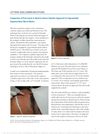
September 2017 in “Dermatologic Surgery” The cephalic approach for nerve blocks is less painful than the anterior approach during hair restoration surgery.
 November 2022 in “Journal of the Endocrine Society”
 Immunotherapy for cancer caused a patient to develop a condition affecting hormone production, requiring ongoing hormone replacement therapy.
 May 2026 in “Journal of Cutaneous and Aesthetic Surgery”
 The new hair restoration technique shows promise for quick, appealing results with minimal recovery time.
 May 2026 in “Nature Communications”
 Targeting catecholaminergic signaling may help treat keloid scars.
 December 2025 in “Frontiers in Immunology”
 Restoring nerve-macrophage communication may help treat autoimmune diseases.

Follicular unit extraction is safe and effective without bupivacaine and nerve blocks when using lignocaine with adrenaline.
 May 2021 in “Clinical Endoscopy”
 Platelet-rich plasma treatment is more effective and cost-efficient than epinephrine for healing bleeding peptic ulcers, with fewer complications and rebleeding cases.
 May 2013 in “Hair transplant forum international”
 A man had hiccups for several days after a hair transplant, likely due to medication or nerve irritation, but they stopped on their own.
 June 2006 in “British Journal of Dermatology”
 Lower adrenal hormone levels may cause hair loss in postmenopausal women, certain patterns help diagnose nail cancer, and a gene variant linked to higher skin cancer risk in kidney transplant patients suggests monitoring folate levels.
October 1933 in “Experimental Biology and Medicine” Epinephrine injections can cause severe skin reactions like hair loss and necrosis.
 62 citations
,
January 2010 in “Hormone research in paediatrics”
62 citations
,
January 2010 in “Hormone research in paediatrics” Genetic screening is crucial for accurately diagnosing APS-1 due to its varied symptoms.
 54 citations
,
February 1993 in “Endocrine reviews”
54 citations
,
February 1993 in “Endocrine reviews” Androgen conjugates might be better indicators of skin sensitivity to hormones in women with excessive hair growth.
 31 citations
,
January 1995 in “The American journal of medicine”
31 citations
,
January 1995 in “The American journal of medicine” Testosterone and dihydrotestosterone play a role in women's health issues like excess hair and baldness, and treatments blocking these hormones may help.
 23 citations
,
February 2021 in “Journal of Endocrinological Investigation”
23 citations
,
February 2021 in “Journal of Endocrinological Investigation” Betacoronaviruses, like COVID-19, may cause hormone system dysfunction and affect disease susceptibility and severity.
 14 citations
,
July 1987 in “Dermatologic Clinics”
14 citations
,
July 1987 in “Dermatologic Clinics” The document concludes that treating female hair loss should target reducing excess androgen and blocking its effects on hair follicles, with the best treatments being hormonal therapy, adrenal suppression, and topical minoxidil.
 10 citations
,
December 2015 in “Clinics in Dermatology”
10 citations
,
December 2015 in “Clinics in Dermatology” Diabetes can lead to blindness and skin problems, and managing blood sugar and blood pressure is crucial to prevent these complications.
The case showed the need for quick investigation of virilization in women and how emotional health is linked to physical health.
January 2011 in “Padua Research Archive (University of Padua)” Local estrogen synthesis in skin may improve wound healing.
 January 2007 in “Acta Veterinaria Brno”
 Trilostane treatment successfully restored hair growth in a dog with alopecia X.
 July 1998 in “Chromatographia”
 Women with effluvium have higher levels of certain urinary steroids, possibly due to stress and increased adrenal activity.
 1540 citations
,
October 2008 in “Fertility and Sterility”
1540 citations
,
October 2008 in “Fertility and Sterility” The report concludes that PCOS is mainly a condition of excess male hormones and its definition may change as new information is discovered.
192 citations
,
January 1976 in “The Journal of Clinical Endocrinology & Metabolism” Androgen levels increase with puberty and are linked to sexual hair development.
 183 citations
,
March 1982 in “JAMA”
183 citations
,
March 1982 in “JAMA” Spironolactone is a safe and effective treatment for reducing excessive hair growth in women.
147 citations
,
October 2004 in “Experimental dermatology” Hormones like testosterone affect skin functions and can cause skin issues when in excess; treatments to manage these effects are only somewhat effective.
 118 citations
,
September 2004 in “Clinics in Dermatology”
118 citations
,
September 2004 in “Clinics in Dermatology” Hormones, especially androgens, play a big role in acne, but most acne sufferers don't have a hormone disorder. Hormonal treatments, including birth control pills, can be very effective for women whose acne doesn't improve with regular treatments.
 116 citations
,
April 2002 in “American journal of veterinary research”
116 citations
,
April 2002 in “American journal of veterinary research” Trilostane effectively and safely treats dogs with pituitary-dependent hyperadrenocorticism, improving symptoms and adrenal gland size.
 97 citations
,
November 1986 in “Journal of Steroid Biochemistry”
97 citations
,
November 1986 in “Journal of Steroid Biochemistry” Antiandrogens affect androgen-dependent body functions and are used for various medical conditions, with some risks like fetus feminization, but new forms like 17α-propylmesterolone show promise for acne without systemic effects.
96 citations
,
October 1987 in “The Journal of Clinical Endocrinology & Metabolism” Chronic GnRHa treatment can help manage endometrial hyperplasia and reduce ovarian androgen excess in PCO patients.