 24 citations
,
September 2001 in “Journal of The American Academy of Dermatology”
24 citations
,
September 2001 in “Journal of The American Academy of Dermatology” Women's ovarian hormones and adrenal androgens change throughout life, affecting hair loss and health.
241 citations
,
March 2000 in “The Journal of Urology” Men over 50 may experience hormone decline causing various symptoms, and proper management is crucial.
Menopause is a clear hormonal transition in women, while men experience a gradual testosterone decline, with some needing lifestyle changes and targeted therapy.
 January 2024 in “Journal of surgical case reports”
 Removing an adrenal tumor can significantly reduce high androgen levels in postmenopausal women.
1 citations
,
March 2005 in “Zentralblatt für Gynäkologie” A postmenopausal woman had high testosterone from her right adrenal gland, leading to recommended surgery.
2 citations
,
March 2003 in “Endocrine Practice” The woman's symptoms and tests suggest her adrenal glands are producing too many male hormones.
 1 citations
,
July 2015 in “AACE clinical case reports”
1 citations
,
July 2015 in “AACE clinical case reports” Removing both ovaries treated the woman's excess male hormone symptoms.
84 citations
,
September 2014 in “European journal of endocrinology” Doctors should check for serious tumor causes of high androgen levels in postmenopausal women and more research is needed on this condition.
 3 citations
,
January 2007 in “Elsevier eBooks”
3 citations
,
January 2007 in “Elsevier eBooks” The document concludes that individualized treatment and lifestyle changes are important for managing menopause symptoms and health risks.
June 2023 in “Sri Lanka Journal of Menopause”  180 citations
,
January 2003 in “American Journal of Clinical Dermatology”
180 citations
,
January 2003 in “American Journal of Clinical Dermatology” Menopause can lead to skin and hair problems due to hormonal changes, but hormone replacement therapy might help slow these effects.
October 2019 in “DOAJ (DOAJ: Directory of Open Access Journals)” Menopausal acne is mainly caused by hormonal changes and can be managed with topical treatments, lifestyle changes, and sometimes medication.
 April 2024 in “JCEM case reports”
 A woman's rare benign tumor that released both cortisol and testosterone was successfully removed, improving her health.
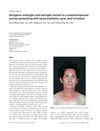 August 2009 in “International Journal of Dermatology”
 A postmenopausal woman's facial redness, acne, and excess hair were caused by too much hormone therapy for insomnia, but improved after stopping the treatment.
 2 citations
,
January 2012 in “Journal für Kardiologie (Krause & Pachernegg GmbH)”
2 citations
,
January 2012 in “Journal für Kardiologie (Krause & Pachernegg GmbH)” Hirsutism and alopecia during menopause can be diagnosed and treated with specific hormonal and topical therapies.
 26 citations
,
January 2020 in “Przegląd Menopauzalny”
26 citations
,
January 2020 in “Przegląd Menopauzalny” Menopausal women have higher androgen levels, which can cause symptoms like facial hair growth and low sexual desire.
July 2024 in “Journal of Investigative Dermatology” Skin hormone levels change significantly after menopause.
 10 citations
,
December 2010 in “British Journal of Dermatology”
10 citations
,
December 2010 in “British Journal of Dermatology” After menopause, some women lose scalp hair and gain facial hair, with patterns suggesting different underlying causes.
January 2026 in “Clinics in Dermatology” Managing menopause symptoms like skin changes and hair thinning involves hormone therapy, procedures, and skincare, with emotional support being important.
 3 citations
,
March 2019 in “Post Reproductive Health”
3 citations
,
March 2019 in “Post Reproductive Health” Testosterone replacement can help menopausal women with various symptoms, but should be used carefully and is not yet officially licensed in the UK for women.
173 citations
,
November 2004 in “Seminars in Reproductive Medicine” Adrenarche increases adrenal androgens around age 6, affecting hair growth and development.
 September 2023 in “Gynäkologische Endokrinologie”
 Menopause causes skin and hair to become drier and thinner, but hormone therapy can improve these conditions.
77 citations
,
September 1983 in “Acta Paediatrica” Dexamethasone effectively normalizes elevated steroid levels in girls with premature adrenarche.
 6 citations
,
September 1998 in “The Journal of The British Menopause Society”
6 citations
,
September 1998 in “The Journal of The British Menopause Society” Testosterone replacement may help postmenopausal women with sexual function and bone density, but suitable treatments are limited.
25 citations
,
June 2022 in “Clinical and Experimental Dermatology” Menopause significantly affects skin health and conditions.
 January 2013 in “Revista Clínica Española”
 A postmenopausal woman's increased male hormone levels were successfully treated with surgery.
 29 citations
,
May 1998 in “Bulletin of the American College of Nurse-Midwifery”
29 citations
,
May 1998 in “Bulletin of the American College of Nurse-Midwifery” The document concludes that menopause should be seen as a natural part of aging and managed with personalized care and informed choices.
May 2025 in “Journal of the ASEAN Federation of Endocrine Societies” Surgical removal of an adrenal tumor resolved hormonal issues in a young woman.
 1 citations
,
September 2025 in “EMJ Dermatology”
1 citations
,
September 2025 in “EMJ Dermatology” Menopause affects skin and hair, and more research is needed for effective treatments.