
Exosome therapies improve skin, hair, and healing but face challenges like cost and regulation.
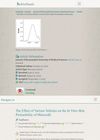 October 2022 in “Journal of Kermanshah University of Medical Sciences”
 Different substances can affect how well the skin absorbs minoxidil, a hair loss drug. Caprylic acid helps the skin absorb it the best, followed by propylene glycol and water.
 28 citations
,
April 2023 in “Stem cell research & therapy”
28 citations
,
April 2023 in “Stem cell research & therapy” Tiny vesicles from stem cells could be a new treatment for healing wounds.
1036 citations
,
August 2019 in “Cells” Mesenchymal stem cells can help repair body tissues with low risk of rejection.
387 citations
,
May 2019 in “International Journal of Molecular Sciences” Adipose-derived stem cells are promising for regenerative medicine due to their accessibility, versatility, and low risk of immune rejection.
83 citations
,
May 2022 in “Journal of Advanced Research” Enhancing glycolysis in mesenchymal stromal/stem cells boosts their immune functions and therapy potential.
81 citations
,
March 2022 in “Frontiers in Bioengineering and Biotechnology” Bioengineered scaffolds help heal skin wounds, but perfect treatments are still needed.
 79 citations
,
January 2018 in “Wiley Interdisciplinary Reviews-Developmental Biology”
79 citations
,
January 2018 in “Wiley Interdisciplinary Reviews-Developmental Biology” Understanding how baby skin heals without scars could help develop treatments for adults to heal wounds without leaving scars.
57 citations
,
November 2024 in “Aggregate” Smart hydrogels can improve diabetic wound healing by adapting to wound conditions and providing controlled treatment.
48 citations
,
July 2022 in “International Journal of Nanomedicine” Nanobiotechnology could improve chronic wound healing and reduce costs.
44 citations
,
April 2021 in “Frontiers in Cell and Developmental Biology” MSC-derived exosomes may help in skin repair and regeneration.
36 citations
,
July 2022 in “Stem Cell Research & Therapy” SVF may improve nanofat treatment for acne scars, but more research is needed.
29 citations
,
May 2025 in “Polymers” DLP bioprinting shows promise for medical uses, but needs more material options and strength improvements.
 26 citations
,
July 2021 in “Frontiers in Cell and Developmental Biology”
26 citations
,
July 2021 in “Frontiers in Cell and Developmental Biology” The review suggests that a special cell-derived treatment shows promise for various skin conditions and hair growth but needs more research for confirmation.
22 citations
,
November 2023 in “Clinical Cosmetic and Investigational Dermatology” Stem cell-derived therapies can help rejuvenate skin by improving wrinkles, elasticity, and pigmentation.
21 citations
,
August 2017 in “Journal of veterinary internal medicine” Combining amino acid and stem cell therapy may help manage hepatocutaneous syndrome in dogs.
14 citations
,
July 2022 in “Applied Sciences” Extracellular vesicles can help repair and regenerate tissues with less risk of rejection.
13 citations
,
October 2021 in “International Journal of Molecular Sciences” The HATMSC1 cell line from fat tissue can produce helpful factors for regenerative and immune therapies.
 10 citations
,
November 2021 in “Biomedicines”
10 citations
,
November 2021 in “Biomedicines” Some therapies using stem cells and platelet-rich plasma may help treat osteoarthritis, but more research is needed to ensure they are safe and effective.
7 citations
,
August 2024 in “Journal of Functional Biomaterials” PRP injections improve knee function better than other treatments for osteoarthritis.
4 citations
,
January 2026 in “Micro” Bioinspired conductive materials and advanced bioprinting can improve tissue regeneration by creating smart, adaptable scaffolds.
4 citations
,
February 2023 in “International Journal of Stem Cells” The FTO gene hinders stem cells in hair follicles from becoming pigment cells.
 3 citations
,
March 2023 in “Life”
3 citations
,
March 2023 in “Life” Obesity can worsen wound healing by negatively affecting the function of stem cells in fat tissue.
3 citations
,
December 2007 in “Journal of Otology” Guinea pig fat stem cells can become hair cell-like cells in a lab.
 1 citations
,
February 2024 in “Journal of nanobiotechnology”
1 citations
,
February 2024 in “Journal of nanobiotechnology” Hydrogels combined with extracellular vesicles and 3D bioprinting improve wound healing.
 1 citations
,
January 2024 in “Cellular & Molecular Biology Letters”
1 citations
,
January 2024 in “Cellular & Molecular Biology Letters” Adipose-derived stem cells help heal burns but need more research.
 1 citations
,
August 2023 in “Military Medical Research”
1 citations
,
August 2023 in “Military Medical Research” Smart hydrogel dressings could improve diabetic wound healing by adjusting to wound conditions and controlling drug release.
 1 citations
,
June 2023 in “Cells”
1 citations
,
June 2023 in “Cells” Exosomes could be a promising way to help repair skin and treat skin disorders.
 1 citations
,
January 2022 in “Faculty reviews”
1 citations
,
January 2022 in “Faculty reviews” The best long-lasting results in treating hair loss may be achieved through combination therapy, including treatments like finasteride, minoxidil, and platelet-rich plasma injections.
May 2026 in “Dermatologic Surgery” GLP-1RAs may cause hair loss but could also help regrow hair in some cases.