12 citations
,
January 2022 in “Cells” Dermal papilla cell vesicles can boost hair growth genes in fat stem cells.
8 citations
,
November 1976 in “Journal of Investigative Dermatology”  1 citations
,
April 2019 in “The journal of investigative dermatology/Journal of investigative dermatology”
1 citations
,
April 2019 in “The journal of investigative dermatology/Journal of investigative dermatology” Melanocyte-associated antigens may play a key role in alopecia areata and could be targets for new treatments.
4 citations
,
December 1989 in “The Journal of Dermatology” Human hair proteins have similar cysteine and glycine levels to skin proteins.
 April 2018 in “Journal of Investigative Dermatology”
 Fetuin A may increase collagen production and promote scarring.
October 2021 in “Plastic and reconstructive surgery. Global open” Adipose-derived stem cells may help treat hair loss.
January 2019 in “11th World congress for hair research”  10 citations
,
January 2018 in “Organogenesis”
10 citations
,
January 2018 in “Organogenesis” Porcine acellular dermal matrix treatment helps wounds heal faster and reduces scarring by affecting Jag1 in skin stem cells.
 12 citations
,
December 2017 in “Journal of biomaterials science. Polymer ed.”
12 citations
,
December 2017 in “Journal of biomaterials science. Polymer ed.” Human hair protein extracts can protect skin cells from oxidative stress.
 November 2022 in “The journal of investigative dermatology/Journal of investigative dermatology”
 The research identified specific genes that are active in the cells crucial for hair growth.
73 citations
,
April 2006 in “BioTechniques” Protein microarrays are highly sensitive tools useful for disease diagnosis and studying proteins.
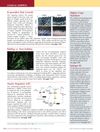 July 2016 in “Journal of Investigative Dermatology”
 R-spondin2 may help treat hair loss, gene differences could explain baldness, a peptide's regulation is linked to psoriasis, B-defensin gene copies may affect a skin condition's risk and severity, and potential markers and targets for alopecia areata were identified.
6 citations
,
August 2016 in “Journal of Visualized Experiments” The CUBIC protocol allows detailed 3D visualization of proteins in mouse skin biopsies.
SH-SY5Y cell lysate is effective for diagnosing Satoyoshi syndrome.
23 citations
,
April 2016 in “Journal of Visualized Experiments” The method successfully isolates hair follicle stem cells from mice for research.
1 citations
,
April 2023 in “International journal of molecular sciences” Certain skin proteins can form anchoring structures without the protein AMACO.
Correcting EDA fibronectin organization and YAP translocation can improve wound healing in fibrotic conditions.
2 citations
,
June 2004 in “Journal of Molecular Histology”  12 citations
,
May 2003 in “Journal of dermatological science”
12 citations
,
May 2003 in “Journal of dermatological science” Hsc70 protein may influence hair growth by responding to androgens.
April 2023 in “Journal of Investigative Dermatology” cp-asiAR may effectively treat hair loss by targeting androgen receptors.
 July 2024 in “Experimental Dermatology”
 AP collagen peptides help hair grow and improve hair health.
 June 2026 in “Journal of Sulaimani Medical College”
 Adipose-derived stem cell exosomes are more effective and satisfying for treating hair loss than minoxidil.

Tissue from dog stem cells helped grow hair in mice.
November 2024 in “Stem Cell Research & Therapy” A new method improves the isolation of hair follicle cells for better hair growth research.
10 citations
,
January 2001 in “Bioscience Biotechnology and Biochemistry” Ubiquitin, a protein, is found in hair, nails, and skin.
305 citations
,
March 2008 in “AJP Endocrinology and Metabolism” SSAT is a key enzyme affecting cell growth and metabolism, with potential but risky use in disease treatment.
 November 2023 in “Journal of Dermatological Science”
 Cells that move well may improve hair loss treatments by entering hair follicles.
February 2019 in “Chin J Injury Repair and Wound Healing(Electronic Edition)” Porcine acellular dermal matrix helps hair growth by boosting specific proteins and signals.
2 citations
,
December 2017 in “The journal of investigative dermatology. Symposium proceedings/The Journal of investigative dermatology symposium proceedings” The conclusion is that a new method could improve the identification of autoimmune targets in alopecia areata, despite some limitations.
 August 2019 in “Journal of Investigative Dermatology”
 Frog skin cells need the protein desmoplakin for proper development and cell layer formation.