54 citations
,
February 2002 in “Carcinogenesis” Increasing SSAT makes skin more prone to cancer.
 November 2025 in “Stem Cell Research & Therapy”
 Human hair follicle cells can help regenerate hair and reduce inflammation, aiding in hair loss treatment.
July 2024 in “Journal of Investigative Dermatology” CD8+ T cells attack hair follicle stem cells, causing scarring and hair loss in Discoid Lupus.
June 2026 in “Advanced Healthcare Materials” Engineered vesicles with EGF mRNA improve skin wound healing and reduce scarring.
15 citations
,
June 2019 in “Biochemical Journal” A new genetic disorder caused by an ODC1 mutation can be treated with DFMO.
30 citations
,
June 2000 in “Journal of dermatological science” Human keratinocytes do not naturally respond to androgens.
 November 2020 in “Journal of The American Academy of Dermatology”
 The conclusion is that many small genetic variations influence claw disorders in cows, and using genomic selection could help reduce these disorders.

Adipocytes in atopic dermatitis skin change and worsen inflammation and fibrosis.
 7 citations
,
January 1998 in “EXPERIMENTAL ANIMALS”
7 citations
,
January 1998 in “EXPERIMENTAL ANIMALS” The skin of both rat strains showed similar lectin binding patterns.
822 citations
,
January 2021 in “Genome biology” scMC effectively separates biological signals from technical noise in single-cell genomics data.
11 citations
,
December 2013 in “Clinical and experimental dermatology” A child with skin and heart issues had rare genetic mutations affecting skin and heart cell cohesion.
 4 citations
,
January 2001 in “Archives of Biochemistry and Biophysics”
4 citations
,
January 2001 in “Archives of Biochemistry and Biophysics” Activated ras can protect kidney cells from a certain substance that causes cell death.
21 citations
,
December 1994 in “Journal of Investigative Dermatology” June 2023 in “bioRxiv (Cold Spring Harbor Laboratory)” Scientists created cell lines to study a genetic skin disorder using CRISPR technology.
 3 citations
,
December 2020 in “bioRxiv (Cold Spring Harbor Laboratory)”
3 citations
,
December 2020 in “bioRxiv (Cold Spring Harbor Laboratory)” Disrupting YAP signaling in skin cells leads to scar-free healing directed by specific cell signals.
 8 citations
,
March 2020 in “Frontiers in Cell and Developmental Biology”
8 citations
,
March 2020 in “Frontiers in Cell and Developmental Biology” Researchers created immortal human skin cells with constant testosterone receptor activity to study hair loss and test treatments.
 11 citations
,
August 2018 in “Facial Plastic Surgery Clinics of North America”
11 citations
,
August 2018 in “Facial Plastic Surgery Clinics of North America” Adipose-derived stem cells show potential for skin rejuvenation and wound healing but require more research to overcome challenges and ensure safety.
 July 2023 in “British journal of dermatology/British journal of dermatology, Supplement”
 Aging changes scalp cells, possibly affecting hair health in older women.
 April 2018 in “Journal of Investigative Dermatology”
 High amphiregulin in the skin is a bad sign for acute graft-versus-host disease.
4 citations
,
July 2020 in “Journal of proteomics” Hair protein composition is similar across different races and shapes.
 April 2017 in “Journal of Investigative Dermatology”
 Researchers improved a method to study individual cells in newborn mouse skin and found a way to assess the severity of a skin condition in humans.
 148 citations
,
April 2009 in “Molecular Pharmaceutics”
148 citations
,
April 2009 in “Molecular Pharmaceutics” Researchers developed promising agents for prostate cancer imaging, with the best one showing high potential for clinical use.
 1 citations
,
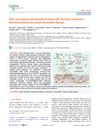
October 2025 in “Nano Research”
1 citations
,
October 2025 in “Nano Research” A new microneedle patch effectively treats atopic dermatitis by reducing skin stress and restoring immune balance.
9 citations
,
March 2017 in “Journal of Visualized Experiments” The assay effectively identifies compounds that affect immune cell activation.
13 citations
,
March 2020 in “Acta veterinaria Scandinavica” Stem cells from fat improve dog wound healing better than standard treatment.
46 citations
,
June 2013 in “Journal of structural biology” High glycine–tyrosine keratin-associated proteins help make hair strong and maintain its shape.
 8 citations
,
July 2013 in “PLoS ONE”
8 citations
,
July 2013 in “PLoS ONE” DNA can be quickly and effectively extracted from hair using laundry powder.
November 2025 in “Journal of Investigative Dermatology” Certain immune cells in atopic dermatitis skin could be targeted for treatment.
April 2023 in “Journal of Investigative Dermatology” CD206+ macrophages are crucial for hair growth in alopecia areata treatment.

Human dermal papilla cell vesicles can reduce skin fibrosis in mice.