9 citations
,
January 2025 in “Droplet” Precise cell manipulation technologies are advancing but still face challenges in improving accuracy for medical use.
 8 citations
,
January 2015 in “Journal of Cutaneous Medicine and Surgery”
8 citations
,
January 2015 in “Journal of Cutaneous Medicine and Surgery” Hair restoration techniques have improved but still rely on limited donor hair, with new methods like cloning and gene therapy being explored.
6 citations
,
January 2025 in “Journal of Materials Chemistry B” Liposome-composite hydrogel microspheres are promising for safe, controlled drug delivery.
 2 citations
,
August 2023 in “Pharmaceutics”
2 citations
,
August 2023 in “Pharmaceutics” New skin disease treatments using TDDS are improving but face challenges like side effects and high costs.
 May 2023 in “Journal of Clinical Medicine”
 New understanding and treatments for hair loss are improving, but more research is needed.
23 citations
,
May 2024 in “Bioactive Materials” Biomimetic biomaterials can improve skin healing by mimicking natural tissue and reducing immune rejection.
21 citations
,
August 2024 in “Journal of Animal Science and Biotechnology/Journal of animal science and biotechnology” Single-cell transcriptomics helps improve animal health and productivity by studying gene expression in individual cells.
15 citations
,
November 2024 in “Pharmaceutics” Peptide drugs now target hard-to-reach proteins more effectively and specifically.
 8 citations
,
January 2015 in “Experimental Dermatology”
8 citations
,
January 2015 in “Experimental Dermatology” Dr. Shoji Okuda's pioneering work on hair transplantation was overlooked and could have significantly advanced the field if recognized sooner.
 February 2026 in “MDPI (MDPI AG)”
 Emerging injectable treatments like PRP, stem cells, and exosomes show promise for safer, more effective hair growth.
August 2025 in “Medicine and ecology” Adipose tissues and platelet-rich plasma help tissue repair and healing in surgery.
 April 2017 in “Plastic surgical nursing”
 Platelet-rich plasma (PRP) is an effective treatment for hair loss that involves scalp injections and requires ongoing maintenance.

Non-invasive methods can effectively diagnose and manage alopecia areata.
61 citations
,
September 2024 in “Micromachines” Electrospun nanofiber membranes are promising for non-invasive medical uses like tissue repair and health monitoring.
 4 citations
,
August 2023 in “Materials”
4 citations
,
August 2023 in “Materials” New synthetic polymers help improve skin wound healing and can be enhanced by adding natural materials and medicines.
1 citations
,
May 2025 in “Biomolecules” Synthetic biology can improve sesquiterpenol production by using innovative microbial strategies.
 June 2023 in “GSC Advanced Research and Reviews”
 Hutchinson-Gilford Progeria Syndrome causes rapid aging from a genetic mutation, with no cure but ongoing research into potential treatments.
17 citations
,
May 2005 in “Hair transplant forum international” The study found that using growth factors from a person's own blood may help improve hair growth in baldness surgery.
12 citations
,
December 2015 in “F1000Research” BPH treatments are improving with personalized medicine and better surgical options.
 October 2023 in “Facial Plastic Surgery”
 The FUE-LE technique combines two hair transplant methods to improve graft yield without needing a large team or extra costs.
 November 2024 in “BMC Surgery”
 Follicular unit extraction is an effective and minimally invasive treatment for male hair loss.
188 citations
,
December 2020 in “Foods” Polyphenols in plant foods help prevent diseases and have potential uses in food, cosmetics, and more.
 June 2024 in “Computational and Structural Biotechnology Journal”
 Multi-omics techniques help understand the molecular causes of androgenetic alopecia.
 6 citations
,
January 2019 in “Journal of dermatology”
6 citations
,
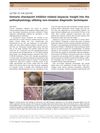
January 2019 in “Journal of dermatology” Immune checkpoint inhibitors used in cancer therapy can cause hair loss, and understanding this can help manage the side effect.
1 citations
,
January 2020 FUE is a preferred hair restoration method because it avoids large scars and offers less pain.

Current treatments for androgenetic alopecia have limitations, and personalized approaches and new methods are needed for better results.
June 2025 in “La Prensa Medica” Advancements in cosmetology and plastic surgery have improved personal transformation with better results and high patient satisfaction.
 February 2026 in “Dermatology and Therapy”
 Sonidegib is effective and safe for treating advanced basal cell carcinoma, but biopsies are needed to confirm tumor clearance.
 8 citations
,
January 2003 in “Plastic and Reconstructive Surgery”
8 citations
,
January 2003 in “Plastic and Reconstructive Surgery” Hair transplants using follicular unit grafting can significantly improve appearance for men with advanced hair loss.
December 2025 in “Journal of Drug Discovery and Therapeutics” Spanlastics improve drug delivery by enhancing bioavailability and targeting, reducing side effects.