Search
for
Sort by
Research
330-360 / 1000+ resultsresearch Hepatocyte growth factor combined with adenosine deaminase as biomarker for diagnosis of tuberculous pleural effusion
HGF combined with ADA is highly accurate for diagnosing tuberculous pleural effusion, especially in younger females.
research N6-methyladenosine (m6A)-circHECA facilitates the differentiation of SHF stem cells into hair follicle lineage through miR-449a-5p/LEF1 mediated Wnt/β-catenin pathway in cashmere goats
m6A-circHECA helps stem cells become hair follicles in cashmere goats.
research Acrodermatitis enteropathica: Case report analyses of zinc metabolism electron microscopic examination and immune function
Zinc supplementation effectively treats acrodermatitis enteropathica symptoms.

research Recent positive selection of a human androgen receptor/ectodysplasin A2 receptor haplotype and its relationship to male pattern baldness
A specific genetic mutation may increase male pattern baldness risk, especially in Europeans.

research ASSESSMENT OF SERUM LEVELS OF ANTIGLIADIN ANTIBODIES (IGG AND IGA) IN PATIENTS WITH ALOPECIA AREATA AND THEIR RELATION TO SEVERITY OF THE DISEASE
Higher antigliadin antibody levels are linked to alopecia areata severity.
research Cryptomphalus aspersa Mollusc Egg Extract Promotes Regenerative Effects in Human Dermal Papilla Stem Cells
Mollusc egg extract helps skin and hair cells grow and heal.
research Connubial Androgenetic Alopecia
Hamilton scale imprecise, hair shaft diameter decreases, stem cell transplant regrows hair, ECP ineffective for alopecia areata universalis.

research A Natural Inhibitor, 1′S-1′-Acetoxychavicol Acetate, Against Testosterone-Induced Alopecia via NADPH Oxidase Regulation
1′S-1′-Acetoxychavicol acetate may help treat hair loss by reducing oxidative stress.
research BroadAMP-GPT: AI-Driven generation of broad-spectrum antimicrobial peptides for combating multidrug-resistant ESKAPE pathogens
BroadAMP-GPT effectively creates antimicrobial peptides to fight drug-resistant bacteria.
research Amphiregulin in Fibrotic Diseases and Cancer
Targeting amphiregulin may improve treatment for fibrotic diseases and cancer.
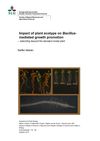
research Impact of plant ecotype on Bacillus-mediated growth promotion
Bacillus amyloliquefaciens can boost root hair growth in some Arabidopsis plants, potentially improving agriculture.

research Exploring management of acrodermatitis.
Early recognition and zinc treatment can effectively improve acrodermatitis symptoms.
research A liquid chromatography/tandem mass spectrometry method for determination of aristolochic acid‐I in rat plasma
A reliable method was developed to measure aristolochic acid-I in rat blood.
research 63407 A Descriptive Analysis of Patients With Moderate-to-Severe Atopic Dermatitis and Comorbid Alopecia Areata in the Abrocitinib JADE Clinical Program
research Adult patients with alopecia areata report a significantly better medication adherence compared to those with atopic dermatitis: Results from a large cross-sectional cohort study
Adults with alopecia areata stick to their medication better than those with atopic dermatitis.

research INVESTIGATING THE MECHANISMS UNDERLYING THE PATHOGENESIS OF ALOPECIA AREATA
Alopecia areata may be treated by using EGCG to balance immune cells and reduce inflammation.
research Subjects with mild alopecia benefit from aminexil clinical 5: results of a large international observational study
Aminexil clinical 5 effectively reduces hair loss and is well-tolerated.

research Answers to CME examination
research Table 1_Clinical features and genetic analysis of acrodermatitis enteropathica in an ethnic minority infant from Western China: a case report and literature review.xlsx
Early genetic testing and zinc therapy are crucial for managing acrodermatitis enteropathica effectively.

research 066 Comparison of alopecia areata induction in C3H/HeH mice by injection of lymphocytes from mice with induced vs. spontaneous disease
Both induced and spontaneous AA lymphocytes can cause alopecia areata in mice.

research Anagen effluvium in extracorporeal membrane oxygenation
A child on life support experienced rapid hair loss due to severe illness affecting hair growth.
research Shared decision-making in central centrifugal cicatricial alopecia
Patients with central centrifugal cicatricial alopecia benefit from shared decision-making with their doctors.

research Electron beam tomography quantitation of coronary calcium and assessment for ischemic coronary disease: a complement to stress testing
Electron Beam Tomography (EBT) is a useful additional test to stress testing for detecting heart disease.

research Corticotropin releasing factor-1 receptor antagonism associated with favorable outcomes of male reproductive health biochemical parameters
Blocking CRF1 receptors improved male hormone levels and reduced testicular tumor size in men with a specific adrenal condition.

research Pharmacological Strategies for Mitigating Cytarabine-Induced Multi-Organ Toxicity: A Scoping Review on Mechanisms, Efficacy and Clinical Implications
Apraglutide and N-acetylcysteine (NAC) show promise in reducing cytarabine's harmful effects on organs.
research Quantification of mast cells in central centrifugal cicatricial alopecia
Mast cells may significantly contribute to central centrifugal cicatricial alopecia.
research Patchy presentation of central centrifugal cicatricial alopecia
CCCA can appear as patchy hair loss in younger men, not just the usual pattern.

research Research work of Prof. De-Eknamkul, including the mechanistic synergy of hair growth promotion by the Avicennia marina extract and its active constituent (avicequinone C) in dermal papilla cells isolated from androgenic alopecia patients
Avicennia marina extract may help treat hair loss naturally.
research 269 The PPAR-γ modulator, N-acetyl-GED, protects from epithelial-mesenchymal-transition to human hair follicles: Potential relevance for scarring alopecia
N-acetyl-GED may help prevent and partially reverse a process that leads to scarring hair loss.