Higher air pollution increases the risk of alopecia areata.
August 2021 in “Journal of advances in medicine and medical research” Excimer light therapy is more effective than low level laser therapy for treating alopecia areata.
19 citations
,
February 2001 in “Journal of paediatrics and child health” A new mutation in the mitochondrial DNA was found in a boy with MELAS, even though his family didn't show typical signs.
8 citations
,
January 2025 in “Gels” The developed nasal gel improves cilostazol delivery to the brain, enhancing its effectiveness and reducing side effects.
June 2026 in “Value in Health” October 2025 in “OPAL (Open@LaTrobe) (La Trobe University)” Early genetic testing and zinc therapy are crucial for managing acrodermatitis enteropathica in infants.
6 citations
,
October 2016 in “Pediatric Dermatology” A 6-year-old girl had a rare allergic reaction to a hair regrowth treatment.
249 citations
,
May 2003 in “Developmental Biology” Ectodysplasin-A1 is crucial for developing hair, teeth, and glands.
1 citations
,
September 1986 in “Journal of the Forensic Science Society” Hair root sheaths can be used to accurately analyze genetic markers.
Accurate diagnosis of hair loss types is crucial for effective treatment.
 4 citations
,
July 2020 in “Biochemical and Biophysical Research Communications”
4 citations
,
July 2020 in “Biochemical and Biophysical Research Communications” A protein called ectodysplasin-A2 increases a hair growth inhibitor in balding cells, which could be a target for hair loss treatment.
305 citations
,
March 2008 in “AJP Endocrinology and Metabolism” SSAT is a key enzyme affecting cell growth and metabolism, with potential but risky use in disease treatment.
15 citations
,
August 1991 in “Histochemistry and Cell Biology” Enhancing Factor is found in growing tissues like young mouse intestines and skin but not in adults.
 August 2016 in “Journal of Investigative Dermatology”
 The enzyme CD73 helps control human hair growth and could be targeted to treat hair growth disorders.
25 citations
,
September 2005 in “Journal of the American Academy of Dermatology” Rapp-Hodgkin syndrome, AEC, and EEC are different expressions of the same genetic disorder caused by TP63 gene mutations.
 June 2026 in “International Journal of Drug Delivery Technology”
 The developed aloe vera gel with green tea and fenugreek extracts may effectively treat hair loss.
 6 citations
,
June 2008 in “Journal of the European Academy of Dermatology and Venereology”
6 citations
,
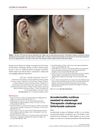
June 2008 in “Journal of the European Academy of Dermatology and Venereology” A man with Acrodermatitis continua did not get better with etanercept treatment, and his condition worsened, suggesting treatment effectiveness may vary by genetics and race.
 April 2016 in “Journal of The American Academy of Dermatology”
 The study found that severe alopecia areata affects any age, treatments often give temporary results, and some factors predict worse outcomes.
2 citations
,
October 2025 in “Antimicrobial Agents and Chemotherapy” Cepharanthine can block enterovirus entry and protect against infection.
 December 2017 in “The journal of investigative dermatology. Symposium proceedings/The Journal of investigative dermatology symposium proceedings”
 The summit aimed to speed up finding treatments for alopecia areata.
 August 2025 in “American Journal of Clinical Dermatology”
 Clinicians should use evidence-based tools and consider mental health when assessing alopecia areata to guide treatment.
June 2026 in “Advanced Healthcare Materials” Engineered vesicles with EGF mRNA improve skin wound healing and reduce scarring.
 January 2024 in “Brazilian Journal of Veterinary Pathology”
 The horse had a rare disease causing weight loss and skin issues, leading to euthanasia due to poor treatment options.
 August 1995 in “Journal of The European Academy of Dermatology and Venereology”
 New therapy helps treat hair loss.
4 citations
,
January 2023 in “Journal of Clinical Investigation” Specific mutations in a receptor cause facial abnormalities and hair loss.
33 citations
,
February 2012 in “British Journal of Dermatology” Mutations in the p63 gene affect skin adhesion, barrier integrity, and hair growth.
April 2025 in “Indian Journal of Paediatric Dermatology” Zinc supplements improved the girl's skin and hair condition.
12 citations
,
May 2016 in “British Journal of Dermatology” A 6-year-old boy's skin condition improved after stopping a specific treatment and starting new medications.
 1 citations
,
April 2019 in “The journal of investigative dermatology/Journal of investigative dermatology”
1 citations
,
April 2019 in “The journal of investigative dermatology/Journal of investigative dermatology” Melanocyte-associated antigens may play a key role in alopecia areata and could be targets for new treatments.
3 citations
,
January 1977 in “Electroencephalography and Clinical Neurophysiology”