 26 citations
,
May 2019 in “PLOS ONE”
26 citations
,
May 2019 in “PLOS ONE” Hair loss patients have different microbes in hair follicles, possibly affecting hair loss.
Myrtus communis Linn is a versatile medicinal plant used for treating many health issues and as a food additive.
11 citations
,
October 2023 in “mSphere” PrrH sRNA controls pyochelin production in *Pseudomonas aeruginosa*.
January 2025 in “Current Allergy and Asthma Reports”  1 citations
,
April 2006 in “International Journal of Oncology”
1 citations
,
April 2006 in “International Journal of Oncology” Lysocellin helps stop cell damage from etoposide and may prevent hair loss.
January 1980 in “Lluc: revista de cultura i d'idees” Agaricus bisporus β-Glucan particles could effectively treat cervical cancer and offer antimicrobial and antioxidant benefits.
 61 citations
,
May 2015 in “Planta”
61 citations
,
May 2015 in “Planta” Certain fungi and bacteria help orchid seeds germinate and plants grow better.
February 2013 in “Archives of Disease in Childhood Education & Practice” Kerion, a severe scalp infection, causes hair loss and needs oral antifungal treatment.
Fungal infections like ringworm affect skin, hair, and nails in humans and animals, requiring culture for diagnosis and specific treatments.
 January 2023 in “International Journal of Molecular Sciences”
 Maxillariinae orchids contain 62 compounds with potential health benefits, including treating skin conditions and diseases like cancer and diabetes.
 September 2020 in “Journal of Investigative Medicine”
 Omics techniques are needed to understand the scalp microbiome's role in alopecia areata for new treatments.
14 citations
,
November 2015 in “Dermatology” The research provided insights into the presentation and management of alopecic and aseptic nodules of the scalp.
May 2019 in “Journal of Evidence Based Medicine and Healthcare” Alopecia Areata is often linked to other health issues like allergies, thyroid problems, and diabetes.
June 2026 in “Clinical and Experimental Dermatology” Certain bacteria levels change in hair follicle diseases, but their role is unclear.
10 citations
,
April 2017 in “Journal of Investigative Dermatology” The gut microbiome affects the development of alopecia areata.
 14 citations
,
April 2019 in “Saudi pharmaceutical journal”
14 citations
,
April 2019 in “Saudi pharmaceutical journal” Microparticles help caffeic acid stay longer in hair follicles for better treatment of folliculitis.
 3 citations
,
April 2022 in “Cutis”
3 citations
,
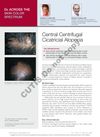
April 2022 in “Cutis” CCCA is a common, scarring hair loss in Black women that needs early detection.
14 citations
,
November 2023 in “Mycoses” Kerion Celsi in children is treated with antifungals, not surgery, to prevent scarring.
 June 2023 in “Benha Journal of Applied Sciences”
 Acne is caused by multiple types of bacteria.
1 citations
,
June 2018 in “Archives of Disease in Childhood Education & Practice” The girl's hair started regrowing after 6 weeks of treatment.
January 2024 in “Editora In Vivo eBooks” A dog had a fungal skin infection that can also affect humans.
 May 2025 in “Scholars Journal of Medical Case Reports”
 A 10-year-old boy's scalp infection was cured with oral medication in two months.
 19 citations
,
May 2014 in “Molecules”
19 citations
,
May 2014 in “Molecules” Avicequinone C, a compound found in the Avicennia marina plant, can reduce hair loss by inhibiting a hormone linked to androgenic alopecia.
 19 citations
,
January 2009 in “Journal of Young Pharmacists”
19 citations
,
January 2009 in “Journal of Young Pharmacists” Alcoholic extract of Eclipta alba may help treat allergies and is safe at high doses.
 January 2023 in “Fundamental toxicological sciences”
 Mozuku seaweed fucoidan can inhibit harmful skin bacteria growth.
September 2015 in “Photodiagnosis and Photodynamic Therapy” 5 citations
,
January 2025 in “Pharmaceuticals” Coffea arabica shows promise for skin care due to its beneficial compounds.
March 2024 in “Nutrients” Alopecia Areata is linked to specific gut bacteria and metabolites, indicating a complex gut microbiome.
Eclipta alba shows promise for treating hair loss.