1 citations
,
January 2014 The emulgel formulation F6 released more Minoxidil than the gel formulation F1.
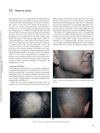 April 2012 in “Informa Healthcare eBooks”
 Alopecia areata is a common autoimmune condition causing varying hair loss, diagnosed by specific patterns of inflammation around hair follicles, with several treatment options available.
 11 citations
,
May 2023 in “Journal of Cutaneous Medicine and Surgery”
11 citations
,
May 2023 in “Journal of Cutaneous Medicine and Surgery” Plasma Rich in Growth Factors may help reduce hair loss in Frontal Fibrosing Alopecia.
 May 2026 in “Scholars Journal of Medical Case Reports”
 Intralesional betamethasone and oral hydroxychloroquine improved hair loss in a woman with frontal fibrosing alopecia.
 23 citations
,
April 2021 in “Journal of Clinical Medicine”
23 citations
,
April 2021 in “Journal of Clinical Medicine” Frontal Fibrosing Alopecia's cause is unclear, affects mainly postmenopausal women, and current treatments focus on stopping hair loss rather than regrowth.
 April 2024 in “Journal of applied cosmetology”
 Using hyaluronic acid fillers in the temple area of the face can improve looks but has risks, so choosing the right technique and product is important for safety.
6 citations
,
March 2024 in “Therapeutic Delivery” Nanoparticle drug delivery could improve alopecia areata treatment.
 179 citations
,
December 2004 in “Journal of The American Academy of Dermatology”
179 citations
,
December 2004 in “Journal of The American Academy of Dermatology” Some postmenopausal women with frontal fibrosing alopecia stopped losing hair with finasteride treatment, hinting at a possible hormonal cause.
August 2025 in “Journal of Industrial and Engineering Chemistry” A new topical finasteride formulation effectively promotes hair growth with fewer side effects.
 April 2024 in “International Journal of Dermatology”
 Filler injections can cause temporary hair loss, but hyaluronidase can help restore hair within a few months.
 February 2025 in “International Journal of Dermatology”
 Pressure from injectable treatments can cause hair loss by compressing blood vessels.
 November 2023 in “The journal of investigative dermatology/Journal of investigative dermatology”
 Early treatment and multidisciplinary care are key to managing Frontal Fibrosing Alopecia and preventing further hair loss.
1 citations
,
January 2018 in “International Journal of Pharmaceutical Sciences and Drug Research” The minoxidil gel is stable and effective for treating alopecia areata.
 1 citations
,
January 2022 in “Journal of Pharmaceutical Sciences”
1 citations
,
January 2022 in “Journal of Pharmaceutical Sciences” The new skin cream with FOL-005 safely promotes hair growth and is stable and user-friendly.
 February 2024 in “International Journal of Pharmaceutics”
 A new hair loss treatment combining minoxidil and cedrol improves hair growth and reduces side effects.
 January 2025 in “International Journal of Research and Innovation in Applied Science”
 The developed glycerosome gel improves minoxidil delivery for better alopecia treatment.
 December 2023 in “Journal of materials chemistry. B”
 A new nanoemulsion increases oxygen for hair cells, leading to better hair growth.
 January 2022 in “International Journal of Health Science”
 Topical products, especially specific shampoos, are effective in treating androgenetic alopecia by delivering active ingredients to hair follicles and improving hair quality.
February 2025 in “Archives of Dermatological Research” Fibrosing alopecia can be diagnosed without typical signs of lichen planopilaris.
1 citations
,
May 2022 in “International journal of trichology” Most patients were happy with the hair fiber filler and had no serious side effects.
 4 citations
,
August 2020 in “Facial plastic surgery & aesthetic medicine”
4 citations
,
August 2020 in “Facial plastic surgery & aesthetic medicine” Combining growth factors with minoxidil improves hair growth more than minoxidil alone.
October 2021 in “Digital Library of Theses and Dissertations (Universidade de São Paulo)” The active ingredient improves the strength of damaged hair fibers.
 July 2025 in “Journal of Investigative Dermatology”
 AMP-303 safely increases hair growth in men with hair loss.
Culturing hair follicles at the air-liquid interface with minoxidil significantly boosts hair growth and preserves the root sheath.
January 2026 in “Dermatologic Therapy” Human foreskin fibroblast–conditioned medium improved hair growth in androgenetic alopecia patients.
 April 2024 in “Nano research”
 Minoxidil patches and cold plasma may help treat hair loss.
June 2023 in “Journal of Face Aesthetics” PRF is promising for dental and aesthetic uses but needs more research.
September 2025 in “OPAL (Open@LaTrobe) (La Trobe University)” Different solvents affect minoxidil crystal shapes, improving flowability and revealing a unique butterfly-shaped crystal.
 14 citations
,
June 2021 in “British journal of dermatology/British journal of dermatology, Supplement”
14 citations
,
June 2021 in “British journal of dermatology/British journal of dermatology, Supplement” Experts agreed on guidelines to improve research on Frontal Fibrosing Alopecia.
 October 2025 in “Asian Journal of Oral Health and Allied Sciences”
 Autologous growth factor concentrate therapy shows promise for treating early-stage hair loss safely and effectively.