7 citations
,
October 2010 in “Medical Hypotheses” Alopecia areata may involve stress-related changes affecting hormone receptors, leading to reduced cortisol production.
 September 2024 in “Journal of the American Academy of Dermatology”
 Phenoxyethanol in hair growth products may be linked to frontal fibrosing alopecia.
15 citations
,
July 2009 in “Biomedical Chromatography” A reliable method was developed to measure aristolochic acid-I in rat blood.
 January 2019 in “Acta dermatovenerologica Alpina, Pannonica et Adriatica (Tiskana izd.)”
 Non-ablative radio frequency can potentially increase hair count in men with androgenetic alopecia, but some may be bothered by the smell during treatment.
January 2024 in “Pharmacoepidemiology” Patients with rheumatoid arthritis using tofacitinib had more serious side effects than those with alopecia areata.
 February 2021 in “Cureus”
 A woman's hair loss was initially misdiagnosed as scarring hair loss but was actually a treatable autoimmune hair loss.
Early combination therapy can effectively regrow hair in frontal fibrosing alopecia.
Tofacitinib significantly improved symptoms in a patient with overlapping autoimmune disorders.
 May 2024 in “International Seven Journal of Multidisciplinary”
 More research is needed to better understand and treat Fibrosing Frontal Alopecia.
 October 2022 in “Journal of Armed Forces Medical College, Bangladesh”
 Tofacitinib is effective and safe for treating alopecia areata.
June 2026 in “British Journal of Dermatology” Hair transplants may trigger frontal fibrosing alopecia.
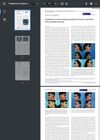 November 2023 in “Journal of cosmetic dermatology”
 The 595-nm pulsed dye laser effectively reduces symptoms of EFFC with minimal side effects.
2 citations
,
January 2016 in “Dermatology online journal” A 46-year-old man was diagnosed with frontal fibrosing alopecia, a condition usually seen in postmenopausal women.
27 citations
,
March 2011 in “JEADV. Journal of the European Academy of Dermatology and Venereology/Journal of the European Academy of Dermatology and Venereology” Fractional CO₂ laser treatments effectively tighten eyelid skin and elevate eyebrows safely.
 8 citations
,
October 2018 in “Journal of The American Academy of Dermatology”
8 citations
,
October 2018 in “Journal of The American Academy of Dermatology” The review suggests there's no agreed treatment for Frontal Fibrosing Alopecia, but hydroxychloroquine and 5a-reductase inhibitors are most effective. New treatments like platelet-rich plasma and LED light could help if standard treatments fail.
33 citations
,
October 2006 in “European Journal of Immunology” The CD44-CD49d complex boosts T cell activation and survival in autoimmune disease.
 October 2025 in “Indian Dermatology Online Journal”
 2.5 mg/ml of triamcinolone acetonide is more effective for treating alopecia areata.
August 2009 in “Mechanisms of Development” 2 citations
,
February 2025 in “Free Radical Biology and Medicine” Blocking S100A8 can reduce chemotherapy-induced hair loss.
 23 citations
,
September 2019 in “Dermatology practical & conceptual”
23 citations
,
September 2019 in “Dermatology practical & conceptual” The study concluded that AAI and DAA are forms of the same disease, with different symptoms in men and women, and that corticosteroid treatment is effective.
April 2026 in “Meditsinskiy sovet = Medical Council” Tofacitinib and baricitinib are similarly effective and safe for alopecia areata, but baricitinib works faster.
 16 citations
,
February 2022 in “Science Advances”
16 citations
,
February 2022 in “Science Advances” Follistatin and LIN28B together improve the ability of inner ear cells in mice to regenerate into hearing cells.
 April 2023 in “Revista colombiana de reumatología”
 JAK inhibitors like tofacitinib can effectively treat severe alopecia areata.
 5 citations
,
July 2003 in “Drug Development Research”
5 citations
,
July 2003 in “Drug Development Research” Fluridil promotes hair growth safely and effectively for androgenetic alopecia.
 April 2013 in “e-Competitions Bulletin”
 In 2013, the FTC settled with hair company Bosley over claims it illegally shared business information with a competitor.
97 citations
,
January 2006 in “Dermatology” imTA and pulse therapy are effective for alopecia areata with manageable side effects, but relapse rates need improvement.
January 2018 in “Journal of Crohn s and Colitis” High-dose intravenous iron therapy doesn't interfere with treatment improvements in IBD patients with iron deficiency anemia.
June 2019 in “DOAJ (DOAJ: Directory of Open Access Journals)” Trace element deficiencies may contribute to diffuse alopecia.
May 2025 in “Clinical Proteomics” Key proteins and potential drugs for treating alopecia areata were identified.
8 citations
,
July 2020 in “Clinical, cosmetic and investigational dermatology” Excessive sun protection might cause frontal fibrosing alopecia by disrupting skin immune balance.