 8 citations
,
October 2016 in “Actas Dermo-Sifiliográficas”
8 citations
,
October 2016 in “Actas Dermo-Sifiliográficas” FFA in men, often mistaken for other hair loss types, may be more common than thought and needs larger studies for confirmation.
8 citations
,
July 2017 in “The journal of investigative dermatology/Journal of investigative dermatology” Certain microRNAs might help identify and understand Frontal Fibrosing Alopecia.
 2 citations
,
October 2017 in “Journal of The American Academy of Dermatology”
2 citations
,
October 2017 in “Journal of The American Academy of Dermatology” Focal atrichia helps diagnose female pattern hair loss.
June 2025 in “Journal of Ultrasound in Medicine” High-frequency ultrasound effectively evaluates and diagnoses frontal fibrosing alopecia.
 15 citations
,
December 2017 in “Journal of The European Academy of Dermatology and Venereology”
15 citations
,
December 2017 in “Journal of The European Academy of Dermatology and Venereology” Frontal fibrosing alopecia and androgenetic alopecia may be related, with a possible shared cause.
June 2025 in “British Journal of Dermatology” ALUDWIG can help standardize female hair loss assessment from a single image.
 12 citations
,
October 2016 in “Anais Brasileiros de Dermatologia”
12 citations
,
October 2016 in “Anais Brasileiros de Dermatologia” Frontal Fibrosing Alopecia may be linked to autoimmune diseases like Sjögren's syndrome.
 February 2024 in “Skin research and technology”
 The research suggests that immune cells and a specific type of cell death called ferroptosis are involved in Frontal fibrosis alopecia.
 July 2015 in “Journal of the Dermatology Nurses’ Association”
 A 66-year-old woman experienced hair loss due to Frontal Fibrosing Alopecia, a condition with no consistently effective treatment, but it usually stabilizes over time. More research is needed for better understanding and treatment options.
 September 2013 in “Hair transplant forum international”
 The document says doctors should identify and treat Frontal fibrosing alopecia medically before considering surgery, as treatments often don't work well.
 59 citations
,
January 2002 in “Dermatology”
59 citations
,
January 2002 in “Dermatology” A new type of sudden, complete female hair loss was found, with most patients fully recovering within 6 months without needing steroid treatment.
60 citations
,
July 2014 in “Autophagy” The protein FLCN is involved in cellular cleanup and is regulated by ULK1.
 18 citations
,
June 2017 in “Journal of The American Academy of Dermatology”
18 citations
,
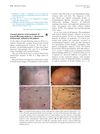
June 2017 in “Journal of The American Academy of Dermatology” Trichoscopy helps diagnose frontal fibrosing alopecia, even with unusual patterns.

Lichen planopilaris and frontal fibrosing alopecia are likely the same disease with different clinical appearances.
June 2026 in “Frontiers in Medicine” The excimer laser is a promising and safe treatment for frontal fibrosing alopecia.
June 2020 in “International Journal of Women’s Dermatology” Early diagnosis and treatment of frontal fibrosing alopecia are crucial for preserving hair and reducing inflammation.
18 citations
,
June 2020 in “Dermatologic Therapy” FCO2 laser is a better treatment for alopecia areata than intralesional steroids.
Linalool in personal care products may worsen frontal fibrosing alopecia by damaging hair follicle stem cells and triggering harmful immune responses.
 8 citations
,
September 2011 in “European Journal of Dermatology”
8 citations
,
September 2011 in “European Journal of Dermatology” Most treatments for Frontal Fibrosing Alopecia are ineffective, but early anti-inflammatory therapy may help and the condition may stabilize over time.
 46 citations
,
December 2001 in “Journal of Endocrinology/Journal of endocrinology”
46 citations
,
December 2001 in “Journal of Endocrinology/Journal of endocrinology” FLRG and follistatin have different roles in wound healing.
 126 citations
,
April 2006 in “International Journal of Dermatology”
126 citations
,
April 2006 in “International Journal of Dermatology” The conclusion is that FFA and LPP have similar scalp biopsy features, making them hard to distinguish histologically, and FFA may be a specific kind of scarring hair loss.
 2 citations
,
July 2021 in “JAAD Case Reports”
2 citations
,
July 2021 in “JAAD Case Reports” Trichoscopy of the beard is useful for diagnosing frontal fibrosing alopecia in men.
May 2025 in “Skin Appendage Disorders” Frontal fibrosing alopecia can be diagnosed by examining facial areas and treated with specific medications to stop its progression.
 July 2018 in “Elsevier eBooks”
 Frontal Fibrosing Alopecia is a type of hair loss affecting mostly older women, with no agreed best treatment.
 April 2023 in “The journal of investigative dermatology/Journal of investigative dermatology”
 Folliculotropic mycosis fungoides has unique molecular features and cell interactions that could guide targeted therapy.
August 2025 in “BMC Pharmacology and Toxicology” The LTF gene may help predict and manage nonspecific orbital inflammation.
 May 2019 in “The Journal of Sexual Medicine”
 Flibanserin's effectiveness for low sexual desire in premenopausal women may vary based on hormone levels, with normal hormone levels showing better responses.
 April 2023 in “Journal of Investigative Dermatology”
 The study suggests fibrosing alopecia in a pattern distribution has distinct features and may vary by race.
 49 citations
,
January 2003 in “Clinical and Experimental Dermatology”
49 citations
,
January 2003 in “Clinical and Experimental Dermatology” The document concludes that post-menopausal frontal fibrosing alopecia is a poorly understood condition that does not respond well to common treatments.
September 2025 in “Clinical and Experimental Rheumatology”