56 citations
,
March 2017 in “Plant and Cell Physiology” Light sheet fluorescence microscopy effectively measures calcium changes in Arabidopsis root hairs.
1 citations
,
July 1991 in “PubMed” MRI can show unusual brain changes in adrenomyeloneuropathy.
April 2019 in “Journal of Investigative Dermatology” Frontal Fibrosing Alopecia involves disrupted cholesterol pathways, fibrosis, and increased mast cells.
 January 2024 in “The Egyptian Journal of Hospital Medicine”
 Men with male pattern baldness have higher levels of A-FABP, which might help in early detection.
Frontal Fibrosing Alopecia mainly affects postmenopausal women and is linked to thyroid disease, hyperlipidemia, and anemia.
 12 citations
,
August 2011 in “European Journal of Endocrinology”
12 citations
,
August 2011 in “European Journal of Endocrinology” Anti-Müllerian hormone is a specific marker for ovarian issues in women with conditions like PCOS.
 April 2026 in “Dermatology Practical & Conceptual”
 AMT may be more effective than finasteride for hair growth in androgenetic alopecia.
 71 citations
,
October 2008 in “The journal of investigative dermatology/Journal of investigative dermatology”
71 citations
,
October 2008 in “The journal of investigative dermatology/Journal of investigative dermatology” HFMs can help study hair growth and test potential hair growth drugs.
 39 citations
,
July 2015 in “British Journal of Dermatology”
39 citations
,
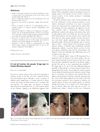
July 2015 in “British Journal of Dermatology” The pseudo 'fringe sign' can also appear in frontal fibrosing alopecia, not just in traction alopecia, showing that this condition may be more common than thought.
May 2023 in “Blood cancer discovery” Finasteride reduces AML cell growth by inhibiting androgen receptors.
 12 citations
,
July 2017 in “Journal of cosmetic dermatology”
12 citations
,
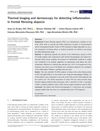
July 2017 in “Journal of cosmetic dermatology” Infrared thermography, especially with dermoscopy, improves accuracy in diagnosing active hair loss due to inflammation.
 1 citations
,
January 2022 in “European Journal of Pharmacology”
1 citations
,
January 2022 in “European Journal of Pharmacology” Riboflavin 5′-phosphate (FMN) shows potential for treating androgen-related conditions but may be limited in treating prostate cancer.
 8 citations
,
February 2019 in “Scientific Reports”
8 citations
,
February 2019 in “Scientific Reports” Immunofluorescence tomography is a cost-effective method for creating detailed 3-D images of tissues.
 8 citations
,
November 2018 in “Australasian Journal of Dermatology”
8 citations
,
November 2018 in “Australasian Journal of Dermatology” Frontal fibrosing alopecia in families shows similar signs to individual cases and may have a genetic link.
 155 citations
,
September 2008 in “British journal of dermatology/British journal of dermatology, Supplement”
155 citations
,
September 2008 in “British journal of dermatology/British journal of dermatology, Supplement” FFA is more common in postmenopausal women, can affect younger women, and may stabilize over time.
Early diagnosis and treatment of frontal fibrosing alopecia are crucial to prevent permanent hair loss.
 April 2020 in “Journal of The American Academy of Dermatology”
 SMAs improve patient satisfaction and may be cost-effective for female hair loss.
 33 citations
,
January 2010 in “Case reports in dermatology”
33 citations
,
January 2010 in “Case reports in dermatology” Dermoscopy helps diagnose frontal fibrosing alopecia by distinguishing it from other hair loss conditions.
17 citations
,
September 2022 in “Biomaterials Research” The film-trigger applicator improves microneedle skin delivery and drug efficiency using simple finger force.
2 citations
,
June 2021 in “Sultan Qaboos University medical journal” Familial frontal fibrosing alopecia is rare, mostly affects women, and often occurs between sisters or mother-daughter pairs.
 August 2015 in “Dermatología Argentina”
 Frontal fibrosing alopecia causes hairline recession and eyebrow loss in postmenopausal women.
 16 citations
,
February 2010 in “Journal of the European Academy of Dermatology and Venereology”
16 citations
,
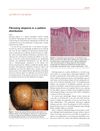
February 2010 in “Journal of the European Academy of Dermatology and Venereology” Fibrosing alopecia in a pattern distribution is a unique hair loss condition that may respond to antiandrogen therapy.
March 2005 in “Journal of the American Academy of Dermatology” Cosmetic treatments can replenish key amino acids in damaged hair, improving its strength and appearance.
 December 2023 in “International Journal of Medical Sciences And Clinical Research”
 Dermoscopy is a useful tool for diagnosing female pattern hair loss.
2 citations
,
January 2021 in “Journal of The American Academy of Dermatology” A simple scalp scraping can effectively distinguish fibrosing alopecia from androgenetic alopecia with seborrheic dermatitis.
 2 citations
,
October 2017 in “Journal of The American Academy of Dermatology”
2 citations
,
October 2017 in “Journal of The American Academy of Dermatology” Focal atrichia helps diagnose female pattern hair loss.
14 citations
,
January 2014 in “Indian Journal of Dermatology Venereology and Leprology” Frontal fibrosing alopecia can affect men's beards and leads to permanent hair loss.
 2 citations
,
December 2008 in “Clinical and Experimental Dermatology”
2 citations
,
December 2008 in “Clinical and Experimental Dermatology” A small forehead lesion led to the discovery of a significant brain arteriovenous malformation in a young girl.
13 citations
,
August 2013 in “International Journal of Dermatology” Frontal fibrosing alopecia can affect African men and may be underdiagnosed.
 December 2024 in “Brazilian Journal of Health Review”
 Early diagnosis of alopecia frontal fibrosante is crucial, but treatment remains controversial and varies.