 1 citations
,
March 2021 in “Dermatological reviews”
1 citations
,
March 2021 in “Dermatological reviews” AGA, a common hair loss, is caused by genetics, hormones, age, and environmental factors.
 1 citations
,
April 2017 in “Journal of Investigative Dermatology”
1 citations
,
April 2017 in “Journal of Investigative Dermatology” SM04554 may increase hair growth as a topical treatment for androgenetic alopecia.
 November 1972 in “PubMed”
 Antiandrogens can help treat female pattern hair loss.
 March 2024 in “Healthcare”
 Stem cell treatment improved life quality and sexual function in women with hair loss.
 4 citations
,
May 2002 in “Therapeutische Umschau”
4 citations
,
May 2002 in “Therapeutische Umschau” AGA treated with finasteride, minoxidil, and hair transplantation.
AGA is caused by genetics and androgens, treatable with finasteride and minoxidil.
 1 citations
,
December 2019 in “Dermatologic Therapy”
1 citations
,
December 2019 in “Dermatologic Therapy” Only anti-androgenic drugs likely halt AGA progression.
 July 2025 in “Journal of Education Health and Sport”
 Androgenetic alopecia may indicate higher risk for certain diseases and mental health issues.
 80 citations
,
January 1995 in “The American Journal of Medicine”
80 citations
,
January 1995 in “The American Journal of Medicine” Hair loss in androgenetic alopecia is caused by genetic factors and androgen excess, and can be treated with combined therapies.
 July 2023 in “Institutional Repositories DataBase (IRDB)”
 Malassezia species may contribute to hair loss in AGA patients.
 November 2025 in “Frontiers in Psychiatry”
 People with androgenetic alopecia often experience more anxiety, depression, and lower self-esteem.
January 2016 in “China Medical Abstracts(Dermatology)” Treat androgenetic alopecia early with recommended medications or consider hair grafts and wigs if unresponsive.
January 2016 in “프로그램북(구 초록집)” The growth factor cocktail with FGF9 significantly increased hair density and diameter in patients with androgenetic alopecia.
 August 2024 in “Quality in Sport”
 New treatments for common hair loss are needed.
 July 2026 in “Journal of Nanobiotechnology”
 The hydrogel helps treat hair loss by reducing harmful molecules and improving blood flow to hair follicles.
1 citations
,
January 2016 in “Journal of Contemporary Medicine” Androgenetic alopecia causes hair loss, affects men more severely, and treatments are only temporarily effective.
 12 citations
,
January 2005 in “Journal of Cosmetic Dermatology”
12 citations
,
January 2005 in “Journal of Cosmetic Dermatology” AGA affects many, progresses differently, and early treatment is crucial.
 July 2023 in “Journal of Cosmetic Dermatology”
 Practitioners treating hair loss need better education and resources to overcome challenges like commercial bias and ethical dilemmas.
 33 citations
,
August 2015 in “F1000Research”
33 citations
,
August 2015 in “F1000Research” New model shows muscle affects hair loss differently in men and women.
 7 citations
,
January 2016 in “Clinical Hemorheology and Microcirculation”
7 citations
,
January 2016 in “Clinical Hemorheology and Microcirculation” AGA patients have higher heart disease risk.
 1 citations
,
June 2017 in “Journal of The American Academy of Dermatology”
1 citations
,
June 2017 in “Journal of The American Academy of Dermatology” Topical treatment SM04554 safely promotes hair growth in male baldness.
 8 citations
,
November 2019 in “Dermatologic Clinics”
8 citations
,
November 2019 in “Dermatologic Clinics” AGA treatments like minoxidil and LLLLT are safe and effective for gender minority patients.
April 2023 in “Journal of Investigative Dermatology” In-person laser treatments help hair growth in androgenetic alopecia.
The arrector pili muscle plays a key role in hair loss in androgenetic alopecia.
January 2020 in “프로그램북(구 초록집)” The treatment increased hair growth and thickness in patients with hair loss.
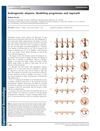 4 citations
,
April 2016 in “Experimental Dermatology”
4 citations
,
April 2016 in “Experimental Dermatology” AGA causes hair loss through follicle miniaturization and hair cycle changes; regrowth depends on anagen initiation in kenogen follicles.
 40 citations
,
May 1999 in “Journal of The European Academy of Dermatology and Venereology”
40 citations
,
May 1999 in “Journal of The European Academy of Dermatology and Venereology” Treat hair loss with finasteride, minoxidil, or surgery; consider side effects and severity.
 18 citations
,
February 2014 in “PubMed”
18 citations
,
February 2014 in “PubMed” Androgenetic alopecia is a common hair loss condition caused by testosterone effects on hair follicles, leading to thinner, shorter, and less pigmented hair, diagnosed using scalp dermoscopy and treated with topical minoxidil, antiandrogen agents, and 5-alpha reductase inhibitors.
January 2018 in “프로그램북(구 초록집)” No link between hair loss severity and PSA levels in men.