 June 2023 in “Skin Research and Technology”
 Using platelet-rich plasma injections and 5% minoxidil topically can safely and effectively treat mild-to-moderate male pattern baldness.
1 citations
,
December 2016 in “Rossijskij žurnal kožnyh i veneričeskih boleznej” A new treatment using unactivated platelet leukocyte autoplasma cured 80% of non-scarring alopecia patients.
 November 2023 in “Journal of Cosmetic Dermatology”
 Injecting a person's own fat into their scalp may help regrow hair and improve hair thickness in different types of hair loss.
The agouti gene may help understand and treat obesity.
 April 2019 in “Journal of Investigative Dermatology”
 Non-coding RNA boosts retinoic acid production and signaling, aiding regeneration.
 June 2025 in “Stem Cell Research & Therapy”
 Combining stem cells with ATP significantly boosts hair regrowth in mice with hair loss.
January 2019 in “DSpace@MIT (Massachusetts Institute of Technology)” Higher PHGDH levels cause unusual melanin buildup in hair follicles.
 28 citations
,
March 2010 in “British Journal of Dermatology”
28 citations
,
March 2010 in “British Journal of Dermatology” Genetic marker rs12558842 strongly linked to male hair loss.
 March 2026 in “Frontiers in Pharmacology”
 New treatments for hair loss show promise but need more testing for effectiveness and safety.
85 citations
,
March 2008 in “Journal of Cell Science” The mutation causing Hutchinson-Gilford progeria syndrome leads to severe skin problems and early death in mice.
 March 2009 in “International Journal of Dermatology”
 The androgen receptor gene doesn't help identify women likely to have female pattern hair loss.
 May 2026 in “Zenodo (CERN European Organization for Nuclear Research)”
 Androgenetic alopecia is common hair loss caused by genetics and hormones, with treatments mainly slowing it down.
 3 citations
,
December 2018 in “International Journal of Biomedicine”
3 citations
,
December 2018 in “International Journal of Biomedicine” Platelet rich plasma therapy significantly improves hair growth and increases the number of hair follicles in men with androgenetic alopecia.
 14 citations
,
March 2014 in “Journal of The European Academy of Dermatology and Venereology”
14 citations
,
March 2014 in “Journal of The European Academy of Dermatology and Venereology” Young adults with hair loss face higher risk of stiff arteries.
 2 citations
,
June 2017 in “Psychiatry and clinical psychopharmacology”
2 citations
,
June 2017 in “Psychiatry and clinical psychopharmacology” Stopping the antidepressant agomelatine improved hair loss in a patient.
 January 2024 in “International Journal of Trichology”
 Combining microneedling with glycosaminoglycan lotion may improve hair growth in mild androgenetic alopecia.
 November 2008 in “Medical Hypotheses”
 The conclusion suggests a new treatment for infantile hemangiomas and a potential target for hair loss treatment.
 29 citations
,
December 1998 in “Seminars in Cutaneous Medicine and Surgery”
29 citations
,
December 1998 in “Seminars in Cutaneous Medicine and Surgery” New treatments for hair loss show promise, especially finasteride for men and a stronger minoxidil formula.
May 2018 in “Endocrine Abstracts” SFRP-4 might be an early indicator of diabetes and hypertension in men with androgenic alopecia.
 October 2025 in “EMJ Dermatology”
 GLP-1RA therapy may increase the risk of hair loss.
 19 citations
,
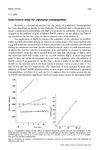
November 1971 in “Clinica Chimica Acta”
19 citations
,
November 1971 in “Clinica Chimica Acta” The document concludes that measuring γ-glutamyl transpeptidase activity is more accurate with a higher substrate concentration and using diluted acetic acid to stop the reaction.
 April 2026 in “Human Genome Variation”
 The MBTPS2 gene variant c.970+5G>A is a common mutation causing IFAP syndrome.
 25 citations
,
May 2020 in “Stem Cells Translational Medicine”
25 citations
,
May 2020 in “Stem Cells Translational Medicine” ADSC-CE treatment safely increases hair density and thickness in androgenetic alopecia patients.
February 2025 in “Brazilian Journal of Hair Health” Personalized multimodal treatment significantly improved hair growth and scalp coverage in androgenetic alopecia without side effects.

Platycladi Cacumen may help treat hair loss by targeting specific proteins and pathways.
 205 citations
,
April 2013 in “British Journal of Dermatology”
205 citations
,
April 2013 in “British Journal of Dermatology” Platelet-rich plasma treatment significantly increased hair regrowth and decreased discomfort in alopecia patients, making it a potentially better and safer treatment option.
December 2020 in “RUHS Journal of Health Science” PRP can help hair growth in some types of hair loss.
PRP therapy is promising for hair loss but needs standardized methods and personalization.
January 2018 in “Journal of Visualized Experiments” PRP injections significantly increased hair count and density with less pain.
35 citations
,
July 2010 in “The FEBS journal” The study found a specific peptide that helps detect TGase 3 activity in skin and hair follicles.