 18 citations
,
February 2018 in “International Journal of Molecular Sciences”
18 citations
,
February 2018 in “International Journal of Molecular Sciences” PGD2 increases androgen receptor activity in hair cells, which could be targeted to treat hair loss.
 September 2023 in “Journal of The American Academy of Dermatology”
 Adolescents with hair loss show different hormone levels by sex and often have related metabolic issues.
 5 citations
,
September 2012 in “The Journal of Urology”
5 citations
,
September 2012 in “The Journal of Urology” Early hair loss may indicate future prostate issues.
October 2018 in “International Journal of Research in Dermatology” People with androgenetic alopecia are more likely to have metabolic syndrome.

Proper medical treatments can control and even reverse female pattern hair loss, but it's important to check for related conditions like excessive male hormone production, especially in severe cases.
 3 citations
,
March 2017 in “Regulatory toxicology and pharmacology”
3 citations
,
March 2017 in “Regulatory toxicology and pharmacology” Aleglitazar and its major metabolite are safe enough to proceed to Phase 3 clinical trials.
 May 2013 in “Journal of the Egyptian Women's Dermatologic Society (Print)”
 High aldosterone and free testosterone levels link to female hair loss; testing aldosterone may predict hypertension risk.
 February 2010 in “Journal of The American Academy of Dermatology”
 Lower nitric oxide and higher fibrinogen found in hirsute women; impaired sexual function in 22.6% of hair loss patients, linked to psoriasis severity.
 42 citations
,
September 2007 in “The Journal of Clinical Endocrinology and Metabolism”
42 citations
,
September 2007 in “The Journal of Clinical Endocrinology and Metabolism” The research found that polycystic ovary syndrome (PCOS) has two distinct types, with one having more severe hormone and insulin issues.
 October 2020 in “Benha Journal of Applied Sciences”
 Troponin I may help detect heart problems in people with Androgenetic Alopecia.
 January 2023 in “Brazilian Journals Editora eBooks”
 HPLC may detect prediabetes and diabetes earlier than Immunoturbidimetry because it shows higher A1c levels.
 February 2009 in “Journal of The American Academy of Dermatology”
 AGA patients have higher rates of metabolic syndrome and carotid atheromatosis, suggesting early screening and prevention is important.
 7 citations
,
June 2019 in “Australasian Journal of Dermatology”
7 citations
,
June 2019 in “Australasian Journal of Dermatology” AGA in children needs careful diagnosis due to low androgen levels and possible other causes.
4 citations
,
August 2006 in “The Journal of Dermatology” HLA can be linked to autoimmune hepatitis.
 January 2005 in “Translational and Clinical Pharmacology”
 HDMHG0401-10 improves hair loss in men with androgenetic alopecia and has no major side effects.
 54 citations
,
December 2007 in “Best Practice & Research Clinical Endocrinology & Metabolism”
54 citations
,
December 2007 in “Best Practice & Research Clinical Endocrinology & Metabolism” Targeting glucocorticoid action might help treat type-2 diabetes, but human trials are needed.
 November 2024 in “Circulation”
 GLP1-RAs may have higher reports of suicide and hair loss, but no strong evidence links them to these issues.
 March 2026 in “Dermatology Online Journal”
 Androgenetic alopecia is linked to higher cholesterol in both sexes and obesity in women.
 December 2023 in “Benha Journal of Applied Sciences”
 AGEs and their receptors play a significant role in hair loss by causing inflammation and oxidative stress.
 3 citations
,
November 1999 in “Journal of Cutaneous Medicine and Surgery”
3 citations
,
November 1999 in “Journal of Cutaneous Medicine and Surgery” AGA is a genetic, hormonal hair loss treated with finasteride, minoxidil, and supplements, but new compounds are being developed.
 September 2025 in “Cureus”
 GLP-1 receptor agonists may cause hair loss, but more research is needed.
 12 citations
,
July 2021 in “Scientific Reports”
12 citations
,
July 2021 in “Scientific Reports” Glutamic acid helps increase hair growth in mice.
There's no clear link between female pattern hair loss, insulin resistance, and metabolic syndrome.
 September 2025 in “Cureus”
 GLP-1 agonists may help treat certain skin conditions.
 1 citations
,
June 2001 in “Annals of Internal Medicine”
1 citations
,
June 2001 in “Annals of Internal Medicine” Troglitazone increases subcutaneous fat in lipodystrophy patients.
 February 2024 in “Experimental Dermatology”
 IGFBP-rP1 could be a new treatment for a common type of hair loss.
 6 citations
,
October 2015 in “Clinical Case Reports”
6 citations
,
October 2015 in “Clinical Case Reports” A woman with acromegaly experienced severe hair loss from a drug called Lanreotide Autogel, which improved after stopping the treatment.
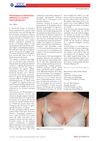 1 citations
,
August 2012 in “Journal der Deutschen Dermatologischen Gesellschaft”
1 citations
,
August 2012 in “Journal der Deutschen Dermatologischen Gesellschaft” A woman's hyperandrogenism was caused by a genetic mutation leading to non-classic adrenogenital syndrome.
 January 2009 in “대한피부과학회지”
 The conclusion is that more women in their forties are getting AGA and stress is linked to AGA in both men and women.
 56 citations
,
December 2011 in “The Plant Journal”
56 citations
,
December 2011 in “The Plant Journal” AGD1 is important for root hair development in Arabidopsis, working with phosphoinositide signaling and the actin cytoskeleton.