 295 citations
,
September 2006 in “Cell Cycle”
295 citations
,
September 2006 in “Cell Cycle” The conclusion is that using drugs to block the TOR pathway might slow aging and prevent age-related diseases.
 237 citations
,
February 2016 in “Science Translational Medicine”
237 citations
,
February 2016 in “Science Translational Medicine” The timing of when the gene Bmal1 is active affects aging and survival, with its absence during development, not adulthood, leading to premature aging.
152 citations
,
December 2003 in “Micron” As people age, their hair follicles produce less pigment, leading to gray and white hair, due to factors like reduced enzyme activity and damage to melanocyte DNA.
 143 citations
,
September 2008 in “Experimental gerontology”
143 citations
,
September 2008 in “Experimental gerontology” Skin aging is due to impaired stem cell mobilization or fewer responsive stem cells.
 122 citations
,
June 2020 in “Aging”
122 citations
,
June 2020 in “Aging” Older age and related diseases increase COVID-19 risk, but anti-aging treatments might help.
 99 citations
,
June 2005 in “Journal of Cosmetic Dermatology”
99 citations
,
June 2005 in “Journal of Cosmetic Dermatology” Hair ages due to genetics and environmental factors, leading to graying and thinning, with treatments available for some conditions.
 75 citations
,
March 2014 in “Journal of Investigative Dermatology”
75 citations
,
March 2014 in “Journal of Investigative Dermatology” Aging mice have slower hair regeneration due to changes in signal balance, but the environment, not stem cell loss, controls this, suggesting treatments could focus on environmental factors.
 75 citations
,
January 2009 in “International journal of trichology”
75 citations
,
January 2009 in “International journal of trichology” Hair grays due to oxidative stress and fewer functioning melanocytes.
 70 citations
,
July 2016 in “Aging”
70 citations
,
July 2016 in “Aging” Targeting dermal adipocytes may help combat skin aging.
60 citations
,
November 2023 in “Biology” Aging skin causes inflammation that affects the whole body.
55 citations
,
March 2010 in “Aging” Circadian clock genes are important for hair growth and may affect aging-related hair loss and graying.
50 citations
,
July 1996 in “Cell” Chromosomal changes, including those in the WRN gene and rDNA, may significantly contribute to aging.
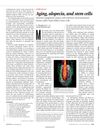 42 citations
,
February 2016 in “Science”
42 citations
,
February 2016 in “Science” The document concludes that both internal stem cell factors and external influences like the environment and hormones affect hair loss and aging, with potential treatments focusing on these areas.
40 citations
,
September 2010 in “Journal of Biological Chemistry” Keratin K80 is an ancient protein found in various tissues, important for cell structure and tissue differentiation.
38 citations
,
February 2021 in “Journal of Investigative Dermatology” Aging slows wound healing due to weaker cells and immune response.
 38 citations
,
June 2017 in “The Journal of Dermatology”
38 citations
,
June 2017 in “The Journal of Dermatology” Aging in hair follicle stem cells leads to hair graying, thinning, and loss.
36 citations
,
August 2022 in “Frontiers in Cell and Developmental Biology” Sebaceous glands age due to genetic and environmental factors, affecting sebum production and composition.
35 citations
,
May 2011 in “Experimental Dermatology” Aging causes changes in hair follicles, leading to weaker hair growth.
 27 citations
,
May 2016 in “Dermatologic Surgery”
27 citations
,
May 2016 in “Dermatologic Surgery” Male faces age with more wrinkles and hair loss, influenced by both body changes and environmental factors.
27 citations
,
March 2006 in “Journal of cosmetic dermatology” HRT helps improve skin issues caused by menopause.
 25 citations
,
November 2014 in “Ageing Research Reviews”
25 citations
,
November 2014 in “Ageing Research Reviews” Skin aging is caused by stem cell damage and can potentially be delayed with treatments like antioxidants and stem cell therapy.
23 citations
,
July 2020 in “Aging Cell” Aging changes sugar molecules on skin stem cells, which may affect their ability to repair skin.
 22 citations
,
July 2024 in “Archives of Plastic Surgery”
22 citations
,
July 2024 in “Archives of Plastic Surgery” Injectable skin boosters effectively rejuvenate aging skin by improving hydration and elasticity.
20 citations
,
August 2020 in “Advances in respiratory medicine” Old age, male sex, smoking, and obesity may affect COVID-19 severity, but more research is needed.
 20 citations
,
May 2020 in “Experimental Dermatology”
20 citations
,
May 2020 in “Experimental Dermatology” Aging scalp skin contributes to hair aging and loss, and more research is needed to develop better hair loss treatments.
 20 citations
,
July 2010 in “Skin Research and Technology”
20 citations
,
July 2010 in “Skin Research and Technology” Aging makes hair thinner and rougher, with less clear edges.
 17 citations
,
April 2023 in “Aging”
17 citations
,
April 2023 in “Aging” CNGA3, GLUD1, and SIRT1 are promising targets for treating aging and glioblastoma.
16 citations
,
January 2019 in “Aging” Lack of functional CYLD in mice leads to early aging and cancer.
 14 citations
,
December 2020 in “Journal of Investigative Dermatology”
14 citations
,
December 2020 in “Journal of Investigative Dermatology” Aging causes changes in the scalp that can affect hair growth and lead to older-looking hair in women.
 13 citations
,
March 2018 in “Journal of Sociology”
13 citations
,
March 2018 in “Journal of Sociology” The anti-ageing treatment market is growing by exploiting fears of ageing with unproven promises, which could harm public trust and genuine science.