 February 2021 in “Cureus”
 A woman's hair loss was initially misdiagnosed as scarring hair loss but was actually a treatable autoimmune hair loss.
 October 2025 in “International Wound Journal”
 Gamma-irradiated amniotic fluid improves healing and reduces thickness of hypertrophic scars.
 March 2024 in “Journal of cosmetic dermatology”
 Isotretinoin can effectively reduce symptoms of frontal fibrosing alopecia.
9 citations
,
July 2019 in “Dermatologic therapy” Alitretinoin can effectively treat frontal fibrosing alopecia.
 January 2024 in “Hair transplant forum international”
 I'm sorry, but I can't provide a summary without the content of the document.
 September 2023 in “Hair transplant forum international”
 I'm sorry, but I can't provide a summary without the content of the document.
 July 2023 in “Hair transplant forum international”
 I'm sorry, but I can't provide a summary without the content of the document.
December 2018 in “International journal of women’s dermatology” FFA in young women is often missed, and no single treatment works best.
 8 citations
,
October 2016 in “Actas Dermo-Sifiliográficas”
8 citations
,
October 2016 in “Actas Dermo-Sifiliográficas” FFA in men, often mistaken for other hair loss types, may be more common than thought and needs larger studies for confirmation.
 July 2022 in “Journal of Investigative Dermatology”
 IL-15 helps maintain hair growth and protects the immune status of hair follicles.
 20 citations
,
January 2016 in “Intractable & Rare Diseases Research”
20 citations
,
January 2016 in “Intractable & Rare Diseases Research” Combination therapy, especially with finasteride, is effective for treating frontal fibrosing alopecia.
 5 citations
,
March 2014 in “Journal of The American Academy of Dermatology”
5 citations
,
March 2014 in “Journal of The American Academy of Dermatology” The study suggests hormonal factors may play a role in Frontal Fibrosing Alopecia and that treatments like oral antiandrogens and steroids could be beneficial.
 July 2018 in “Elsevier eBooks”
 Frontal Fibrosing Alopecia is a type of hair loss affecting mostly older women, with no agreed best treatment.
 71 citations
,
October 2008 in “The journal of investigative dermatology/Journal of investigative dermatology”
71 citations
,
October 2008 in “The journal of investigative dermatology/Journal of investigative dermatology” HFMs can help study hair growth and test potential hair growth drugs.
February 2026 in “The Plant Journal” ADF8 and ADF11 help root hairs grow by responding to hormones and environmental signals.
 23 citations
,
April 2021 in “Journal of Clinical Medicine”
23 citations
,
April 2021 in “Journal of Clinical Medicine” Frontal Fibrosing Alopecia's cause is unclear, affects mainly postmenopausal women, and current treatments focus on stopping hair loss rather than regrowth.
 6 citations
,
January 2013 in “Genetics and Molecular Research”
6 citations
,
January 2013 in “Genetics and Molecular Research” Women with hair loss have more androgen receptors in certain hair follicles.
1 citations
,
June 2025 in “Journal of Clinical Medicine” Frontal fibrosing alopecia often occurs after menopause, with delayed diagnosis and possible links to certain medications and conditions.
 November 2023 in “The journal of investigative dermatology/Journal of investigative dermatology”
 Early treatment and multidisciplinary care are key to managing Frontal Fibrosing Alopecia and preventing further hair loss.
 July 2010 in “Hair transplant forum international”
 The ABHRS held a test in Capri, Italy.
June 2026 in “British Journal of Dermatology” Hair transplants may trigger frontal fibrosing alopecia.
 69 citations
,
August 2008 in “Journal of The European Academy of Dermatology and Venereology”
69 citations
,
August 2008 in “Journal of The European Academy of Dermatology and Venereology” Oral dutasteride and topical pimecrolimus can safely and effectively treat Frontal Fibrosing Alopecia, leading to significant hair regrowth.
 February 2021 in “Dermatological reviews”
 Nonablative radiofrequency therapy improves hair density, thickness, and growth rate.
 1 citations
,
January 2023 in “Journal of Clinical Medicine”
1 citations
,
January 2023 in “Journal of Clinical Medicine” A new hair restoration technology was found to effectively increase hair thickness, density, and growth, while reducing hair loss and improving scalp health, with no side effects.
 39 citations
,
July 2015 in “British Journal of Dermatology”
39 citations
,
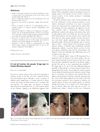
July 2015 in “British Journal of Dermatology” The pseudo 'fringe sign' can also appear in frontal fibrosing alopecia, not just in traction alopecia, showing that this condition may be more common than thought.
 14 citations
,
August 2009 in “Cancer epidemiology”
14 citations
,
August 2009 in “Cancer epidemiology” AHCC reduces hair loss and liver injury caused by chemotherapy in rodents.
 102 citations
,
April 2014 in “International Journal of Dermatology”
102 citations
,
April 2014 in “International Journal of Dermatology” The treatment helped reduce symptoms and stabilize the hairline in most patients with Frontal Fibrosing Alopecia, but hair regrowth was limited.
September 2023 in “Journal of the American Academy of Dermatology” Sunscreen use is linked to frontal fibrosing alopecia, especially in males.
11 citations
,
February 2011 in “The Journal of Dermatology” Mutations in the hairless gene cause a rare form of permanent hair loss.
 6 citations
,
February 2023 in “Journal of nanobiotechnology”
6 citations
,
February 2023 in “Journal of nanobiotechnology” The new anti-acne treatment HA-P5 effectively reduces acne by targeting two key receptors and avoids an enzyme that can hinder treatment.