August 2021 in “Journal of Investigative Dermatology” ILC1-like cells can cause alopecia areata by disrupting hair follicle immunity, suggesting a new treatment approach.
 3 citations
,
April 2019 in “The journal of investigative dermatology/Journal of investigative dermatology”
3 citations
,
April 2019 in “The journal of investigative dermatology/Journal of investigative dermatology” ILC1 cells contribute to hair loss in alopecia areata.
1 citations
,
August 2021 in “Journal of Investigative Dermatology” ASLAN004 was safe and well-tolerated, supporting further development for treating certain diseases.
1 citations
,
November 2023 in “SKIN The Journal of Cutaneous Medicine” April 2020 in “The Aesthetics” LED-LLLT helps heal wounds, reduce pain, and regrow hair using specific light wavelengths.
Poly-L-lactic acid injections can cause hair loss and skin issues.
June 2025 in “British Journal of Dermatology” Ruxolitinib helped a woman with a genetic mutation regrow her hair and improved her health.
1 citations
,
December 2020 in “Medical lasers” The laser therapy device effectively increased hair growth in people with androgenetic alopecia.
 87 citations
,
December 2016 in “British journal of dermatology/British journal of dermatology, Supplement”
87 citations
,
December 2016 in “British journal of dermatology/British journal of dermatology, Supplement” Cancer patients treated with immune checkpoint inhibitors may develop alopecia, but some hair regrowth is possible with treatment.
 2 citations
,
November 2015 in “Endocrinology, Diabetes & Metabolism Case Reports”
2 citations
,
November 2015 in “Endocrinology, Diabetes & Metabolism Case Reports” A man with X-ALD improved after treatment, highlighting the need to consider X-ALD in similar patients and test their relatives.
 May 2026 in “Journal of Asia Pacific Aesthetic Sciences”
 Low-dose intralesional corticosteroid treatment led to rapid hair regrowth in localized alopecia areata.
 23 citations
,
September 2019 in “Dermatology practical & conceptual”
23 citations
,
September 2019 in “Dermatology practical & conceptual” The study concluded that AAI and DAA are forms of the same disease, with different symptoms in men and women, and that corticosteroid treatment is effective.
 June 2011 in “International Journal of Dermatology”
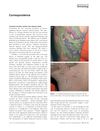
 A man's red tattoo caused a skin reaction and hair loss in his beard, which improved after treatment.
Donor lymphocyte infusions effectively treated leukemia relapse but caused vitiligo and alopecia areata.
Baricitinib may effectively treat oral lichen planus.
 14 citations
,
November 2011 in “Journal of The American Academy of Dermatology”
14 citations
,
November 2011 in “Journal of The American Academy of Dermatology” Alopecia Areata Incognita causes widespread hair thinning, and treatment with systemic corticosteroids and psychiatric support can lead to remission.
June 2025 in “British Journal of Dermatology” Dual-targeting therapies like Janus kinase inhibitors may treat both alopecia areata and other immune diseases.
 January 2024 in “American journal of clinical dermatology”
 Ritlecitinib is safe and well-tolerated for treating alopecia areata in patients aged 12 and older.
1 citations
,
January 2015 in “Hair transplant forum international” Strict regulations may slow down new LLLT treatments.
 5 citations
,
January 2017 in “Skin appendage disorders”
5 citations
,
January 2017 in “Skin appendage disorders” A man developed an allergic skin reaction from a therapy cap used for hair loss treatment.
 October 2024 in “Canadian Journal of Health Technologies”
 Olumiant should be covered for severe alopecia areata if certain conditions are met.
 8 citations
,
July 2020 in “Medicine”
8 citations
,
July 2020 in “Medicine” Helmet-like device safely increases hair density for people with hair loss.
 1 citations
,
July 2025 in “SKIN The Journal of Cutaneous Medicine”
1 citations
,
July 2025 in “SKIN The Journal of Cutaneous Medicine” Ritlecitinib is effective and safe for long-term treatment of alopecia areata.
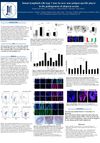
Innate lymphoid cells type 1 may contribute to alopecia areata by damaging hair follicles.
26 citations
,
September 2009 in “Clinical genetics” Arab APS1 patients have unique and recurrent AIRE gene mutations.
36 citations
,
January 2010 in “International Journal of Trichology” Intralesional steroids can help regrow hair in some alopecia areata patients but have side effects.
Farudodstat may effectively treat alopecia areata by protecting hair follicles without harmful effects.
 1 citations
,
March 2024 in “Skin health and disease”
1 citations
,
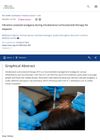
March 2024 in “Skin health and disease” Vibration assisted analgesia reduces pain during corticosteroid therapy for alopecia.
New drugs, baricitinib and ritlecitinib, are effective for severe alopecia areata.