4 citations
,
January 1988 in “Cosmetics and toiletries” 0.1% piroctone olamine in hair tonics effectively treats dandruff.
October 2022 in “The Egyptian Journal of Hospital Medicine” Methotrexate and azathioprine can help treat alopecia areata.
 53 citations
,
January 2014 in “Journal of Cutaneous and Aesthetic Surgery”
53 citations
,
January 2014 in “Journal of Cutaneous and Aesthetic Surgery” Microneedling combined with triamcinolone can safely stimulate faster hair regrowth in people with Alopecia Areata.
 June 2022 in “C&EN global enterprise”
 The drug Olumiant is now approved to treat severe hair loss from alopecia and can also be used for some hospitalized COVID-19 patients.
September 2023 in “Journal of the American Academy of Dermatology” Methylprednisolone treatment helps most alopecia areata patients, but young age, extensive hair loss, and low vitamin D can affect results.
23 citations
,
October 2020 in “Anais brasileiros de dermatologia/Anais Brasileiros de Dermatologia” Tailored treatments for alopecia areata are recommended based on severity and patient needs.
 17 citations
,
December 2001 in “Dermatologic therapy”
17 citations
,
December 2001 in “Dermatologic therapy” Different treatments for alopecia areata have unpredictable results and varying success rates.
21 citations
,
March 2002 in “PubMed” High-dose steroid pulse therapy effectively regrows hair in severe multifocal alopecia areata.
 48 citations
,
January 2011 in “International journal of trichology”
48 citations
,
January 2011 in “International journal of trichology” Intralesional triamcinolone acetonide is the most effective treatment for localized alopecia areata.
3 citations
,
January 2011 in “Yearbook of Dermatology and Dermatologic Surgery” February 2026 in “Cureus” Crisaborole may help regrow hair in children with alopecia areata.
 1 citations
,
December 2020 in “Dermatology Archives”
1 citations
,
December 2020 in “Dermatology Archives” Systemic steroids temporarily improve severe alopecia areata in children but often lead to relapse.
 February 2026 in “Biomedicines”
 Off-label treatments are heavily used for alopecia areata due to limited approved options.
March 2020 in “QJM: An International Journal of Medicine” Standard intralesional corticosteroids are the best treatment for patchy alopecia areata.
Phytotherapy offers a safer alternative for managing hair loss with fewer side effects.
 May 2023 in “Journal of managed care & specialty pharmacy”
 Alopecia areata causes hair loss and life quality issues; current treatments are often unsatisfactory, but new drugs like JAK inhibitors show promise.
 September 2022 in “Journal of Ayub Medical College Abbottabad”
 Steroid injections are more effective than platelet rich plasma for treating patchy hair loss.

Higher doses of prednisone and triamcinolone acetonide successfully treated 8 out of 10 alopecia totalis patients.
October 2023 in “The Open Dermatology Journal” Baricitinib is effective for severe alopecia areata with manageable side effects, mainly upper respiratory infections.
86 citations
,
December 2002 in “Tissue Antigens” A specific gene change is linked to severe hair loss.
December 2018 in “UNIFESP Institutional Repository (Universidade Federal de São Paulo)” Minoxidil 5% helps with patchy alopecia areata, but more research is needed.
 12 citations
,
August 2020 in “JEADV. Journal of the European Academy of Dermatology and Venereology/Journal of the European Academy of Dermatology and Venereology”
12 citations
,
August 2020 in “JEADV. Journal of the European Academy of Dermatology and Venereology/Journal of the European Academy of Dermatology and Venereology” Azathioprine is the most continued treatment for chronic alopecia areata over a year, often with added low-dose prednisolone.
November 2024 in “Journal of the Philippine Dermatological Society” Combining methotrexate and corticosteroids can effectively regrow hair in severe alopecia areata.
114 citations
,
October 2006 in “Journal of the European Academy of Dermatology and Venereology” The new clobetasol propionate foam is effective and safe for treating alopecia areata.
Topical minoxidil, intralesional steroids, and cryotherapy significantly improve alopecia areata.
January 2024 in “Acta dermato-venereologica”  April 2023 in “Journal of Pakistan Medical Association”
 Baricitinib is effective in promoting hair growth in severe alopecia areata.
 26 citations
,
October 2020 in “Pediatric Dermatology”
26 citations
,
October 2020 in “Pediatric Dermatology” Oral tofacitinib may effectively treat hair loss in children with alopecia areata.
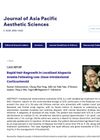 May 2026 in “Journal of Asia Pacific Aesthetic Sciences”
 Low-dose intralesional corticosteroid treatment led to rapid hair regrowth in localized alopecia areata.
 80 citations
,
November 1975 in “Acta dermato-venereologica”
80 citations
,
November 1975 in “Acta dermato-venereologica” Large doses of glucocorticoids are not suitable for general use in treating severe alopecia areata due to inconsistent results and risks.