January 2023 in “Mansoura Medical Journal” Higher ischemia-modified albumin levels are linked to acne severity.
2 citations
,
January 2022 in “Actas Dermo-Sifiliográficas” Dermoscopy can effectively identify Malassezia folliculitis.
December 2004 in “Microbial Ecology in Health and Disease” Pityriasis amiantacea is linked to Staphylococcus aureus infection and can be effectively treated with antibiotics, corticosteroids, and coal tar.
11 citations
,
January 2010 in “Journal of oral and maxillofacial surgery”  10 citations
,
September 1997 in “Molecular carcinogenesis”
10 citations
,
September 1997 in “Molecular carcinogenesis” Mirex seems to promote a unique group of skin cells different from those affected by another tumor promoter, TPA.
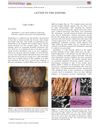
November 2023 in “Journal of Investigative Dermatology” Inhibiting EGFR weakens skin's defense against bacteria.
 1 citations
,
February 2018 in “Australasian journal of dermatology”
1 citations
,
February 2018 in “Australasian journal of dermatology” Advanced imaging techniques are crucial for accurately diagnosing Monilethrix, a rare hair disorder.
 1 citations
,
July 2023 in “Cureus”
1 citations
,
July 2023 in “Cureus” A rare hair disorder with multiple hairs from one follicle was found on a patient's abdomen.
7 citations
,
April 2000 in “Mammalian Genome” A new mutation in mice causes crooked whiskers and messy hair.
 February 2026 in “Journal of Microbiology and Biotechnology”
 Abietic acid from pine rosin can effectively fight and reduce harmful skin microbes.
 December 2025 in “Cureus”
 Zinc supplements effectively treat inherited zinc deficiency in infants.
March 2026 in “International Journal of Dermatology” Changes in scalp microbes may contribute to hair loss, suggesting new treatment options.
2 citations
,
September 1998 in “Der Hautarzt” A gene mutation causes a rare hereditary hair loss, offering potential for new treatments.
69 citations
,
May 2002 in “Journal of Investigative Dermatology” Congenital atrichia with papular lesions is often misdiagnosed, and new diagnostic criteria can improve accuracy.
July 2025 in “Journal of Investigative Dermatology” Candida auris uses the immune response to colonize hair follicles.
 1 citations
,
March 2004 in “Journal of the American Academy of Dermatology”
1 citations
,
March 2004 in “Journal of the American Academy of Dermatology” Certain genes are linked to the risk of developing Alopecia Areata.
 23 citations
,
January 2005 in “Nihon Ishinkin Gakkai zasshi”
23 citations
,
January 2005 in “Nihon Ishinkin Gakkai zasshi” Nested PCR can reliably identify fungal infections when traditional methods fail.
2 citations
,
January 2024 in “Revista Paulista de Pediatria” A rare genetic mutation caused severe symptoms in a 6-year-old girl with mandibuloacral dysplasia type A.
 April 2026 in “Zenodo (CERN European Organization for Nuclear Research)”
 Microbes in the small intestine may cause Post-Finasteride Syndrome symptoms.
 June 2025 in “Microorganisms”
 Microbial imbalances in hair follicles may contribute to hair loss, especially in women.
 February 2026 in “International Journal of Molecular Sciences”
 Muscarinic acetylcholine receptors in skin cells help regulate and promote hair growth.
2 citations
,
May 2014 in “BMC Infectious Diseases” HIV-positive men who have sex with men have a higher rate of anal beta-papillomavirus infections.
 4 citations
,
September 2017 in “International research journal of pharmacy”
4 citations
,
September 2017 in “International research journal of pharmacy” Banana bract extract might treat bacterial infections and help reduce waste.
Changes in skin bacteria may relate to alopecia areata severity.
 6 citations
,
January 2013 in “Case reports in endocrinology”
6 citations
,
January 2013 in “Case reports in endocrinology” The document concludes that AFA should be considered in patients with acromegaly-like features but normal hormone levels, and more cases need to be identified to understand the condition fully.
 31 citations
,
May 2021 in “Journal of endocrinological investigation”
31 citations
,
May 2021 in “Journal of endocrinological investigation” APS-1 in Italy shows diverse AIRE mutations and various autoimmune issues.
 July 2021 in “Journal of dermatology research and therapy”
 Using combined treatments can help manage acne by targeting the bacteria and skin changes that cause it.
November 2022 in “Frontiers in pediatrics” A girl with skin rashes and low zinc levels improved with zinc supplements and had new gene mutations linked to her condition.
6 citations
,
January 1997 in “Pediatric dermatology” The case suggests a possible link between severe acne and certain bone deformities.
9 citations
,
February 2002 in “International Journal of Dermatology” The patient's symptoms improved with treatment but recurred when the steroid dose was reduced, requiring ongoing therapy.