19 citations
,
January 2022 in “Journal of Nanomaterials” NH-Tween-80 is a promising stable gel for treating acne.
38 citations
,
April 2016 in “The Journal of Pathology” Alkaline ceramidase 1 is crucial for healthy skin and energy balance.
 53 citations
,
January 2014 in “Journal of Cutaneous and Aesthetic Surgery”
53 citations
,
January 2014 in “Journal of Cutaneous and Aesthetic Surgery” Microneedling combined with triamcinolone can safely stimulate faster hair regrowth in people with Alopecia Areata.
November 2025 in “Journal of Investigative Dermatology” Chronic refractory alopecia areata has more skin-resident memory T cells, and JAK inhibitors may help reduce them.
June 2025 in “British Journal of Dermatology” Dual-targeting therapies like Janus kinase inhibitors may treat both alopecia areata and other immune diseases.
 1 citations
,
March 2004 in “Journal of the American Academy of Dermatology”
1 citations
,
March 2004 in “Journal of the American Academy of Dermatology” ZD1839, a cancer drug, can cause mild skin rashes that are treatable without stopping the medication.

Hair intradermotherapy effectively treats hair loss and boosts self-esteem.
1 citations
,
February 2020 in “The Journal of clinical investigation/The journal of clinical investigation” Certain cancer drugs interact with skin bacteria to cause acne-like rashes.
 3 citations
,
July 2015 in “Australasian Journal of Dermatology”
3 citations
,
July 2015 in “Australasian Journal of Dermatology” A man developed an allergic skin reaction to a rosacea treatment and improved after stopping the medication and receiving allergy-specific care.
 December 2016 in “Journal of Evolution of Medical and Dental Sciences”
 Chronic Acrodermatitis Enteropathica can persist into adulthood and requires careful zinc treatment.
22 citations
,
March 1999 in “International Journal of Clinical Practice” Diphencyprone (DCP) is an effective treatment for severe alopecia areata and resistant warts, with some risks.
68 citations
,
January 2014 in “Dermatology research and practice” Skin side effects from cancer drugs targeting EGFR can affect treatment adherence but can be managed with antibiotics like tetracycline.
 35 citations
,
January 2013 in “Indian Journal of Dermatology, Venereology and Leprology”
35 citations
,
January 2013 in “Indian Journal of Dermatology, Venereology and Leprology” Intralesional triamcinolone acetonide is effective for treating patchy hair loss, and dermoscopy helps detect treatment response and side effects early.
12 citations
,
May 2016 in “British Journal of Dermatology” A 6-year-old boy's skin condition improved after stopping a specific treatment and starting new medications.
 3 citations
,
July 2017 in “International journal of medicine”
3 citations
,
July 2017 in “International journal of medicine” Intralesional triamcinolone acetonide effectively treats alopecia areata, as shown by significant improvements in hair regrowth and dermoscopic indicators.
June 2025 in “British Journal of Dermatology” Better diagnostic and treatment strategies are needed for acne keloidalis nuchae, especially in high-risk groups.
 April 2024 in “Meždunarodnyj vestnik veterinarii”
 Deltsid 7.5 is the most effective treatment for bovine psoroptosis.
 April 2024 in “Dermatovenerologiâ, kosmetologiâ”
 Actinic keratosis is a sun-induced skin condition that can potentially turn into skin cancer and requires treatment to prevent malignancy.
 April 2026 in “Inflammation and Regeneration”
 AKR1C enzymes in scalp glands decrease with age, possibly affecting hair loss.
8 citations
,
June 2023 in “European Journal of Endocrinology” The inhibitor affects androgen metabolism but not ovarian function.
21 citations
,
December 1994 in “Journal of Investigative Dermatology” 4 citations
,
February 2024 in “Anais Brasileiros de Dermatologia”  6 citations
,
October 2014 in “Experimental Dermatology”
6 citations
,
October 2014 in “Experimental Dermatology” Prostaglandins and the enzyme AKR1C3 could play a role in skin cancer and hair loss, and further research is needed to understand these mechanisms.
1 citations
,
September 2025 in “JAAD reviews.” Janus kinase inhibitors are effective for severe alopecia areata, promoting hair regrowth.
 December 2024 in “Indian Journal of Dermatology”
 Dermoscopy is useful for diagnosing Atrichia with Papular Lesions in children without needing a biopsy.
1 citations
,
January 2022 in “Skin appendage disorders” DCPA is a chronic skin condition affecting the legs, often misdiagnosed, and needs more research for better understanding and treatment.
32 citations
,
May 1986 in “Archives of Dermatology” The condition is likely inherited in an autosomal-dominant pattern.
8 citations
,
January 2024 in “Journal of Materials Chemistry B” ADM hydrogels help heal radiation skin injuries.
 November 2025 in “SKIN The Journal of Cutaneous Medicine”
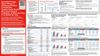
 Baricitinib works better in adolescents than adults for treating severe alopecia areata.
 March 2024 in “Ukraïnsʹkij žurnal dermatologìï, venerologìï, kosmetologìï”
 Topical retinoids are important for treating acne effectively and safely.