
Baricitinib is more effective than tofacitinib for hair regrowth in alopecia patients.
April 2023 in “The journal of investigative dermatology/Journal of investigative dermatology” MEF2C is crucial for normal hair cycle progression.
 June 2026 in “Current Oncology Reports”
 Sacituzumab Tirumotecan shows promise in treating gynecologic cancers with manageable side effects.
2 citations
,
March 1964 in “Archives of Dermatology” Different doses of triamcinolone injections work equally well for skin conditions.
5 citations
,
September 2019 in “Medical Sains Jurnal Ilmiah Kefarmasian” The gel with green tea and gotukola may help hair growth.
 July 2025 in “Journal of Cosmetic Dermatology”
 Alternative treatments are needed when Tofacitinib alone fails for alopecia areata.
 301 citations
,
May 1998 in “Genes & Development”
301 citations
,
May 1998 in “Genes & Development” Ets2 gene is crucial for placental development in mice.
6 citations
,
June 2025 in “Nano Biomedicine and Engineering” Smart nano-PROTACs improve cancer treatment by targeting proteins more precisely and reducing side effects.
2 citations
,
April 2025 in “Journal of Investigative Dermatology” T cells affect skin cell genes in inflammatory diseases, and therapy can normalize these changes.
 November 2022 in “The journal of investigative dermatology/Journal of investigative dermatology”
 The study found markers indicating that cells responsible for hair color are differentiating in specific areas of the hair follicle.
A lotion with tretinoin, minoxidil, and betamethasone valerate helped treat a woman's skin infection.
34 citations
,
September 2010 in “Clinical and Experimental Dermatology” A new gene mutation linked to KID syndrome was found, expanding genetic knowledge.
6 citations
,
January 2016 in “Open journal of regenerative medicine” Keratin treatment reduces astrocyte reactivity and inflammation.
30 citations
,
August 2008 in “The journal of investigative dermatology/Journal of investigative dermatology” TGase 3 helps build hair structure by forming strong bonds between proteins.
 December 2025 in “Nature Communications”
 Skin organoids can model tuberculosis infection and help test treatments.
1 citations
,
February 2013 in “InTech eBooks” LEKTI is crucial for skin barrier and immune function, affecting conditions like Netherton syndrome and atopic dermatitis.
1 citations
,
January 2008  March 2025 in “Journal of Science Natural Science”
 Acetyl tetrapeptide-3 was successfully made for use in hair loss treatments.
75 citations
,
September 1971 in “British Journal of Dermatology” Both steroids effectively promote hair growth for at least 9 months.
 86 citations
,
August 2011 in “Toxicological sciences”
86 citations
,
August 2011 in “Toxicological sciences” TCDD speeds up skin barrier formation by increasing certain gene expressions.
265 citations
,
March 1993 in “The EMBO Journal” Keratinocyte growth factor significantly alters skin and tissue development.
8 citations
,
December 2003 in “Experimental Dermatology” Altering the keratin 17 gene in mice hair follicles caused temporary hair issues, but changes were minimal and short-lived.
November 2025 in “Journal of Medicinal Chemistry” Topical PROTACs show promise for treating skin conditions but need better stability and delivery methods.
KRTAP6 genes affect wool quality in sheep.
10 citations
,
January 2023 in “Annals of Dermatology” The guidelines recommend effective systemic treatments for alopecia areata in Korea.
January 1975 in “NJEA Review” The drug showed promise in treating renal cell carcinoma with manageable side effects.
 1 citations
,
January 1997 in “Skin research”
1 citations
,
January 1997 in “Skin research” Hinokitiol and pantothenylethylether in hair products can cause strong allergic reactions.
 November 2017 in “Asian journal of pharmaceutical and clinical research”
 Three compounds from Dadap leaves may help treat hair loss.
January 2007 in “Frontiers in Medicine” Tofacitinib works well for treating alopecia areata, especially when combined with corticosteroids, but is less effective if the disease has lasted over 2 years.
 41 citations
,
December 2015 in “JAMA Dermatology”
41 citations
,
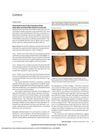
December 2015 in “JAMA Dermatology” Tofacitinib citrate improved nail dystrophy and pain in patients with alopecia universalis without causing side effects.