January 2016 in “프로그램북(구 초록집)” The thulium laser and PDRN injections effectively improved hair thickness in patients with pattern hair loss.
 November 2022 in “Nihon Nyuusankin Gakkaishi/Nihon Nyūsankin Gakkaishi”
 The lotion with N793 strain significantly increased hair density and reduced hair loss safely.
 7 citations
,
March 2012 in “Journal of Investigative Dermatology”
7 citations
,
March 2012 in “Journal of Investigative Dermatology” Some thymic peptides can increase human hair growth, while others may inhibit it.
 1 citations
,
September 2023
1 citations
,
September 2023 Tridax procumbens and ginger juice together protect the liver from paracetamol damage.
 August 1994 in “Journal of dermatological science”
 Mouse hair cells respond to male hormones by growing less, and this can be stopped by certain blockers.
 May 2024 in “Journal of molecular structure”
 A new compound, 3a, effectively fights prostate cancer better than finasteride.
6 citations
,
January 2010 in “Journal of Biochemical and Molecular Toxicology” The ID2 gene can help distinguish between sensitizers and irritants in skin cells.
January 2023 in “Indian Dermatology Online Journal” A 23-year-old man has a benign, non-progressive hair loss patch that doesn't respond to treatment but can be cosmetically treated.
January 2010 in “프로그램북(구 초록집)” January 2021 in “Indonesian Journal on Medical Science” The hair tonic with aloe vera and celery was successfully made, with the first formula being the most stable.
A new 3D breast tumor model helps test drug effects more accurately than traditional methods.
79 citations
,
June 1993 in “Molecular and Cellular Biology” The K5 promoter controls gene expression in skin cells, with specific DNA segments crucial for targeting and regulation.
 3 citations
,
May 2025 in “Cell Death and Disease”
3 citations
,
May 2025 in “Cell Death and Disease” Targeting METTL1 may help slow papillary thyroid cancer growth and spread.
 January 2024 in “Inflammation and regeneration”
 Th22 cells are essential for Tβ15-induced hair growth in mice.
79 citations
,
December 1999 in “Mechanisms of Development” Whn is crucial for hair growth in certain areas by controlling a specific gene.
13 citations
,
December 2009 in “Journal of the Peripheral Nervous System” TRPA1 and TRPV1 channels don't affect mechanotransduction in rat sinus hair follicles.
3 citations
,
August 2022 in “International Journal of Molecular Sciences” TSC2-/meth cells can cause skin lesions, hair growth, and lung issues, and may be treated with chromatin remodeling agents.
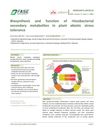 November 2025 in “Frontiers of Agricultural Science and Engineering”
 Rhizobacterial strain RT3 helps lettuce survive drought by producing protective substances like proline.
 November 2023 in “Scientific Reports”
 A gene mutation in Lama3 is linked to a common type of hair loss.
 February 2006 in “Journal of The American Academy of Dermatology”
 Terbinafine is more effective than itraconazole for toenail fungus, especially in older patients, and debridement improves its effectiveness.
 30 citations
,
February 2017 in “Histochemistry and Cell Biology”
30 citations
,
February 2017 in “Histochemistry and Cell Biology” TPA promotes hair growth by increasing stem cell activity and activating specific cell signals.
47 citations
,
September 2004 in “Journal of Biological Chemistry” Hoxc13 regulates specific hair protein genes on mouse chromosome 16.
April 2012 in “Neuropediatrics” Trichothiodystrophy is a rare genetic disorder causing hair issues and sometimes linked to DNA repair defects.
 July 2022 in “SKIN The Journal of Cutaneous Medicine”
 A new lotion with halobetasol and tazarotene successfully treats acne keloidalis nuchae.
April 2021 in “Journal of Investigative Dermatology” Early-stage skin substitutes improve wound healing and skin structure.
15 citations
,
January 1993 in “DNA sequence” KRT2.13 gene is similar to KRT2.9 but not expressed in hair follicles.

Dual TCR Treg cells are common in various mouse tissues and show diverse characteristics.
 January 2005 in “Seibutsu Butsuri/Seibutsu butsuri”
 Chemical treatments damage hair more than UV exposure, making it thinner and less flexible.
 2 citations
,
April 2007 in “Journal of Labelled Compounds and Radiopharmaceuticals”
2 citations
,
April 2007 in “Journal of Labelled Compounds and Radiopharmaceuticals” The conclusion is that tritium-labeled testosterone metabolites can be made and are better converted into dihydrotestosterone in skin cells than in prostate tissue.