 October 2024 in “Canadian Journal of Health Technologies”
 Olumiant should be covered for severe alopecia areata if certain conditions are met.
Ritlecitinib significantly regrows scalp hair in people with alopecia areata.
11 citations
,
May 2022 in “Chinese medicine” Alpinetin helps grow hair by turning on hair stem cells and is safe for use.
4 citations
,
October 2024 in “Journal of the American Academy of Dermatology” Abrocitinib may help treat alopecia areata effectively with mild side effects.
1 citations
,
April 2017 in “Journal of Investigative Dermatology” Abatacept may help some people with alopecia areata regrow hair.
June 2025 in “Revista Foco” JAK inhibitors effectively treat severe alopecia areata with manageable side effects.
 2 citations
,
July 2023 in “Journal of cosmetic dermatology”
2 citations
,
July 2023 in “Journal of cosmetic dermatology” JAK inhibitors are more effective and safer for treating alopecia areata than dupilumab and apremilast.
29 citations
,
December 2019 in “Expert review of clinical pharmacology” JAK inhibitors are a promising new treatment for hair loss and nail problems in alopecia areata.
February 2025 in “Skin Appendage Disorders” Upadacitinib helps most people with alopecia regrow hair quickly and is generally safe.
 March 2026 in “Clinical Cosmetic and Investigational Dermatology”
 Upadacitinib improved multiple immune-related conditions in one patient.

Olumiant® (Baricitinib) is effective for treating hair loss from Alopecia Areata.
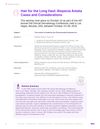 December 2025 in “Dermatology The American Medical Journal”
 JAK inhibitors are effective for long-term management of alopecia areata.
 66 citations
,
December 2018 in “Dermatology”
66 citations
,
December 2018 in “Dermatology” Both ruxolitinib and tofacitinib are effective and safe for treating severe alopecia areata, but relapses are common.
 April 2023 in “The journal of investigative dermatology/Journal of investigative dermatology”
 Ritlecitinib significantly improves scalp hair regrowth in alopecia areata patients over time.
September 2023 in “Journal of the American Academy of Dermatology” Oral Janus kinase inhibitors are effective for treating alopecia areata in adults.
11 citations
,
February 2022 in “JAAD case reports” Abrocitinib, a JAK inhibitor, may help treat atopic dermatitis and alopecia universalis together.
 December 2023 in “Journal of Ayub Medical College Abbottabad”
 Ritlecitinib effectively treats alopecia areata in patients 12 and older with fewer side effects.
November 2024 in “SKIN The Journal of Cutaneous Medicine” Ritlecitinib effectively reduces severe hair loss in alopecia areata over 24 months.
5 citations
,
May 2024 in “Journal of Allergy and Clinical Immunology Global” Upadacitinib effectively improved severe atopic dermatitis and alopecia universalis in a 29-year-old man.
 January 2024 in “American journal of clinical dermatology”
 Ritlecitinib is safe and well-tolerated for treating alopecia areata in patients aged 12 and older.
February 2026 in “The Journal of Dermatology” Ritlecitinib effectively regrows scalp, eyebrow, and eyelash hair in Asians with alopecia areata and is safe.
 March 2026 in “The American Journal of Managed Care”
 JAK inhibitors can help treat alopecia areata but have risks and high costs.
 5 citations
,
June 2019 in “British Journal of Dermatology”
5 citations
,
June 2019 in “British Journal of Dermatology” Tofacitinib was more effective than apremilast in treating hair loss in a mouse model of alopecia areata.
 1 citations
,
April 2006 in “International Journal of Oncology”
1 citations
,
April 2006 in “International Journal of Oncology” Lysocellin helps stop cell damage from etoposide and may prevent hair loss.
January 2026 in “Annals of Dermatology” Alitretinoin may help treat mild to moderate alopecia areata.
10 citations
,
August 2019 in “European Journal of Dermatology” The document did not conclude on apremilast's effectiveness for severe alopecia areata.
1 citations
,
November 2025 in “Journal of the American Academy of Dermatology” 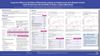 1 citations
,
July 2025 in “SKIN The Journal of Cutaneous Medicine”
1 citations
,
July 2025 in “SKIN The Journal of Cutaneous Medicine” Ritlecitinib is effective and safe for long-term treatment of alopecia areata.
 23 citations
,
September 2017 in “Journal of the American Academy of Dermatology”
23 citations
,
September 2017 in “Journal of the American Academy of Dermatology” Apremilast did not work for treating severe alopecia areata.
1 citations
,
September 2025 in “JAAD reviews.” Janus kinase inhibitors are effective for severe alopecia areata, promoting hair regrowth.