5 citations
,
March 2020 in “Thoracic Cancer” CT-707 is effective and safe for treating certain Chinese lung cancer patients.
 4 citations
,
April 2016 in “Journal of The American Academy of Dermatology”
4 citations
,
April 2016 in “Journal of The American Academy of Dermatology” A patient with advanced kidney cancer and no hepatitis C developed skin inflammation due to a drug called interferon alpha-2a.
October 2025 in “Figshare” Deuruxolitinib effectively treats alopecia areata but may cause manageable side effects.
 1 citations
,
July 2019 in “Clinical Rheumatology”
1 citations
,
July 2019 in “Clinical Rheumatology” Leflunomide is more likely to help treat alopecia areata than cause it.
14 citations
,
July 2021 in “Anais brasileiros de dermatologia/Anais Brasileiros de Dermatologia” Interleukin levels are higher in alopecia areata patients but don't predict disease severity or duration.
Alkylating agents can kill cancer cells but may cause skin and allergic reactions.
1 citations
,
November 2023 in “SKIN The Journal of Cutaneous Medicine”  January 2024 in “American journal of clinical dermatology”
 Ritlecitinib is safe and well-tolerated for treating alopecia areata in patients aged 12 and older.
 April 2018 in “Journal of Investigative Dermatology”
 Cutaneous lupus patients have higher levels of certain immune cells in their blood and skin.
 May 2018 in “European Journal of Dermatology”
 Adjusting the medication tacrolimus resolved a boy's red nail beds after a stem cell transplant.
Deuruxolitinib is approved to treat severe alopecia areata in adults.
12 citations
,
June 2020 in “Lupus” Early treatment with the right dose of stem cells can reduce lupus symptoms.
March 2025 in “Journal of Investigative Dermatology”  5 citations
,
July 2023 in “International Journal of Women’s Dermatology”
5 citations
,
July 2023 in “International Journal of Women’s Dermatology” Anifrolumab significantly improved skin lesions and hair regrowth in severe discoid lupus.
 2 citations
,
July 2023 in “Journal of cosmetic dermatology”
2 citations
,
July 2023 in “Journal of cosmetic dermatology” JAK inhibitors are more effective and safer for treating alopecia areata than dupilumab and apremilast.
1 citations
,
April 2024 in “JDDG Journal der Deutschen Dermatologischen Gesellschaft” Tislelizumab can cause cutaneous lupus erythematosus.
 January 2018 in “General internal medicine and clinical innovations”
 Busulfan/cyclophosphamide and total bone irradiation are equally effective for AML transplants.
Ritlecitinib significantly regrows scalp hair in people with alopecia areata.
3 citations
,
November 2024 in “Clinical Research” Deuruxolitinib is FDA-approved for treating severe alopecia areata.
April 2025 in “Journal of Oncology Pharmacy Practice” The scalp lotion helped increase hair thickness in cancer patients undergoing chemotherapy.
October 2025 in “Figshare” Deuruxolitinib improves hair regrowth in alopecia areata but needs more safety research.
7 citations
,
July 2021 in “JAAD case reports” Dupilumab may help treat alopecia areata in children with atopic dermatitis, but it can also cause new hair loss.
13 citations
,
April 2024 in “JAAD Case Reports” Deucravacitinib may effectively treat discoid lupus erythematosus.
 November 2020 in “Journal of The American Academy of Dermatology”
 Certain immune markers may predict chemotherapy response in mesothelioma, and nivolumab is a tolerable and effective treatment for advanced non-small cell lung cancer.
June 2025 in “British Journal of Dermatology” Ritlecitinib may cause serious side effects like blood clots in alopecia areata patients.
 26 citations
,
June 2005 in “Journal of The American Academy of Dermatology”
26 citations
,
June 2005 in “Journal of The American Academy of Dermatology” Some patients receiving pegylated interferon alfa injections developed skin necrosis, requiring treatment adjustments or discontinuation.
 68 citations
,
November 2015 in “The Journal of Allergy and Clinical Immunology”
68 citations
,
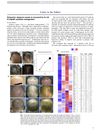
November 2015 in “The Journal of Allergy and Clinical Immunology” Blocking IL-12/IL-23p40 helped reverse severe hair loss in patients.
 65 citations
,
February 2015 in “Neuro-Oncology”
65 citations
,
February 2015 in “Neuro-Oncology” Alisertib was found to be an effective and tolerable treatment for children with recurrent brain tumors.
3 citations
,
July 2024 in “Archives of Dermatological Research” Oral ritlecitinib and baricitinib are promising treatments for severe alopecia areata due to their balance of effectiveness and safety.
19 citations
,
January 2021 in “Journal of the American Academy of Dermatology” Dupilumab may help children with alopecia areata and atopic dermatitis regrow hair.