 May 2026 in “Discover Oncology”
 Targeting LGR4 may help treat cancer by reducing cancer stem cell traits and drug resistance.
 April 2025 in “Turkish Journal of Hematology”
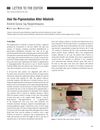
 Nilotinib may cause gray hair to return to its original color.
 November 2024 in “Journal of the European Academy of Dermatology and Venereology”
 Long-term baricitinib treatment can lead to significant scalp hair regrowth in patients initially showing only eyebrow or eyelash regrowth.
December 2025 in “Orvosi Hetilap” Baricitinib is effective and safe for treating alopecia areata.
22 citations
,
May 2011 in “European Journal of Cancer” The drug combination was safe and showed promise in treating advanced tumors.
January 2026 in “Journal of Ethnopharmacology” Cedrol promotes hair growth better than baricitinib by regulating immune cells.
 1 citations
,
October 2025 in “Cureus”
1 citations
,
October 2025 in “Cureus” Ritlecitinib may cause severe musculoskeletal pain in some alopecia universalis patients.
 40 citations
,
September 2018 in “Journal of the American Academy of Dermatology”
40 citations
,
September 2018 in “Journal of the American Academy of Dermatology” Tofacitinib helped some young children with severe hair loss grow their hair back without bad side effects.
July 2024 in “Journal of Investigative Dermatology”  December 2024 in “Frontiers in Pediatrics”
 Baricitinib improved platelet counts and alopecia in a 16-year-old with chronic immune thrombocytopenia.
 November 2025 in “Eurasian journal of applied biotechnology”
 Combining L-cysteine, NAC, and a MET inhibitor significantly kills cervical cancer cells.

Dacomitinib can cause nail and skin issues, but these can be managed without stopping the drug.
June 2026 in “Clinical Cosmetic and Investigational Dermatology” High-dose baricitinib improved severe alopecia areata in most patients without severe side effects.
 July 2012 in “European journal of cancer”
 MPA increases cancer spread by boosting Eph A2 activity.
JAK inhibitors effectively regrow hair in alopecia areata but hair loss often returns after stopping treatment.
1 citations
,
February 2025 in “International Journal of Dermatology” Abrocitinib may effectively treat Lichen Planopilaris.
 June 2026 in “Eurasian Journal of Medicine”
 Baricitinib effectively regrew hair in a woman with alopecia universalis after other treatments failed.
 June 2023 in “British journal of dermatology/British journal of dermatology, Supplement”
 Patients with alopecia areata face challenges accessing Janus kinase inhibitors, but some see positive results.
 September 2023 in “Dermatology and Therapy”
 Baricitinib effectively regrows hair in most people with severe alopecia, especially those with patchy hair loss, but hair may fall out again if treatment stops.
October 2025 in “Figshare” Deuruxolitinib improves hair regrowth in alopecia areata but needs more safety research.
39 citations
,
March 2009 in “Dermatology Online Journal” Erlotinib can cause persistent excessive hair growth.
 October 2024 in “Canadian Journal of Health Technologies”
 Olumiant should be covered for severe alopecia areata if certain conditions are met.
 December 2025 in “npj Breast Cancer”
 Capivasertib improves survival in certain breast cancer cases but requires careful management of side effects.
July 2025 in “SKIN The Journal of Cutaneous Medicine” Most patients with alopecia areata see significant hair regrowth within 93 days of starting ritlecitinib treatment.
15 citations
,
December 2019 in “European Journal of Dermatology” Low-dose tofacitinib is effective and cheaper for severe alopecia areata.
January 2013 in “대한피부과학회지” Gefitinib can cause rare scarring hair loss.
 June 2026 in “Zenodo (CERN European Organization for Nuclear Research)”
 Baricitinib is used for severe alopecia areata after trying corticosteroids or other JAK inhibitors.
 June 2023 in “British Journal of Dermatology”
 Baricitinib was effective in treating severe and very severe alopecia areata after 52 weeks.
July 2024 in “Journal of Investigative Dermatology” ITK inhibitors may effectively treat alopecia areata.
Baricitinib is more effective than methotrexate for severe alopecia areata.