117 citations
,
February 1996 in “International Journal of Dermatology” A 300 mg monthly pulse of prednisolone effectively and safely treats widespread alopecia areata.
 July 2018 in “British Journal of Dermatology”
 Hair regrowth was seen in 83% of children with alopecia, immune system plays a role in the condition, and various treatments showed effectiveness for hair and nail disorders.
May 2025 in “OPAL (Open@LaTrobe) (La Trobe University)” Linoleic acid and magnesium are key in alopecia areata progression, and tofacitinib can help by affecting their pathway.
 March 2020 in “Section 5: Patient safety and quality assurance”
 Tofacitinib and baricitinib had an acceptable level of side effects in rheumatoid arthritis patients.
 January 2026 in “Magazine Portal Bibliotech Digital (Universidad Nacional de Colombia)”
 Minoxidil and finasteride effectively treat hair loss but may cause side effects; combining them improves results.
May 2026 in “Dermatology and Therapy” Ritlecitinib improves hair growth and quality of life in severe alopecia areata with longer use.
20 citations
,
January 2024 in “Journal of the European Academy of Dermatology and Venereology” Baricitinib is the most effective treatment for alopecia areata.
 3 citations
,
July 2018 in “Biomedicine & pharmacotherapy”
3 citations
,
July 2018 in “Biomedicine & pharmacotherapy” Paeoniflorin protects brain cells by involving a specific protein and neurosteroids.
 February 2025 in “International Journal of STD & AIDS”
 Tofacitinib can cause unusual hair growth, requiring careful monitoring and possible laser hair removal.
2 citations
,
May 2025 in “Journal of Clinical Medicine” Upadacitinib is safe and effective for treating alopecia areata and atopic dermatitis in children.
 January 2025 in “Journal of the American Academy of Dermatology”
 Combining oral minoxidil and bicalutamide may help improve hair growth in adolescent girls.
December 2022 in “Zenodo (CERN European Organization for Nuclear Research)” Topical finasteride effectively treats hair loss and acne with fewer side effects than oral forms.
 25 citations
,
November 2022 in “British journal of dermatology/British journal of dermatology, Supplement”
25 citations
,
November 2022 in “British journal of dermatology/British journal of dermatology, Supplement” Baricitinib for severe alopecia areata is generally safe, with common side effects like infections and acne, and low rates of serious complications.
September 2025 in “Annals of African Medicine” 15 citations
,
June 1961 in “Archives of Dermatology” Triamcinolone can regrow hair in alopecia areata, but the effect is temporary.
 November 2023 in “Expert Opinion on Pharmacotherapy”
 Finasteride and dutasteride are effective in treating male hair loss but can cause sexual side effects and birth defects.
 July 2022 in “Media Dermato Venereologica Indonesiana”
 The combination of PRP and triamcinolone injections improved hair growth in a man with alopecia areata.
July 2026 in “Journal of the American Academy of Dermatology” 2 citations
,
May 2024 in “International Journal of Dermatology”  12 citations
,
June 2016 in “Clinical and Molecular Hepatology”
12 citations
,
June 2016 in “Clinical and Molecular Hepatology” Mycophenolate mofetil can effectively treat autoimmune hepatitis when standard drugs fail.
 January 2024 in “International Journal of Dermatology Venereology and Leprosy Sciences”
 Tofacitinib may be safe and effective for treating certain skin conditions in children.
1 citations
,
September 2023 in “Journal of the American Academy of Dermatology” Ritlecitinib effectively regrows and maintains scalp, eyebrow, and eyelash hair in alopecia areata patients.
 January 2026 in “Zenodo (CERN European Organization for Nuclear Research)”
 LX-38 is a safer drug option for treating prostate issues and hair loss without hormonal side effects.
 August 2026 in “Dermatology and Therapy”
 Spironolactone is more effective and safer than bicalutamide for treating female pattern hair loss.

Tofacitinib significantly improved symptoms in a patient with overlapping autoimmune disorders.
 89 citations
,
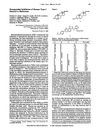
February 1993 in “Journal of Medicinal Chemistry”
89 citations
,
February 1993 in “Journal of Medicinal Chemistry” New compounds called benzoquinolinones may treat conditions linked to excess DHT.
 19 citations
,
April 2020 in “Dermatologic Therapy”
19 citations
,
April 2020 in “Dermatologic Therapy” Dutasteride works better than finasteride for hair loss, with both being safe to use.
8 citations
,
June 2023 in “European Journal of Endocrinology” The inhibitor affects androgen metabolism but not ovarian function.
July 2025 in “Journal of Investigative Dermatology” 6 citations
,
January 2004 in “Acta dermato-venereologica”