 November 2023 in “International Journal of Pharmaceutics”
 The new delivery system improves treatment for hair loss by enhancing drug absorption and effectiveness.
 17 citations
,
June 2016 in “Australasian Journal of Dermatology”
17 citations
,
June 2016 in “Australasian Journal of Dermatology” Treatment with dutasteride, minoxidil, and artificial hair transplantation improved appearance but caused folliculitis.
June 2025 in “Revista Foco” JAK inhibitors effectively treat severe alopecia areata with manageable side effects.
May 2025 in “Pakistan Armed Forces Medical Journal” Dithranol is more effective than Tacrolimus for hair regrowth in alopecia areata.
 1 citations
,
March 2026 in “American Journal of Clinical Dermatology”
1 citations
,
March 2026 in “American Journal of Clinical Dermatology” Ritlecitinib effectively regrows hair in severe alopecia areata, especially in adolescents.
October 2025 in “Pharmaceuticals” Auranofin shows promise as a cancer treatment, especially when combined with other therapies.
October 2024 in “Journal of Pakistan Association of Dermatologists” Tofacitinib helped a 21-year-old regrow hair after alopecia totalis.
 March 2023 in “PARIPEX INDIAN JOURNAL OF RESEARCH”
 Tofacitinib helped regrow hair in most patients with severe hair loss.
 34 citations
,
August 2002 in “British Journal of Dermatology”
34 citations
,
August 2002 in “British Journal of Dermatology” ALA-PDT is effective and safe for chronic X-ray dermatitis, providing complete or partial remission.
 5 citations
,
June 2019 in “British Journal of Dermatology”
5 citations
,
June 2019 in “British Journal of Dermatology” Tofacitinib was more effective than apremilast in treating hair loss in a mouse model of alopecia areata.
July 2025 in “Clinical Medicine” Oral betamethasone works faster than oral tofacitinib for hair regrowth in alopecia areata.
February 2023 in “Reactions Weekly”  September 2024 in “Skin Appendage Disorders”
 Tofacitinib helped a woman regrow her hair without relapses after other treatments failed.
 February 2006 in “Journal of The American Academy of Dermatology”
 Terbinafine is more effective than itraconazole for toenail fungus, especially in older patients, and debridement improves its effectiveness.
 11 citations
,
November 2019 in “Journal of the American Academy of Dermatology”
11 citations
,
November 2019 in “Journal of the American Academy of Dermatology” Oral tofacitinib is a promising treatment for beard hair loss in alopecia areata.
48 citations
,
July 2023 in “Pediatric Dermatology” Ritlecitinib effectively regrows hair in adolescents with alopecia areata and is safe.
 July 2025 in “Journal of the European Academy of Dermatology and Venereology”
 A new treatment plan helps manage folliculitis decalvans effectively.
 April 2012 in “Journal of the American Academy of Dermatology”
 Clofazimine may be effective for treating ashy dermatosis.
 January 2023 in “National Journal of Physiology, Pharmacy and Pharmacology”
 Tofacitinib effectively reduced hair loss in alopecia areata patients without adverse effects.
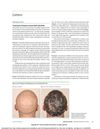 78 citations
,
March 2017 in “JAMA Dermatology”
78 citations
,
March 2017 in “JAMA Dermatology” Tofacitinib helped regrow hair in people with severe alopecia, but side effects occurred and benefits stopped after treatment ended.
January 2023 in “Dermatologic Therapy” Intralesional corticosteroids and 5-alpha-reductase inhibitors are the best treatments for frontal fibrosing alopecia.
 August 2018 in “Journal of Investigative Dermatology”
 Tofacitinib may help regrow hair in alopecia areata patients.
 222 citations
,
September 2016 in “JCI insight”
222 citations
,
September 2016 in “JCI insight” Tofacitinib is safe and effective for severe alopecia areata, but hair loss may return 2 months after stopping treatment.
 1 citations
,
May 2024 in “Dermatology and Therapy”
1 citations
,
May 2024 in “Dermatology and Therapy” Frontal Fibrosing Alopecia needs better diagnostics and treatments, with dutasteride showing promise.
 2 citations
,
April 2022 in “Cutaneous and Ocular Toxicology”
2 citations
,
April 2022 in “Cutaneous and Ocular Toxicology” Tofacitinib may help treat hair loss in children with alopecia areata.
The research developed new fortilin protein constructs for potential heart disease treatments.
 5 citations
,
July 2003 in “Drug Development Research”
5 citations
,
July 2003 in “Drug Development Research” Fluridil promotes hair growth safely and effectively for androgenetic alopecia.
 10 citations
,
March 2016 in “Journal of The American Academy of Dermatology”
10 citations
,
March 2016 in “Journal of The American Academy of Dermatology” Finasteride's effectiveness for frontal fibrosing alopecia is uncertain.
 September 2021 in “Clinical research in dermatology”
 5-Alpha-Reductase inhibitors might help slow down hair loss in Frontal Fibrosing Alopecia but are not a primary treatment and need more research.
 September 2023 in “Journal of Cosmetic Dermatology”
 Finasteride was more effective than hydroxychloroquine in treating frontal fibrosing alopecia.