Search
for
Sort by
Research
270-300 / 1000+ results
research Oral isotretinoin combined with topical clobetasol 0.05% and tacrolimus 0.1% for the treatment of frontal fibrosing alopecia: a randomized controlled trial
Taking oral isotretinoin with creams worked better for treating a type of hair loss than creams alone.
research Updated Integrated Safety Analysis of Ritlecitinib Up to ~5 Years in Patients With Alopecia Areata From the ALLEGRO Clinical Trial Program
Ritlecitinib is generally safe for long-term use in treating alopecia areata.
research Phosphodiesterase inhibitors used in androgenic alopecia as a possible risk factor for testicular tumor
research An Open-Label Pilot Study to Evaluate the Efficacy of Tofacitinib in Moderate to Severe Patch-Type Alopecia Areata, Totalis, and Universalis
Tofacitinib may help treat severe hair loss, but more research is needed.
research Systemic tofacitinib in paediatric alopecia areata
research 41701 Efficacy of the Oral JAK1/JAK2 Inhibitor CTP-543 (Deuruxolitinib) in Adult Patients with Moderate to Severe Alopecia Areata: Results from the Multinational Double-Blind, Placebo-Controlled THRIVE-AA1 Phase 3 Trial
CTP-543 effectively promotes hair regrowth in adults with moderate to severe alopecia areata.
research Inhibidor janus kinasa como opción terapéutica en alopecia areata. Reporte de caso
Janus kinase inhibitors may effectively treat severe alopecia areata unresponsive to other treatments.
research Fluridil, a Rationally Designed Topical Agent for Androgenetic Alopecia: First Clinical Experience
Fluridil safely promotes hair growth in men with androgenetic alopecia.
research DRUG POLYMORPHISM IDENTIFICATION USING FOURIER TRANSFORM-RAMAN SPECTROSCOPY: A COMPARATIVE STUDY OF LAMIVUDINE AND FINASTERIDE DRUGS
FT-Raman spectroscopy is effective for identifying drug polymorphs, ensuring quality and stability.
research Medical therapy for frontal fibrosing alopecia: A review and clinical approach
Some treatments like intralesional steroids and 5α-reductase inhibitors are effective for frontal fibrosing alopecia, but more research is needed.
research Hyperammonemia with Valproic Acid: Colonic Ischemia Associated with “Triptan” Use Visual Side Effects with Pegylated Interferon: Alopecia Areata with Infliximab: Adverse Effects Seen with Medications Used for Irritable Bowel Syndrome
Certain medications can cause serious side effects, so it's important to report them.
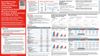
research Baricitinib Provides Higher Efficacy in Adolescents Relative to Adults With Alopecia Areata Despite More Severe Disease at Baseline: 36-Week Outcomes From BRAVE-AA Trials
Baricitinib works better in adolescents than adults for treating severe alopecia areata.
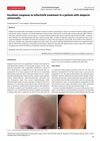
research Excellent response to tofacitinib treatment in a patient with alopecia universalis
A patient with complete hair loss regrew all her hair using tofacitinib.
research 43647 Treatment of Refractory Folliculitis Decalvans with the Topical JAK Inhibitor Tofacitinib
Topical tofacitinib helped a man with severe scalp condition after other treatments failed.
research Alopecia universalis unresponsive to treatment with tofacinitib: report of a case with a brief review of the literature
Tofacitinib helped psoriasis but not alopecia universalis, needing more research.
research Olorofim Effectively Eradicates Dermatophytes In Vitro and In Vivo
Olorofim effectively treats fungal skin infections.
research Leflunomide: an unlikely trigger and mechanistically a beneficial drug for alopecia areata
Leflunomide is more likely to help treat alopecia areata than cause it.
research A rapid method for obtaining finasteride, a 5α-reductase inhibitor, from commercial tablets
Quickly get finasteride from tablets using easy methods.
research Successful Treatment with Fusidic Acid in a Patient with Folliculitis Decalvans.
Fusidic acid successfully treated a rare scalp infection with hair regrowth and no recurrence after 6 months.
research In Vitro Analysis of Finasteride Activity against Candida albicans Urinary Biofilm Formation and Filamentation
Finasteride effectively prevents biofilm formation and treats preformed biofilms, but requires high doses.
research Efficacy and safety of tofacitinib therapy in Asian patients with severe alopecia areata
Tofacitinib helps regrow hair in severe alopecia patients, but more research is needed.
research Safety Assessment of Ritlecitinib Based on the FDA Adverse Event Reporting System (FAERS) Database: A Real‐World Pharmacovigilance Study
Ritlecitinib has common side effects like headache and acne, and unexpected ones like diabetes and thyroid issues.
research USE OF TOFACITINIB IN DIFFICULT TO TREAT CLINICALLY AMYOPATHIC DERMATOMYOSITIS
Tofacitinib may effectively treat skin symptoms in difficult cases of dermatomyositis.
research Cedrol mitigates hepatic lipid accumulation and adipocyte hypertrophy induced by corticosteroids through the inhibition of glucocorticoid receptor activity
Cedrol may help reduce liver fat and fat cell growth caused by corticosteroids.
research Tufted hair folliculitis: complete enduring response after treatment with rifampicin
Rifampicin effectively treated tufted hair folliculitis with no relapse after one year.
research Use of Topical Minoxidil, 17α-Estradiol and Hydrocortisone Butyrate in Frontal Fibrosing Alopecia
A lotion with minoxidil, hydrocortisone butyrate, and 17a-estradiol can improve or stabilize Frontal Fibrosing Alopecia in some cases, but there's no universally-accepted treatment yet.
research Recalcitrant alopecia areata responsive to leflunomide and anthralin—Potentially undiscovered JAK/STAT inhibitors?
Leflunomide and anthralin may effectively treat severe alopecia areata.
research Systematic review and indirect treatment comparisons of ritlecitinib against baricitinib in alopecia areata
Ritlecitinib and baricitinib are similarly effective for hair regrowth in severe alopecia areata.
research Case Series and Literature Review on Tofacitinib for Treating Severe Alopecia Areata
Tofacitinib is effective and safe for treating severe alopecia areata.