 November 2023 in “Journal of the American Academy of Dermatology”
 Skin of color can spontaneously repigment after a phenol-croton oil chemical peel.
 June 2017 in “University of the Arts London Research Online (University of the Arts London)”
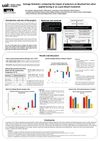
 Polymers help reduce damage and improve bleached hair when used during or after bleaching.
 January 2014 in “대한미용학회지”
 Using supercritical carbon dioxide can change the size of Hinokitiol particles.
November 2012 in “Journal of Clinical Pathology” 5 citations
,
January 2016 in “Indian dermatology online journal” A 25-year-old man with multiple skin tumors was successfully treated with acitretin and methotrexate.
5 citations
,
January 1992 Silicones in shampoos make hair smoother, easier to manage, and reduce friction.
 April 2015 in “Journal of Nutritional Therapeutics”
 Looser dietary restrictions can improve growth and reduce illness in methylmalonic acidemia patients.
20 citations
,
December 2006 in “Archives of dermatology” 48 citations
,
September 2007 in “European Journal of Neuroscience” Ethanol blocks memory formation in rats by enhancing certain brain chemicals.
 March 2024 in “Journal of Pharmaceutical and Sciences”
 Zaleya pentandra extracts, especially acetone, may be useful for new medicines and food industry applications.
 2 citations
,
October 1990 in “The Lancet”
2 citations
,
October 1990 in “The Lancet” Some people have a genetic variation that makes them less effective at breaking down drugs.
January 2002 in “Chinese Journal of Pharmaceuticals” A new method was developed to make a compound used in finasteride and epristeride with a 69% yield.
 June 2024 in “Okayama University Scientific Achievement Repository (Okayama University)”
 Koji mold on unpolished Thai-colored rice boosts antioxidant activity more than on other rice types.
 4 citations
,
March 2020 in “Cutaneous and ocular toxicology”
4 citations
,
March 2020 in “Cutaneous and ocular toxicology” Wen by Chaz Dean Sweet Almond Mint Cleansing Conditioner is better tolerated than salicylic acid and baby shampoos.
 June 2026 in “Acta Pharmacologica Sinica”
 Improving PROTAC delivery systems can enhance their effectiveness and speed up their use in medicine.
March 2023 in “SKIN The Journal of Cutaneous Medicine” Ritlecitinib helped most alopecia areata patients regrow hair by Week 48.
1 citations
,
November 2025 in “American Journal of Clinical Dermatology” The updated integrated safety analysis of the ALLEGRO clinical trials evaluated the long-term safety of ritlecitinib in patients aged 12 years and older with alopecia areata over approximately 5 years. The study included 1,294 patients in the any-ritlecitinib group and 1,228 in the ritlecitinib 50 mg ± 200 mg group. Adverse events (AEs) were common, occurring in 87.1% of the 50 mg ± 200 mg group and 89.5% of the any-ritlecitinib group, with headache, positive SARS-CoV-2 test, and nasopharyngitis being the most frequent. Serious AEs were reported in 6.8% of patients in both groups. The incidence rates for opportunistic infections, herpes zoster, malignancies, and major adverse cardiovascular events were low. Overall, the safety profile of ritlecitinib was consistent with previous data, indicating it was generally well tolerated for long-term use in this patient population.
419 citations
,
May 2002 in “British journal of dermatology/British journal of dermatology, Supplement” Hyaluronic acid injections can cause serious artery blockages, so practitioners must be careful.
January 2003 in “Dialnet (Universidad de la Rioja)” The study found ways to create important compounds for male health from olive waste.
 June 2025 in “Jurnal Mandala Pharmacon Indonesia”
 Etlingera alba extract may help treat breast cancer with fewer side effects.
2 citations
,
January 2012 in “Berkeley technology law journal” Keyword advertising is effective for reaching and targeting consumers.
7 citations
,
March 2023 in “Lasers in Surgery and Medicine” Ablative fractional laser treatment nearly matches the gene reduction effects of topical vismodegib in skin cancer.
3 citations
,
August 2010 in “Letters in Drug Design & Discovery” November 1998 in “European Neuropsychopharmacology”  April 2018 in “The journal of investigative dermatology/Journal of investigative dermatology”
 Li2CO3 improved skin disease in a mouse model of Focal Dermal Hypoplasia without toxicity.
 October 2024 in “Journal of the Endocrine Society”
 Certain genetic variants impair enzyme activity, contributing to non-classic congenital adrenal hyperplasia.
June 2024 in “Current Developments in Nutrition” KeraGLO improves skin and hair health.
 December 2023 in “Journal of Ayub Medical College Abbottabad”
 Ritlecitinib effectively treats alopecia areata in patients 12 and older with fewer side effects.
July 2026 in “Journal of the American Academy of Dermatology” Ritlecitinib helps adolescents with severe alopecia areata regrow scalp hair and normalize body hair and nails.
May 2024 in “Reactions weekly”