7 citations
,
September 2024 in “The Journal of Dermatology” Ritlecitinib helps regrow hair in people with alopecia totalis and universalis and is safe to use.
5 citations
,
February 2025 in “Pediatric Dermatology” Ritlecitinib was generally well tolerated in children with alopecia areata.
 November 2024 in “SKIN The Journal of Cutaneous Medicine”
 Ritlecitinib provides new treatment options for diverse alopecia areata patients.
2 citations
,
May 2025 in “Journal of the European Academy of Dermatology and Venereology” Ritlecitinib improves hair regrowth in alopecia areata over 24 months.
 February 2026 in “PubMed”
 A personalized nutrition plan improved hair and skin health in a young man.
 March 2025 in “International Journal of Trichology”
 The combined treatment improved hair growth and scalp health in a patient with scalp alopecia from birth.
 May 2023 in “Journal of managed care & specialty pharmacy”
 Alopecia areata causes hair loss and life quality issues; current treatments are often unsatisfactory, but new drugs like JAK inhibitors show promise.
 4 citations
,
January 2023 in “Skin health and disease”
4 citations
,
January 2023 in “Skin health and disease” Blocking Janus kinase 1 helps stop inflammation and regrow hair, making it a good treatment for hair loss from alopecia areata.
3 citations
,
August 2024 in “Cosmetics” A botanical extract blend improved skin and scalp health in women working outdoors.

Chemotherapy for breast cancer often causes significant and lasting hair loss.
December 2025 in “The Journal of Dermatology” Ritlecitinib effectively reduces hair loss in JAK inhibitor-naïve alopecia areata patients.
 8 citations
,
September 2021 in “Journal of Cosmetic Dermatology”
8 citations
,
September 2021 in “Journal of Cosmetic Dermatology” Some diets and supplements might help with skin disorders, but their effectiveness varies and more research is needed.
May 2026 in “Inflammopharmacology” 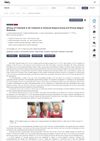
Tofacitinib may effectively treat hair loss and improve symptoms in autoimmune conditions like alopecia areata and Sjögren's syndrome, but long-term treatment might be necessary.
 January 2023 in “Skin appendage disorders”
 Hair loss is common in autoimmune diseases and can be an early sign of the condition, often requiring prompt treatment to prevent permanent damage.
 January 2023 in “Skin appendage disorders”
 Scalp microinfusion is a new method for treating hair loss that shows promise but needs more research for standardization.
 44 citations
,
October 2019 in “International Journal of Molecular Sciences”
44 citations
,
October 2019 in “International Journal of Molecular Sciences” Melatonin, usually known for sleep regulation, also has antioxidant properties that can protect skin, stimulate hair growth, and improve skin conditions, with topical application being more effective than oral use.
35 citations
,
December 2020 in “International Journal of Molecular Sciences” Mast cells likely promote skin scarring and fibrosis, but their exact role is still unclear.
14 citations
,
December 2009 in “Der Hautarzt” 7 citations
,
November 2023 in “JAAD Case Reports” Baricitinib helped regrow hair in patients with severe alopecia areata after other treatments failed.
5 citations
,
January 2020 December 2025 in “The International Journal of Medical Science and Health Research” Rosemary may effectively treat hair loss with fewer side effects than conventional treatments.
 September 2024 in “Journal of the American Academy of Dermatology”
 Regulatory γδ T cells help protect hair follicles from alopecia areata and promote hair regrowth.
 May 2024 in “JAMA Dermatology”
 Oral contraceptive use may increase the risk of frontal fibrosing alopecia in women with a specific CYP1B1 gene variant.
91 citations
,
May 2023 in “Journal of Cutaneous Medicine and Surgery” Alopecia Areata affects 2% globally, with treatments like essential oils, garlic, and JAK inhibitors showing promise, but more research is needed.
 September 2025 in “Australasian Journal of Dermatology”
 New medications could improve treatment for severe alopecia areata in Australia.
 April 2025 in “Frontiers in Immunology”
 Tofacitinib effectively regrows hair in alopecia areata but may need continuous use.
9 citations
,
August 2024 in “British Journal of Dermatology” Alopecia areata affects 1 in 50 people, with non-White ethnic groups experiencing the most impact on mental health and work.
 November 2025 in “International Journal of Molecular Sciences”
 Combining different drugs can improve hair loss treatment.