141 citations
,
February 2005 in “Journal of the American Academy of Dermatology” Oral prednisolone helps hair regrowth in alopecia areata.
 August 2020 in “Current psychopharmacology”
 Pregnancy and nursing increase certain brain activities in rats, but these changes disappear when the babies are taken away.
19 citations
,
January 2012 in “Frontiers in Neural Circuits” Neurosteroids and benzodiazepines reduce neuron excitability, with lasting effects on inhibitory neurons.
 36 citations
,
May 2011 in “The Journal of Clinical Endocrinology & Metabolism”
36 citations
,
May 2011 in “The Journal of Clinical Endocrinology & Metabolism” Treatment with a hormone agonist can reduce excess male hormones in postmenopausal women without surgery.
 February 2010 in “Journal of The American Academy of Dermatology”
 Babies born after 38 weeks to mothers under 36 years old and not delivered by C-section have a higher risk of neonatal occipital alopecia.
1 citations
,
July 2010 in “PubMed”  May 2015 in “Journal of The American Academy of Dermatology”
 Both azathioprine and betamethasone treatments help with hair regrowth in alopecia areata, but azathioprine may have fewer side effects.
9 citations
,
June 2016 in “The Cerebellum”  14 citations
,
October 2006 in “Journal of The American Academy of Dermatology”
14 citations
,
October 2006 in “Journal of The American Academy of Dermatology” A woman with Parkinson's disease experienced hair loss from the Parkinson's medication pramipexole, which improved after stopping the drug.
2 citations
,
March 1976 in “PubMed” Neogynon effectively prevents pregnancy but may cause side effects like headaches and menstrual changes.
May 2024 in “Journal of the Egyptian Womenʼs Dermatologic Society” Diphenylcyclopropenone is effective and safe for treating severe alopecia areata in children, with maintenance therapy reducing relapse risk.
TrichoFoam™ is a stable option for personalized hair loss treatment with most ingredients remaining effective for 90-180 days.
13 citations
,
May 2007 in “Journal of Endocrinology” Synthetic 19-norprogestins promote bone cell growth and function through their non-phenolic metabolites.
June 2020 in “Authorea (Authorea)” First-time mothers had higher stress hormone levels in late pregnancy than mothers who had given birth before.
April 2023 in “Journal of Investigative Dermatology” AL136131.3 slows hair growth by affecting energy processes in hair loss.
32 citations
,
September 2011 in “Journal of Neuroendocrinology” Inhibiting 5α-reductase during late pregnancy shortens gestation, reduces litter size, and harms memory in rat offspring.
123 citations
,
June 2006 in “Journal of Neurobiology” Progesterone protects brain cells, but Provera does not.
 4 citations
,
September 2014 in “Elsevier eBooks”
4 citations
,
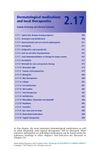
September 2014 in “Elsevier eBooks” Use some skin medications with caution during pregnancy; avoid strong steroids, certain eczema treatments, and systemic retinoids, but many topical treatments and nasal sprays are safe.
September 2025 in “JAAD reviews.” This systematic review and meta-analysis evaluated the association between alopecia areata (AA) and adverse pregnancy outcomes in women, analyzing data from 5 studies with a total of 10,611,392 patients. The findings suggest low-certainty evidence that AA may increase the risk of gestational hypertension, miscarriage, and preterm birth, with odds ratios (OR) of 1.28, 1.08, and 1.07, respectively. However, there is moderate-certainty evidence that AA is probably not associated with an increased risk of stillbirth. The study highlights the need for further high-quality research to assess the impact of AA severity and the influence of comorbid autoimmune conditions on pregnancy outcomes.
2 citations
,
April 2021 in “The Egyptian Journal of Histology” Platelet-rich plasma helps protect and improve ovarian function in rats treated with cyclophosphamide.
 146 citations
,
July 2003 in “Journal of the American Academy of Dermatology”
146 citations
,
July 2003 in “Journal of the American Academy of Dermatology” Clobetasol propionate ointment can help some people with total hair loss regrow hair.
 34 citations
,
May 2013 in “Journal of the European Academy of Dermatology and Venereology”
34 citations
,
May 2013 in “Journal of the European Academy of Dermatology and Venereology” Hair growth slows and shedding increases after childbirth, but most women don't experience excessive hair loss.
26 citations
,
July 1992 in “International Journal of Dermatology” Oral cyclosporine A and prednisolone effectively improved alopecia universalis without side effects.
14 citations
,
June 2009 in “Journal of veterinary internal medicine” High doses of albendazole can be deadly for alpacas.
September 2004 in “Fertility and Sterility” Norplant implants lower some androgen levels but don't significantly change sexual function.
5 citations
,
July 1987 in “European Journal of Obstetrics & Gynecology and Reproductive Biology” The treatment temporarily improved symptoms of hyperandrogenism in adolescents.
1 citations
,
January 1987 in “PubMed” The treatment helped promote hair growth in men with androgenetic alopecia.
October 1995 in “Pediatric Research” 21 citations
,
March 2002 in “Neurology” Dopamine agonists like pramipexole and ropinirole can cause reversible hair loss.
 22 citations
,
January 2004 in “Dermatology”
22 citations
,
January 2004 in “Dermatology” Topical estrogen helps hair growth in menopausal women with no major side effects.