December 2025 in “Fertility and Sterility” Both LNG-IUD and systemic progestins are effective for fertility-sparing treatment, but close monitoring is needed due to recurrence risk.
 1 citations
,
March 2017 in “Al-maǧallaẗ al-’irāqiyyaẗ li-l-’ulūm al-ṣaydalāniyyaẗ/Iraqi journal of pharmaceutical sciences”
1 citations
,
March 2017 in “Al-maǧallaẗ al-’irāqiyyaẗ li-l-’ulūm al-ṣaydalāniyyaẗ/Iraqi journal of pharmaceutical sciences” Nutrient antioxidants helped reduce prednisolone dosage and improved hair growth in alopecia areata patients.
1 citations
,
April 2011 in “The FASEB Journal” Progesterone-derived neurosteroids affect GABA-A receptor expression, influencing epilepsy during menstrual cycles.
 3 citations
,
December 1997 in “Pediatric Clinics of North America”
3 citations
,
December 1997 in “Pediatric Clinics of North America” Pediatricians should advise sexually active teens on safe sex and STD prevention, and discuss contraceptive options and their side effects.
 64 citations
,
January 1998 in “Drugs”
64 citations
,
January 1998 in “Drugs” Dienogest combined with ethinylestradiol is a highly effective birth control that improves menstrual symptoms and has manageable side effects.
 4 citations
,
November 2021 in “Journal of Cosmetic Dermatology”
4 citations
,
November 2021 in “Journal of Cosmetic Dermatology” QR678 and QR678 Neo treatments, combined with corticosteroid injections, work better for alopecia areata than corticosteroid injections alone.
22 citations
,
August 2006 in “Journal of the European Academy of Dermatology and Venereology” Twice-weekly 5 mg betamethasone helps hair regrowth in alopecia areata.
 August 2017 in “International journal of research in dermatology”
 0.05% betamethasone dipropionate is the most effective treatment for mild alopecia areata.
July 2024 in “Journal of Investigative Dermatology” Low-dose oral minoxidil is safe for alopecia patients, even those prone to edema.
 October 2024 in “Asian Journal of Pharmaceutical and Clinical Research”
 Topical methotrexate is more effective and as safe as betamethasone for treating alopecia areata.
26 citations
,
June 2011 in “Molecular Medicine” Progesterone significantly reduces neuroblastoma tumor growth without harming healthy cells.
 12 citations
,
January 2009 in “Gynecological Endocrinology”
12 citations
,
January 2009 in “Gynecological Endocrinology” A postmenopausal woman's hair loss and excess hair growth improved after surgery for ovarian hyperthecosis.
 47 citations
,
May 2002 in “Journal of Cutaneous Medicine and Surgery”
47 citations
,
May 2002 in “Journal of Cutaneous Medicine and Surgery” Pregnancy can cause normal skin changes that usually go away after childbirth and don't need treatment.
July 2026 in “British Journal of Dermatology” Taking low-dose oral minoxidil during the day improves hair growth more than taking it at night.
 January 2007 in “Acta Veterinaria Brno”
 Trilostane treatment successfully restored hair growth in a dog with alopecia X.
 23 citations
,
October 1971 in “BMJ”
23 citations
,
October 1971 in “BMJ” Stopping the pill and giving birth both caused hair loss.
7 citations
,
October 2024 in “Journal of the American Academy of Dermatology” Continued ritlecitinib treatment helps sustain hair regrowth in alopecia areata patients.
5 citations
,
May 1994 in “Facial plastic surgery clinics of North America” Minoxidil was promising for treating male and female pattern baldness in 1994, but more research on genetics and other treatments was needed.
2 citations
,
January 1986 in “PubMed” Spironolactone improved symptoms in women with hormonal imbalances and had few side effects.
 June 2010 in “Chin J Postgrad Med”
 Using prednisone, zinc, and minoxidil together effectively treats hair loss with long-term benefits and is safe to use.
December 2025 in “EXPERIMENTAL & CLINICAL MEDICINE GEORGIA” Brocq’s pseudopelade can cause patchy hair loss after childbirth.
1 citations
,
May 2017 in “Journal of Clinical Oncology” Topical calcitriol is safe for preventing hair loss during chemotherapy.
8 citations
,
June 2023 in “European Journal of Endocrinology” The inhibitor affects androgen metabolism but not ovarian function.
 April 2023 in “The journal of investigative dermatology/Journal of investigative dermatology”
 Intravenous methylprednisolone helped over half of alopecia areata patients regrow hair, but many relapsed.
5 citations
,
May 1958 in “Archives of Dermatology” Treatment with corticosteroids and zinc injections can help hair regrowth and restore pigmentation in alopecia totalis.
 May 2002 in “British Journal of Dermatology”
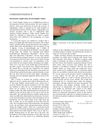
 A pregnant woman's skin condition improved after giving birth, possibly due to high estrogen levels during pregnancy.
 36 citations
,
November 2005 in “Journal of The American Academy of Dermatology”
36 citations
,
November 2005 in “Journal of The American Academy of Dermatology” Topical latanoprost doesn't effectively regrow hair in severe eyebrow alopecia areata cases.
1 citations
,
December 2021 in “American Journal of Obstetrics and Gynecology” Hair cortisol levels peak in the third trimester and decline postpartum.
 9 citations
,
October 2020 in “Journal of The American Academy of Dermatology”
9 citations
,
October 2020 in “Journal of The American Academy of Dermatology” Low-dose oral minoxidil is an effective and well-tolerated treatment for hair growth in alopecia patients.