June 2024 in “British Journal of Dermatology” DLQI is a reasonable quality-of-life measure for alopecia patients, but more research is needed.
June 2024 in “British Journal of Dermatology” Alopecia areata greatly affects quality of life, especially mental health, and newer assessment tools better capture this impact than older ones.
 15 citations
,
January 2018 in “Annals of Dermatology”
15 citations
,
January 2018 in “Annals of Dermatology” Wigs significantly improve the well-being of people with severe hair loss.
4 citations
,
March 2023 in “SKIN The Journal of Cutaneous Medicine” Hair regrowth improves quality of life and reduces anxiety and depression in severe alopecia areata patients.
January 2026 in “International Journal of Clinical Practice” People with alopecia areata often have higher anxiety and depression levels.
September 2025 in “Journal of the American Academy of Dermatology” Eyebrow and eyelash hair loss in alopecia areata worsens quality of life.
 August 2025 in “Libyan Medical Journal”
 People with vitiligo or alopecia areata have higher anxiety and depression than healthy people.
 November 2023 in “JEADV Clinical Practice”
 Patients with severe alopecia areata felt better and less anxious or depressed when treated with baricitinib compared to placebo.
 September 2022 in “Journal of Investigative Dermatology”
 Patient-reported outcomes better reflect the quality of life impact of alopecia areata than traditional severity scores.
 January 2021 in “International journal of basic and clinical pharmacology”
 Hydroxychloroquine is less effective than betamethasone oral mini pulse therapy for treating alopecia areata.
 January 2018 in “Turkiye Klinikleri Journal of Medical Sciences”
 Alopecia areata treatment should consider life quality and mental health, not just clinical results.
Low level laser therapy effectively treats alopecia areata on the scalp.
 April 2024 in “Dermatology and therapy”
 There are significant gaps and inconsistencies in diagnosing and treating alopecia areata in Greece and Italy.
May 2017 in “Chinese Journal of Dermatology” Alopecia negatively affects quality of life and mental health.
December 2025 in “Gastroenterology Insights” IBS is linked to certain skin conditions like psoriasis and rosacea, and vice versa.
 4 citations
,
November 2011 in “Archives of Dermatology”
4 citations
,
November 2011 in “Archives of Dermatology” Hamilton scale imprecise, hair shaft diameter decreases, stem cell transplant regrows hair, ECP ineffective for alopecia areata universalis.
 2 citations
,
June 2018 in “Clinical and Experimental Dermatology”
2 citations
,
June 2018 in “Clinical and Experimental Dermatology” Permanent hair loss after a stem cell transplant can be a sign of chronic immune system attack on the scalp.
 July 2022 in “Journal of Investigative Dermatology”
 The conclusion suggests that a new system for measuring hair loss could be created using automated analysis of photographs.
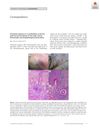
The man likely has a condition causing eyelash loss and scaling on his eyelid.
4 citations
,
August 2024 in “Clinical and Experimental Dermatology” Standardized photography protocols help clinicians assess and monitor hair loss effectively.
 41 citations
,
January 2014 in “Annals of Dermatology”
41 citations
,
January 2014 in “Annals of Dermatology” Dermoscopic examination helps diagnose different types of hair loss conditions by showing specific patterns.
 16 citations
,
June 2015 in “Pediatric dermatology”
16 citations
,
June 2015 in “Pediatric dermatology” Lichen Planopilaris in teens is rare, often misdiagnosed, and responds well to steroids.
10 citations
,
October 2018 in “JDDG Journal der Deutschen Dermatologischen Gesellschaft” Most skin conditions in Down syndrome are benign and involve dry or thickened skin.
August 2024 in “Journal of the National Medical Association” ChatGPT is more accurate at diagnosing hair disorders in lighter skin tones than darker ones.
 April 2016 in “Journal of The American Academy of Dermatology”
 AGA patients have a lower quality of life than AA patients.
January 2013 in “Journal of Practical Dermatology” Hair loss, especially alopecia areata, is linked to poor sleep and emotional stress.
Teletrichoscopy can effectively diagnose hair and scalp conditions remotely using smartphone apps and affordable tools.
 December 2020 in “Galen Medical Journal”
 People with Alopecia Areata and Androgenic Alopecia have more mast cells in their scalp than healthy individuals, especially those with Alopecia Areata.
 25 citations
,
June 2015 in “Scientific Reports”
25 citations
,
June 2015 in “Scientific Reports” People with alopecia areata have a higher risk of stroke.
 23 citations
,
August 2018 in “Anais Brasileiros De Dermatologia”
23 citations
,
August 2018 in “Anais Brasileiros De Dermatologia” Both androgenetic alopecia and alopecia areata negatively impact quality of life, with no significant difference between them.