 2 citations
,
March 2024 in “Meditsinskiy sovet = Medical Council”
2 citations
,
March 2024 in “Meditsinskiy sovet = Medical Council” JAK inhibitors effectively treat severe atopic dermatitis and alopecia areata.
 2 citations
,
March 1988 in “Archives of Dermatology”
2 citations
,
March 1988 in “Archives of Dermatology” Minoxidil can help regrow hair or slow down hair loss, but results vary among individuals.
 2 citations
,
November 1987 in “Archives of Dermatology”
2 citations
,
November 1987 in “Archives of Dermatology” Minoxidil solution helps regrow hair in men with hair loss, with most improvement seen at 12 months and effects lasting over 30 months.
1 citations
,
September 2023 in “Journal of the American Academy of Dermatology” Mini pulse corticosteroid therapy with oral dexamethasone is effective and has fewer side effects for treating extensive alopecia areata.
 1 citations
,
September 2022 in “BioNanoScience”
1 citations
,
September 2022 in “BioNanoScience” Tofacitinib can help hair grow back in alopecia patients but hair loss might return if the dose is lowered.
1 citations
,
June 2022 in “Zenodo (CERN European Organization for Nuclear Research)” Low-level laser therapy can effectively regrow hair in alopecia areata.
1 citations
,
December 2020 in “Medical lasers” The laser therapy device effectively increased hair growth in people with androgenetic alopecia.
 1 citations
,
November 2016 in “Hanbang an'i'bi'in'hu pibu'gwa haghoeji”
1 citations
,
November 2016 in “Hanbang an'i'bi'in'hu pibu'gwa haghoeji” Low level laser therapy and acupuncture significantly improved hair growth in a patient with alopecia.
 1 citations
,
January 2014 in “Hair therapy & transplantation”
1 citations
,
January 2014 in “Hair therapy & transplantation” The combination therapy of PEG-IFN α-2a and Ribavirin can cause widespread hair loss and skin reactions.
 July 2026 in “Vestnik dermatologii i venerologii”
 The treatment is promising, safe, and well-received for women with hair loss.
July 2026 in “Journal of Dermatological Treatment” Excimer laser therapy may help improve scarring alopecia symptoms and hair appearance.
 July 2026 in “Journal of Nanobiotechnology”
 The hydrogel helps treat hair loss by reducing harmful molecules and improving blood flow to hair follicles.
June 2026 in “Journal of Cosmetic Dermatology” Combination drug therapy improves hair growth and patient care for androgenetic alopecia.
May 2026 in “Aesthetic Plastic Surgery” May 2026 in “Journal of Cosmetic Dermatology” Fractional laser therapy effectively and safely improves hair density in androgenetic alopecia.
March 2026 in “Acta Pharmaceutica Sinica B” Microneedles show promise for improving hair regrowth in alopecia.
February 2026 in “International Journal of Clinical Dermatology” Alopecia areata in children shows varied forms and treatment challenges, with some achieving full or partial hair regrowth.
 February 2026 in “Journal of Drugs in Dermatology”
 Current and new treatments for hair loss include topical minoxidil and oral finasteride, but results vary and new options are being explored.
 January 2026 in “Frontiers in Pharmacology”
 Minoxidil can treat hair loss with topical, oral, and sublingual options, offering personalized choices.
 January 2026 in “Applied Biological Chemistry”
 Ishophloroglucin A from Ishige okamurae may be a natural alternative for treating hair loss by inhibiting 5α-reductase and promoting hair growth.
December 2025 in “Indian Dermatology Online Journal” Improved diagnosis and affordable topical treatments are essential for managing alopecia areata in India.
December 2025 in “Actas Dermo-Sifiliográficas” Ritlecitinib is effective and safe for treating severe alopecia areata in people aged 12 and older.
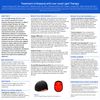 November 2025 in “SKIN The Journal of Cutaneous Medicine”
 Low-level light therapy safely increases hair growth in various types of hair loss.
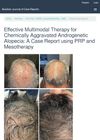 October 2025 in “Brazilian Journal of Case Reports”
 Combining PRP and mesotherapy effectively improved hair density and scalp health in a patient with severe hair loss.
September 2025 in “Chinese Journal of Plastic and Reconstructive Surgery” Botulinum toxin may help treat hair loss but needs more research for effectiveness and cost concerns.

The combination therapy improved hair growth and thickness in people with androgenetic alopecia.
 June 2025 in “Journal of Population Therapeutics and Clinical Pharmacology”
 The combination of microneedling, PRP, and minoxidil is more effective for hair loss than minoxidil alone.
 June 2025 in “Stem Cell Research & Therapy”
 Isoproterenol may help treat hair loss by activating hair follicle stem cells.
May 2025 in “Aesthetic Plastic Surgery”  April 2025 in “BMC Immunology”
 Targeting SIRT1 with antisense oligonucleotides could be a promising treatment for hair loss.