August 2025 in “Australasian Journal of Dermatology” Experts created guidelines for who in Australia can get subsidized JAK inhibitor therapy for alopecia areata.
 July 2025 in “Journal of Cosmetic Dermatology”
 Alternative treatments are needed when Tofacitinib alone fails for alopecia areata.
 June 2025 in “Journal of Ayurveda and Integrated Medical Sciences”
 Shiropichu therapy with coconut oil improves hair regrowth in alopecia areata.
 November 2024 in “Health Science Reports”
 Light/laser therapy can effectively increase hair density in some types of alopecia, especially androgenic alopecia and alopecia areata.
 October 2024 in “Dermatologic Surgery”
 Low-level laser therapy helps increase hair density in androgenetic alopecia.
August 2024 in “International Journal of Molecular Sciences” Mesenchymal Stem Cell therapy shows promise for treating hair loss in Alopecia Areata.
 June 2024 in “IP Indian journal of clinical and experimental dermatology”
 PRP therapy effectively treats alopecia areata and atrophic acne scars.
 February 2024 in “Journal of cutaneous and aesthetic surgery”
 The combined treatment helps improve severe hair loss and reduces the need for other medications.
 October 2023 in “Scientific Reports”
 Gene therapy helped rats with a specific type of rickets grow hair without severe inflammation.
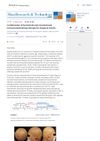 July 2023 in “Skin Research and Technology”
 Baricitinib combined with other immune therapies may safely and effectively treat severe scalp hair loss.
 January 2023 in “Dermatologic Therapy”
 Platelet-rich plasma therapy is a safe and effective treatment for alopecia areata.
October 2019 in “International Journal of AYUSH Case Reports” Leech therapy and medication helped regrow hair in a man with patchy hair loss.
 May 2015 in “Journal of The American Academy of Dermatology”
 Combination therapy with cyclosporine and low-dose corticosteroid shows favorable long-term results for treating alopecia areata.
 July 2013 in “Our Dermatology Online”
 Oral methylprednisolone pulse therapy helped an 11-year-old regrow 80% of his hair in six months.
 January 2007 in “Yearbook of Dermatology and Dermatologic Surgery”
 Intramuscular triamcinolone and pulse therapy with oral predonine are effective for alopecia areata with manageable side effects, but better relapse prevention is needed.
 May 2025 in “Journal of Nanobiotechnology”
 The gel improves hair regrowth and reduces irritation in alopecia areata treatment.
 January 2022 in “Clinical, Cosmetic and Investigational Dermatology”
 A mix of methotrexate, corticosteroids, and topical minoxidil effectively treated severe total body hair loss, but caused stretch marks and needs long-term monitoring.
 65 citations
,
January 2009 in “Annals of Dermatology”
65 citations
,
January 2009 in “Annals of Dermatology” Zinc supplements increased zinc levels in some hair loss patients but didn't significantly improve hair growth.
 39 citations
,
January 2019 in “Journal of the American Academy of Dermatology”
39 citations
,
January 2019 in “Journal of the American Academy of Dermatology” Tofacitinib may help treat severe childhood alopecia areata, but risks require careful consideration.
38 citations
,
June 2015 in “PubMed” Calcipotriol cream can effectively and safely treat mild-to-moderate patchy hair loss.
37 citations
,
February 2008 in “PubMed” Keeping radiation doses under 16 Gy may reduce permanent hair loss.
 31 citations
,
March 2017 in “Journal of The American Academy of Dermatology”
31 citations
,
March 2017 in “Journal of The American Academy of Dermatology” Some breast cancer patients developed permanent hair loss after chemotherapy and hormonal therapy, showing patterns similar to common baldness and alopecia areata.
28 citations
,
July 2015 in “Dermatologic therapy” The combined therapy was effective and safe for children with severe alopecia areata.
 26 citations
,
June 2019 in “The journal of investigative dermatology/Journal of investigative dermatology”
26 citations
,
June 2019 in “The journal of investigative dermatology/Journal of investigative dermatology” Regenerative therapies show promise for treating vitiligo and alopecia areata.
24 citations
,
March 2009 in “Archives of dermatological research” The combination of oral PUVA and corticosteroids helps regrow hair in severe alopecia areata.
 21 citations
,
March 2015 in “Journal of The American Academy of Dermatology”
21 citations
,
March 2015 in “Journal of The American Academy of Dermatology” Vemurafenib therapy can cause hair loss, but clobetasol propionate foam can help regrow hair.
17 citations
,
October 2021 in “Journal of Cosmetic Dermatology” All three treatments help manage alopecia areata in children, but more research is needed for long-term effects.
16 citations
,
March 2015 in “Dermatologic therapy” Zinc supplementation may be an important part of treating severe hair loss.
16 citations
,
March 1996 in “PubMed” Switching to twice-weekly betamethasone led to full hair regrowth in 3 months without side effects.
 15 citations
,
May 2017 in “JEADV. Journal of the European Academy of Dermatology and Venereology/Journal of the European Academy of Dermatology and Venereology”
15 citations
,
May 2017 in “JEADV. Journal of the European Academy of Dermatology and Venereology/Journal of the European Academy of Dermatology and Venereology” High-dose corticosteroids and methotrexate had a modest effect on severe childhood alopecia, but side effects and relapse were concerns.