 8 citations
,
December 2013 in “Journal of Investigative Dermatology Symposium Proceedings”
8 citations
,
December 2013 in “Journal of Investigative Dermatology Symposium Proceedings” Hepatitis C treatment may trigger complete hair loss, especially in those with a history of patchy hair loss, but hair usually grows back within a year.
 28 citations
,
October 1978 in “Archives of dermatology”
28 citations
,
October 1978 in “Archives of dermatology” Corticosteroids may effectively regrow hair in Alopecia Totalis with manageable side effects.
 5 citations
,
January 2010 in “International journal of trichology”
5 citations
,
January 2010 in “International journal of trichology” PUVASOL might effectively treat complete scalp baldness.
 March 2025 in “Indian Journal of Dermatology Venereology and Leprology”
 Tofacitinib is effective for treating alopecia totalis and universalis, with some patients experiencing significant hair regrowth.
May 1979 in “Archives of Dermatology” Alopecia can be linked to autoimmune issues, vitiligo, nail problems, and sometimes cancer treatments.
16 citations
,
March 2015 in “Dermatologic therapy” Zinc supplementation may be an important part of treating severe hair loss.
3 citations
,
January 2023 in “SAGE Open Medical Case Reports” Hydroxychloroquine may help hair regrowth in alopecia universalis.
 3 citations
,
December 2021 in “Dermatology reports”
3 citations
,
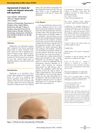
December 2021 in “Dermatology reports” Dupilumab can improve both atopic dermatitis and alopecia universalis.
August 2024 in “Journal of Vaccines Immunology and Immunopathology” A COVID-19 vaccine may trigger severe hair loss in rare cases.
 January 2021 in “Our Dermatology Online”
 Oral tofacitinib successfully treated total body hair loss in one patient.
 8 citations
,
January 2009 in “Journal of pediatric endocrinology & metabolism/Journal of pediatric endocrinology and metabolism”
8 citations
,
January 2009 in “Journal of pediatric endocrinology & metabolism/Journal of pediatric endocrinology and metabolism” A specific thyroid hormone resistance mutation may be linked to different types of hair loss.
 238 citations
,
November 2016 in “Journal of The American Academy of Dermatology”
238 citations
,
November 2016 in “Journal of The American Academy of Dermatology” Tofacitinib is effective and safe for severe hair loss, but full regrowth is less likely after 10 years of hair loss.
 222 citations
,
September 2016 in “JCI insight”
222 citations
,
September 2016 in “JCI insight” Tofacitinib is safe and effective for severe alopecia areata, but hair loss may return 2 months after stopping treatment.
 182 citations
,
December 2017 in “Journal of the American Academy of Dermatology”
182 citations
,
December 2017 in “Journal of the American Academy of Dermatology” Some treatments can help with a hair loss condition called alopecia areata, but none ensure lasting results; choices depend on the person, with JAK inhibitors showing promise for severe cases.
 182 citations
,
October 2003 in “British Journal of Dermatology”
182 citations
,
October 2003 in “British Journal of Dermatology” The 2003 guidelines suggest that while some treatments can regrow hair in alopecia areata, none alter the disease's progression, and wigs may be the best option for extensive hair loss.
 164 citations
,
April 2008 in “Cochrane library”
164 citations
,
April 2008 in “Cochrane library” Current treatments for alopecia show no significant long-term benefits.
 163 citations
,
November 2003 in “Journal of Investigative Dermatology”
163 citations
,
November 2003 in “Journal of Investigative Dermatology” Low iron levels may be linked to some types of hair loss in women.
117 citations
,
February 1996 in “International Journal of Dermatology” A 300 mg monthly pulse of prednisolone effectively and safely treats widespread alopecia areata.
 51 citations
,
December 2011 in “The Journal of Dermatology”
51 citations
,
December 2011 in “The Journal of Dermatology” New treatments for severe hair loss often fail, but some patients see hair regrowth with specific therapies, and treatment should be tailored to the individual's situation.
 45 citations
,
January 2010 in “International journal of trichology”
45 citations
,
January 2010 in “International journal of trichology” Topical immunotherapy, especially with DPCP, is effective for treating severe alopecia areata.
 41 citations
,
September 2018 in “Australasian journal of dermatology”
41 citations
,
September 2018 in “Australasian journal of dermatology” No systemic treatment for alopecia areata has strong evidence of effectiveness.
36 citations
,
July 2007 in “Journal of Investigative Dermatology” Certain HLA class II alleles increase or decrease the risk of alopecia areata.
 19 citations
,
May 2019 in “JAMA dermatology”
19 citations
,
May 2019 in “JAMA dermatology” People with alopecia areata have similar overall death rates as others but higher risks of death from self-harm, psychiatric issues, and lung cancer in certain cases.
17 citations
,
November 2009 in “Dermato-endocrinology” Medium-dose prednisolone pulse therapy is effective and safe for multifocal alopecia areata but not for more severe forms.
 16 citations
,
April 1984 in “Archives of Dermatology”
16 citations
,
April 1984 in “Archives of Dermatology” Topical minoxidil can help hair regrowth in alopecia areata patients, but maintaining the growth after stopping treatment is inconsistent.
 11 citations
,
May 2021 in “Journal of The American Academy of Dermatology”
11 citations
,
May 2021 in “Journal of The American Academy of Dermatology” COVID-19 doesn't make alopecia areata worse.
 9 citations
,
June 2018 in “Scientific Reports”
9 citations
,
June 2018 in “Scientific Reports” People with certain types of alopecia have a slightly higher risk of cancer, especially thyroid, bladder, and prostate cancers.
 6 citations
,
March 2019 in “JAAD case reports”
6 citations
,
March 2019 in “JAAD case reports” A new mix of anthralin and calcipotriene might help treat severe hair loss.
 2 citations
,
August 2020 in “Journal of Cosmetic Dermatology”
2 citations
,
August 2020 in “Journal of Cosmetic Dermatology” Higher granulysin levels in the blood are linked to more severe hair loss in alopecia areata patients, and these levels decrease after effective treatment.
 1 citations
,
December 2013 in “Journal of Evolution of Medical and Dental Sciences”
1 citations
,
December 2013 in “Journal of Evolution of Medical and Dental Sciences” Alopecia areata causes patchy hair loss due to unknown factors, affecting all ages and genders.