July 2013 in “DOAJ (DOAJ: Directory of Open Access Journals)” Minoxidil can effectively treat patchy hair loss by stimulating hair growth.
April 1985 in “Plastic & Reconstructive Surgery” Topical minoxidil can help regrow hair in alopecia areata but is less effective for severe cases.
 238 citations
,
November 2016 in “Journal of The American Academy of Dermatology”
238 citations
,
November 2016 in “Journal of The American Academy of Dermatology” Tofacitinib is effective and safe for severe hair loss, but full regrowth is less likely after 10 years of hair loss.
 184 citations
,
February 2015 in “EBioMedicine”
184 citations
,
February 2015 in “EBioMedicine” A patient with Alopecia Areata had complete hair regrowth after using the drug baricitinib.
 139 citations
,
November 2016 in “Journal of the American Academy of Dermatology”
139 citations
,
November 2016 in “Journal of the American Academy of Dermatology” Tofacitinib helped regrow hair in most adolescents with alopecia areata, but more research is needed.
 108 citations
,
January 2003 in “Fertility and Sterility”
108 citations
,
January 2003 in “Fertility and Sterility” Flutamide may slightly improve hair loss in women, but finasteride does not work.
96 citations
,
December 2015 in “JAMA dermatology” Topical Ruxolitinib may safely treat severe hair loss.
 80 citations
,
October 1983 in “BMJ”
80 citations
,
October 1983 in “BMJ” Minoxidil helps hair regrowth in alopecia patients, with 16 having good results and no side effects.
 71 citations
,
March 2009 in “Seminars in cutaneous medicine and surgery”
71 citations
,
March 2009 in “Seminars in cutaneous medicine and surgery” Alopecia areata can cause unpredictable hair loss, and treatments like corticosteroids and minoxidil may help but have varying side effects.
 66 citations
,
December 2018 in “Dermatology”
66 citations
,
December 2018 in “Dermatology” Both ruxolitinib and tofacitinib are effective and safe for treating severe alopecia areata, but relapses are common.
 52 citations
,
October 2004 in “Veterinary dermatology”
52 citations
,
October 2004 in “Veterinary dermatology” Melatonin and mitotane treatment led to hair re-growth in 62% of dogs with Alopecia X, but this was not always linked to normal hormone levels.
 51 citations
,
June 2016 in “Journal of the European Academy of Dermatology and Venereology”
51 citations
,
June 2016 in “Journal of the European Academy of Dermatology and Venereology” Tofacitinib was effective in treating hair loss in two patients with alopecia universalis.
 43 citations
,
June 2012 in “Lasers in Medical Science”
43 citations
,
June 2012 in “Lasers in Medical Science” Low-level laser treatment helped rats regrow hair faster after chemotherapy.
 41 citations
,
December 2015 in “JAMA Dermatology”
41 citations
,
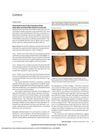
December 2015 in “JAMA Dermatology” Tofacitinib citrate improved nail dystrophy and pain in patients with alopecia universalis without causing side effects.
 40 citations
,
September 2018 in “Journal of the American Academy of Dermatology”
40 citations
,
September 2018 in “Journal of the American Academy of Dermatology” Tofacitinib helped some young children with severe hair loss grow their hair back without bad side effects.
 37 citations
,
October 2017 in “Clinical and Experimental Dermatology”
37 citations
,
October 2017 in “Clinical and Experimental Dermatology” Oral tofacitinib shows promise in treating atopic dermatitis and alopecia areata, but only slight improvement in vitiligo.
 37 citations
,
January 2010 in “International Journal of Trichology”
37 citations
,
January 2010 in “International Journal of Trichology” Bimatoprost helped eyelash growth in nearly half of the patients with a type of eyelash hair loss.
37 citations
,
September 2009 in “JEADV. Journal of the European Academy of Dermatology and Venereology/Journal of the European Academy of Dermatology and Venereology” Diphencyprone (DPC) is an effective and safe long-term treatment for alopecia areata, especially with maintenance therapy.
 36 citations
,
December 2017 in “Journal of the American Academy of Dermatology”
36 citations
,
December 2017 in “Journal of the American Academy of Dermatology” Most patients with frontal fibrosing alopecia stabilized with treatment, especially younger ones, using intralesional corticosteroids and tacrolimus.
 33 citations
,
October 2005 in “PubMed”
33 citations
,
October 2005 in “PubMed” Dutasteride successfully treated a woman's hair loss when other treatments failed.
30 citations
,
June 2017 in “Journal of cutaneous medicine and surgery” Topical ruxolitinib failed to regrow hair in a 66-year-old with alopecia areata.
29 citations
,
December 2019 in “Expert review of clinical pharmacology” JAK inhibitors are a promising new treatment for hair loss and nail problems in alopecia areata.
 28 citations
,
December 2017 in “Journal of Investigative Dermatology Symposium Proceedings”
28 citations
,
December 2017 in “Journal of Investigative Dermatology Symposium Proceedings” Tofacitinib shows promise for treating severe hair loss in adults and teens, with many experiencing regrowth, but hair loss returns when treatment stops.
 27 citations
,
April 2005 in “Journal of Chemotherapy”
27 citations
,
April 2005 in “Journal of Chemotherapy” Some patients may experience temporary total hair loss from hepatitis C treatment with PEG-interferon and ribavirin.
 25 citations
,
September 2014 in “Dermatologic Surgery”
25 citations
,
September 2014 in “Dermatologic Surgery” Hair transplants can effectively treat hair loss from CCCA in African American women if there's no inflammation.
 25 citations
,
January 2006 in “Pharmacoepidemiology and drug safety”
25 citations
,
January 2006 in “Pharmacoepidemiology and drug safety” SSRIs can cause hair loss, especially sertraline, with higher risk in women.
 24 citations
,
October 2018 in “JAAD Case Reports”
24 citations
,
October 2018 in “JAAD Case Reports” A woman's eyelash regrowth was successful using tofacitinib solution for alopecia areata.
 23 citations
,
September 2019 in “Journal of The American Academy of Dermatology”
23 citations
,
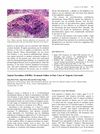
September 2019 in “Journal of The American Academy of Dermatology” Tofacitinib and oral minoxidil together effectively regrow hair in severe alopecia areata patients.
 19 citations
,
September 2002 in “Acta dermato-venereologica”
19 citations
,
September 2002 in “Acta dermato-venereologica” Topical tacrolimus did not regrow hair in alopecia universalis patients.
 19 citations
,
July 1990 in “Cleveland Clinic journal of medicine”
19 citations
,
July 1990 in “Cleveland Clinic journal of medicine” Androgen excess disorders in women were effectively treated with spironolactone, estrogen, and dexamethasone.