1 citations
,
June 2022 in “Zenodo (CERN European Organization for Nuclear Research)” Low-level laser therapy can effectively regrow hair in alopecia areata.
 1 citations
,
January 2021 in “Nihon rinsho hifukaikai zasshi”
1 citations
,
January 2021 in “Nihon rinsho hifukaikai zasshi” The document provides ways to tell alopecia areata from other similar hair loss conditions, using visual checks and specific tests.
1 citations
,
November 1988 in “Veterinary Record” Folic acid helped a calf regrow hair lost due to deficiency.
 July 2026 in “Dermatology Practical & Conceptual”
 Methotrexate via microneedling is more effective than triamcinolone for treating stubborn alopecia areata.
July 2026 in “Scholars Journal of Medical Case Reports” Different scalp conditions can coexist and need separate treatments.
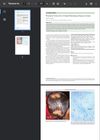
Scalp tinea versicolor can mimic alopecia areata but is treatable with antifungal medication.
 March 2026 in “SHILAP Revista de lepidopterología”
 Rituximab may cause skin issues, but baricitinib can help improve them.
February 2026 in “Australasian Journal of Dermatology” A new tool simplifies alopecia areata severity scoring but needs validation.
 February 2026 in “Ciencia Latina Revista Científica Multidisciplinar”
 Early recognition and thyroid evaluation are crucial for managing diffuse alopecia areata linked to autoimmune thyroid disease.
 August 2025 in “Medical Scope Journal”
 The treatment improved hair growth and reduced scalp symptoms.
 March 2025 in “Dermatologic Surgery”
 Fractional radiofrequency microneedling is as effective and safe as intralesional steroids for treating patchy alopecia areata, with fewer side effects.
 January 2025 in “TURKDERM”
 Alopecia areata incognito in children can be effectively treated with triamcinolone acetonide and supplements, leading to full hair regrowth.
 January 2025 in “Geneesmiddelenbulletin”
 Baricitinib is effective and safe for treating severe alopecia areata with ongoing use.
 January 2025 in “International Journal of Homoeopathic Sciences”
 Homeopathic treatment may help manage alopecia areata effectively.
January 2025 in “African Journal of Biomedical Research” Homeopathy may help treat Alopecia Areata by focusing on the whole person.
 January 2025 in “International Journal of Homoeopathic Sciences”
 Personalized homeopathic treatment may help manage alopecia areata.
 October 2024 in “International Journal of Medical Arts”
 Corticosteroids regrow hair better and faster than pentoxifylline for alopecia areata.
August 2024 in “Journal of Vaccines Immunology and Immunopathology” A COVID-19 vaccine may trigger severe hair loss in rare cases.
July 2024 in “International Journal of Medical Science and Clinical Research Studies” Alopecia Areata Incognita causes sudden hair loss in young females but usually has a better outcome than other types.
 April 2024 in “Journal of cutaneous pathology”
 Skin conditions like seborrheic dermatitis can make it harder to correctly diagnose hair loss because they can cause the oil glands in the skin to shrink.
January 2024 in “Updates in clinical dermatology” JAK inhibitors, PRP, and exosomes show promise for hair regrowth in Alopecia Areata.
October 2023 in “Journal of Pakistan Association of Dermatologists” Alopecia areata shows different signs in children and adults, with gender and severity differences.
 October 2023 in “International journal of science and research”
 Ayurvedic treatments can effectively regrow hair in Alopecia Areata without side effects.
 April 2023 in “Medizinische Genetik”
 New research has found 14 genes linked to the risk of developing alopecia areata, improving understanding and treatment options.
 April 2023 in “Iraqi postgraduate medical journal”
 Microneedling with clobetasol cream works better for hair regrowth in alopecia areata than clobetasol cream alone.
December 2022 in “Zenodo (CERN European Organization for Nuclear Research)” Tofacitinib effectively treated severe alopecia areata in a 14-year-old girl.
 December 2022 in “International Journal of Women's Dermatology”
 The Sinclair Shedding Scale is effective for diagnosing Alopecia Areata Incognita and monitoring treatment success.
January 2022 in “JAAD case reports” Granulomatous alopecia areata is a rare but real form of hair loss.
 October 2020 in “International journal of Ayurvedic medicine”
 Leech therapy and Ayurvedic treatment can effectively regrow hair in recent Alopecia areata cases.
 January 2019 in “Journal of Dermatology and Venereology”
 Sesame and pumpkin seed oil can effectively regrow hair in alopecia areata.