701 citations
,
August 2014 in “Nature medicine” Alopecia areata can be reversed by JAK inhibitors, promoting hair regrowth.
 421 citations
,
April 2012 in “The New England Journal of Medicine”
421 citations
,
April 2012 in “The New England Journal of Medicine” Alopecia Areata is an autoimmune condition causing hair loss with no cure and treatments that often don't work well.
290 citations
,
August 2021 in “Clinical Reviews in Allergy & Immunology” JAK inhibitors show promise for treating alopecia areata, but more research is needed.
 191 citations
,
May 2018 in “British journal of dermatology/British journal of dermatology, Supplement”
191 citations
,
May 2018 in “British journal of dermatology/British journal of dermatology, Supplement” Alopecia areata is likely an autoimmune disease with unclear triggers, involving various immune cells and molecules, and currently has no cure.
 184 citations
,
February 2015 in “EBioMedicine”
184 citations
,
February 2015 in “EBioMedicine” A patient with Alopecia Areata had complete hair regrowth after using the drug baricitinib.
 170 citations
,
December 2009 in “Histopathology”
170 citations
,
December 2009 in “Histopathology” The conclusion is that accurate diagnosis of different types of hair loss requires good teamwork between skin doctors and lab experts.
 164 citations
,
April 2008 in “Cochrane library”
164 citations
,
April 2008 in “Cochrane library” Current treatments for alopecia show no significant long-term benefits.
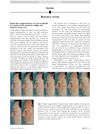 157 citations
,
December 2015 in “Journal of the American Academy of Dermatology”
157 citations
,
December 2015 in “Journal of the American Academy of Dermatology” A man with vitiligo and alopecia saw quick skin and hair improvement with ruxolitinib, but skin color gains were lost after stopping treatment.
134 citations
,
July 2020 in “Experimental dermatology” Hair follicles are normally protected from the immune system, but when this protection fails, it can cause hair loss in alopecia areata.
 131 citations
,
November 1998 in “The journal of investigative dermatology/Journal of investigative dermatology”
131 citations
,
November 1998 in “The journal of investigative dermatology/Journal of investigative dermatology” Skin grafts on mice can cause an immune response leading to hair loss, useful for studying human hair loss conditions.
 122 citations
,
April 1995 in “Journal of Cutaneous Pathology”
122 citations
,
April 1995 in “Journal of Cutaneous Pathology” The document describes how to tell different types of non-scarring hair loss apart by looking at hair and scalp tissue under a microscope.
114 citations
,
August 2002 in “Journal of Investigative Dermatology” Alopecia areata is caused by an immune response, and targeting immune cells might help treat it.
 109 citations
,
May 2011 in “Dermatologic Therapy”
109 citations
,
May 2011 in “Dermatologic Therapy” Alopecia areata is a type of hair loss that can lead to complete baldness, often associated with other autoimmune conditions, and half of the cases may see hair return within a year.
 101 citations
,
January 2012 in “Annals of Dermatology”
101 citations
,
January 2012 in “Annals of Dermatology” Men with hair loss experience lower quality of life, worsened by factors like age, severity, and treatment history.
100 citations
,
October 1986 in “Clinical Endocrinology” Alopecia indicates more severe resistance to 1,25-dihydroxyvitamin D.
 89 citations
,
October 1996 in “Dermatologic Clinics”
89 citations
,
October 1996 in “Dermatologic Clinics” Alopecia areata is likely caused by a combination of genetic factors and immune system dysfunction, and may represent different diseases with various causes.
 87 citations
,
December 2016 in “British journal of dermatology/British journal of dermatology, Supplement”
87 citations
,
December 2016 in “British journal of dermatology/British journal of dermatology, Supplement” Cancer patients treated with immune checkpoint inhibitors may develop alopecia, but some hair regrowth is possible with treatment.
 85 citations
,
October 2012 in “Dermatologic Clinics”
85 citations
,
October 2012 in “Dermatologic Clinics” Alopecia Areata is an autoimmune condition often starting before age 20, with varied treatment success and a need for personalized treatment plans.
 82 citations
,
August 2017 in “Cell Reports”
82 citations
,
August 2017 in “Cell Reports” An imbalanced gut and lack of biotin can cause hair loss in mice.
 82 citations
,
March 2016 in “Autoimmunity reviews”
82 citations
,
March 2016 in “Autoimmunity reviews” Animal models have helped understand hair loss from alopecia areata and find new treatments.
 81 citations
,
July 2011 in “Lasers in Medical Science”
81 citations
,
July 2011 in “Lasers in Medical Science” The Lexington LaserComb helped regrow hair in mice with a condition similar to human hair loss.
 77 citations
,
March 2001 in “Clinics in Dermatology”
77 citations
,
March 2001 in “Clinics in Dermatology” Androgenetic alopecia involves genetics, hormones, and can be treated with medications or surgery.
 72 citations
,
February 2011 in “The American Journal of Dermatopathology”
72 citations
,
February 2011 in “The American Journal of Dermatopathology” Anti-TNF therapy can cause a unique type of hair loss that may get better with topical treatments without stopping the therapy.
 70 citations
,
February 2015 in “Expert Opinion on Drug Discovery”
70 citations
,
February 2015 in “Expert Opinion on Drug Discovery” Topical drugs and near-infrared light therapy show potential for treating alopecia.
69 citations
,
February 2008 in “The American journal of pathology” Controlled delivery of specific RNA and IL-4 restored hair growth in mice with autoimmune alopecia.
 68 citations
,
May 2016 in “Experimental dermatology”
68 citations
,
May 2016 in “Experimental dermatology” FFA's causes may include environmental triggers and genetic factors.
 67 citations
,
August 2007 in “American Journal of Pathology”
67 citations
,
August 2007 in “American Journal of Pathology” Overexpressing the mineralocorticoid receptor in mouse skin causes skin thinning, early skin barrier development, eye issues, and hair loss.
 65 citations
,
November 2016 in “Journal of The American Academy of Dermatology”
65 citations
,
November 2016 in “Journal of The American Academy of Dermatology” The document concludes that early recognition and treatment of primary cicatricial alopecia is crucial to prevent permanent hair loss.
 64 citations
,
July 2016 in “Journal of Immunology”
64 citations
,
July 2016 in “Journal of Immunology” Blocking the CXCR3 receptor reduces T cell accumulation in the skin and prevents hair loss in mice.
 61 citations
,
September 2010 in “Genomics”
61 citations
,
September 2010 in “Genomics” The study found that immune responses disrupt hair growth cycles, causing hair loss in alopecia areata.